dailynewsnblog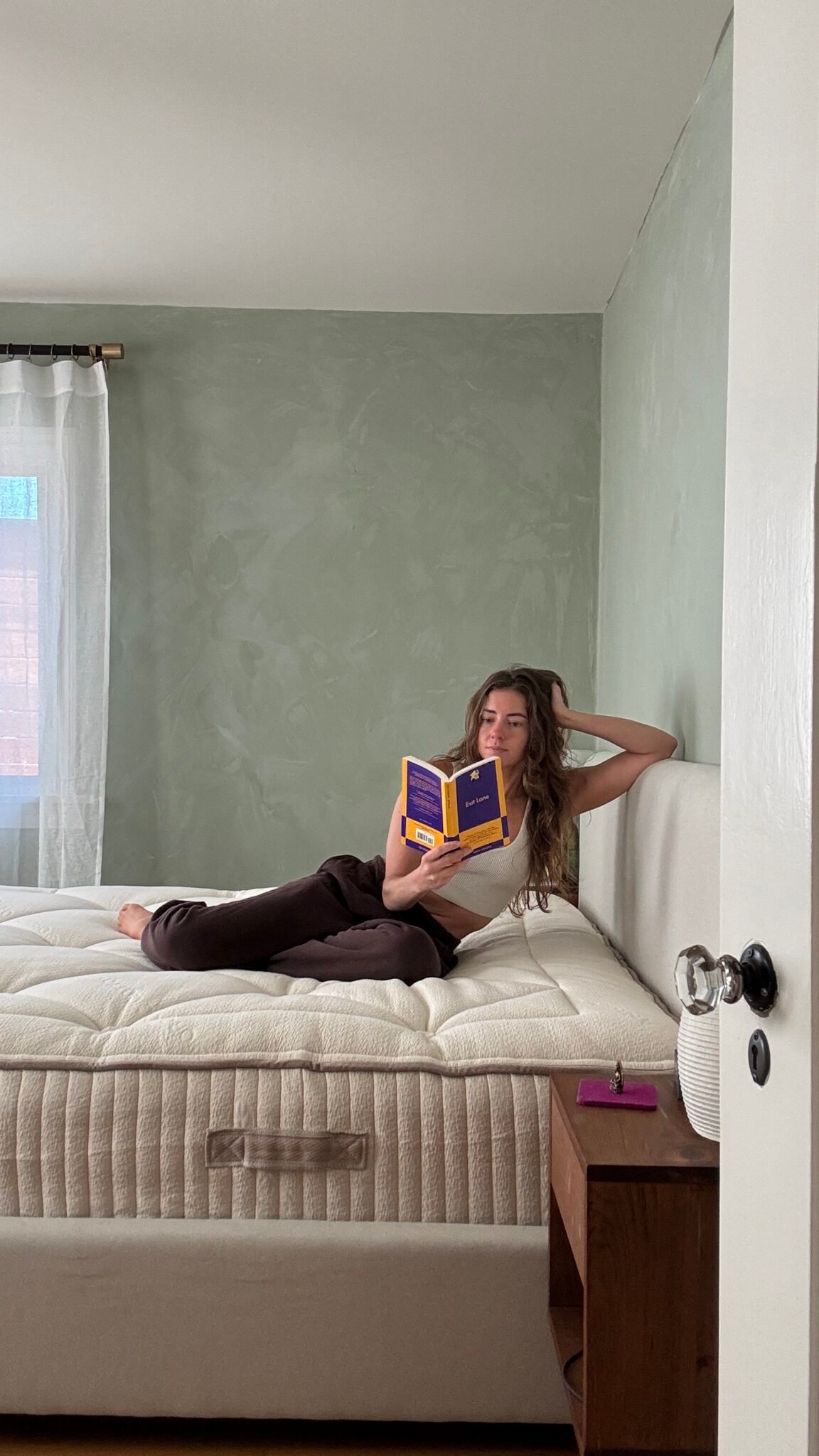
We’re quite passionate about good sleep here at The Good Trade.
Between all of our editors, we’ve tested hundreds of sleep products — from mattresses, toppers, and pillows to sheets and comforters — all in the name of uncovering the best products that are also made ethically and with the most sustainable materials. We’ve also researched rest and how to get better sleep by consulting doctors and other experts in the field.
Finding what works is always a balance — especially when you throw in price considerations — so how do you know what to actually pay attention to?
“Finding what works is always a balance — especially when you throw in price considerations — so how do you know what to actually pay attention to?”
We get closer to bedding than practically any other product in our home, and for (hopefully) eight hours of the day, every day. That’s why if we had to prioritize one clean, organic product in our homes, it would be our mattress.
Mattresses are notoriously “dirty.” The polyurethane foams and glues used to make conventional mattresses release VOCs, or volatile organic compounds — that’s that chemical smell you get when you first open a new mattress (or anything with polyurethane). Prolonged exposure to high volumes of these compounds can cause skin and lung issues, like respiratory irritation or asthma, along with vascular issues. VOCs are also not great for the environment — while these compounds are naturally occurring in the environment, man-made VOCs are being produced in dangerously high concentrations because of human manufacturing.
“Man-made VOCs are being produced in dangerously high concentrations because of human manufacturing.”
Conventional mattresses are also made with potentially harmful flame retardants (although this is being phased out in many states) that can cause reproductive and nervous system issues. A 2025 study showed elevated VOCs, phthalates, and flame retardant levels in babies’ and children’s mattresses, specifically.
That’s why we prioritize shopping for mattresses made of organic and natural materials like latex, wool, and cotton, and that, especially when made with some synthetic materials like foams, have been rigorously tested by a third party to ensure safe levels of potentially harmful chemicals.
Between tons of third-party certifications with confusing acronyms and terms like “organic,” “natural,” and “nontoxic,” it can feel like the Wild West when shopping for a “clean” mattress. So we tapped Mark Abrials, the CMO of Avocado Green Mattress, to help us make sense of all the noise — which certifications matter the most in terms of toxicity, which aren’t as important, and other considerations to have in mind when shopping for your next organic mattress.
Not all third-party certifications are created equal. And something crucial to know about mattress certifications is this: No one certification is a silver bullet for a totally safe, nontoxic mattress. Each one certifies something different — whether it’s the use of pesticides, VOC emissions, heavy metals, or known endocrine disruptors. As a rule of thumb, the most important third-party certifications when it comes to mattresses are GOTS, MADE SAFE®, OEKO-TEX® Standard 100, EWG Verified®, and Greenguard Gold.
“Not all third-party certifications are created equal.”
“Start with GOTS,” when mattress shopping, says Abrials. “It’s the only certification that verifies a finished mattress is organic, not just its materials.” Read on for more details about each certification, along with a few others to keep an eye open for.
GOTS
An acronym for Global Organic Textile Standard, GOTS is the only certification that ensures a finished mattress is organic — including the latex, cotton, and wool inside it. To be GOTS certified, a product must prove that 95% or more of its natural fiber content is certified organic. GOTS is used for all sorts of textile products beyond mattresses, like clothing, bedding, yarn, and personal hygiene goods.
“GOTS is the only certification that ensures a finished mattress is organic — including the latex, cotton, and wool inside it.”
The word “organic” typically only refers to how a material was farmed — namely, that it was farmed without certain harmful pesticides and chemicals. But GOTS looks at the whole supply chain. It also ensures that a textile doesn’t use unsafe dyes like chlorine bleach, that a company treats its wastewater rather than dumping dye runoff into local waterways, and that all workers are paid fair wages. Audits are conducted annually, and all certified mattress brands are publicly listed in the GOTS database at global-standard.org. When evaluating a brand, look for a GOTS logo and license number.
MADE SAFE
A MADE SAFE certification shows that a product has been screened for ingredients known or suspected to harm human health or the environment.
“A MADE SAFE certification shows that a product has been screened for ingredients known or suspected to harm human health or the environment.”
To earn the seal, companies must fully disclose ingredients and pass a rigorous review that checks against thousands of banned or restricted substances, including carcinogens, endocrine disruptors, toxic flame retardants and solvents, parabens, phthalates, heavy metals, bisphenols, and other toxic chemicals.
Not only does MADE SAFE protect human health, but it also addresses ingredients that can be harmful to the environment (plant, animal, and aquatic life). It covers substances that GOTS and OEKO-TEX don’t explicitly test for — an example of these heavy-hitting certifications working together.
OEKO-TEX Standard 100
OEKO-TEX Standard 100 tests finished textile products against 350+ parameters covering harmful substances. It’s different from other certifications because it specifically tests for the concentrations, not just the presence, of substances including formaldehyde, carcinogenic aromatic amines from azo dyes, and PFAS.
“It specifically tests for the concentrations, not just the presence, of substances.”
OEKO-TEX certifies at the product level across four classes, with Class I being the most stringent — designed specifically for products used by babies and toddlers. This means a brand as a whole can’t be OEKO-TEX certified; every individual product must qualify on its own.
EWG Verified
EWG Verified ensures that all ingredients in a product are disclosed and screened against EWG’s health standards.
“The organization is run by scientists and policymakers and is aimed at arming consumers with knowledge before they make purchasing decisions.”
The Environmental Working Group, or EWG, is a resource we love to use when it comes to cosmetic products since the organization is run by scientists and policymakers and is aimed at arming consumers with knowledge before they make purchasing decisions.
This label means that a finished product meets EWG’s own list of “chemicals of concern” based on their own research. The label also requires all ingredient lists and findings be publicly available.
GREENGUARD Gold
GREENGUARD tests for emissions, specifically. This means it targets VOCs, formaldehyde, total aldehydes, and other airborne compounds — and its level limits are specific to bedrooms and living spaces, making them pretty strict. This helps ensure the safety of the air inside your home — which, because of cleaning supplies, cosmetics, offgassing from furniture, and other household products, can have ten times the amount of VOCs as outside air.
“GREENGUARD tests for emissions, specifically.”
GREENGUARD Gold is a step above GREENGUARD, with even lower VOC concentration limits, making it ideal for products going in the bedroom.
CertiPUR-US
CertiPUR-US is a certification for polyurethane foam. It ensures that this synthetic foam used in mattresses and furniture (where it’s super close to us) is free from toxic chemicals like formaldehyde, phthalates, heavy metals, and certain flame retardants, and that it has low VOC emissions.
“CertiPUR-US is a certification for polyurethane foam.”
“I have a clear preference for organic, natural materials,” says Abrials, like latex, cotton, and wool. Avocado doesn’t use polyurethane foam in its products, but if you’re buying a product that does, he says you should look for CertiPUR-US certification.
Other certifications to look for
While the above certifications are the ones you should prioritize, there are plenty of others you’ll notice when mattress shopping. B-Corp certified companies meet the highest standards across the board, from their impact on the environment to how it treats workers and communities. While this doesn’t certify the mattress itself, it certifies the company as having super ethical business practices. UL® Formaldehyde-Free verification independently confirms that a finished product contains no added formaldehyde or formaldehyde precursors, which is meaningful for a product you have such an intimate relationship with, breathing in whatever it is made of. Fair Trade Certified products protect the livelihood of producing parties like farmers and make sure they’re fairly compensated.
How to shop for a latex mattress
Made from the sap of rubber trees, latex is one of our favorite mattress, pillow, and topper materials. Latex is a renewable, plant-based material that retains its shape well over time so it’ll last — unlike synthetic pillows that can go flat after a year.
“Latex is a renewable, plant-based material that retains its shape well over time.”
Note that the word “latex” and even “natural latex” are unregulated and can refer to synthetic or actually natural latex alike. When referring to a latex mattress, it could be made entirely of latex or use just a thin layer above a foam or coil core. Latex isn’t cheap, so a low price point is your first clue that a mattress uses primarily synthetic foam with a little latex. When in doubt, ask a brand your questions directly!
Note that the most luxe mattresses on the market today typically contain some combination of latex, natural textiles like cotton and wool, and a core of individually wrapped coils, like Avocado’s Luxury Organic Mattress. Whether you’re choosing a latex/synthetic hybrid mattress, a solid latex mattress, or a mattress with coils, latex, and other natural materials like wool, it’s all about your budget and the type of support you’re looking for.
“Note that the most luxe mattresses on the market today typically contain some combination of latex, natural textiles like cotton and wool, and a core of individually wrapped coils.”
Global Organic Latex Standard, or GOLS, certification can help you verify that a mattress’s latex is organic, but it’s not our favorite third-party certification. “Look for GOLS, but only alongside a GOTS certification,” says Abrials, since only GOTS certifies the finished mattress. GOLS certifies the latex itself, but a company can purchase a bit of GOLS latex and then use conventional latex in most of its products while claiming they’re all GOLS-certified. Without a GOTS verification, “there’s no way to confirm the organic latex you’re paying a premium for actually ended up in your mattress,” says Abrials.
“Natural” vs. “organic” vs. “nontoxic”
“Natural” is not a regulated term, so any brand can claim its products are natural. Always dig deeper when you see this word to determine what the product is actually made of and if it aligns with what you’re looking for. We use the word to mean natural materials — latex, cotton, silk, wool, and other naturally derived, non-synthetic (plastic-derived) materials. But exercise caution when you hear “natural” from a brand.
“‘Natural’ is not a regulated term, so any brand can claim its products are natural.”
“Latex, wool, and cotton are natural and renewable,” explains Abrials. “Natural materials aren’t just a philosophical preference—they tend to be more durable, more breathable, with a more natural feel.”
“Organic” is a regulated term, and means that a product is certified organic from a leading third party. For food, this is USDA. And for mattresses and other textile products, the Global Organic Textile Standard (GOTS) has rigorous criteria to ensure a finished product is made with 95% certified organic natural fibers.
“Nontoxic” is also unregulated, but a nontoxic claim usually refers to a product’s third-party testing. If it meets standards like MADE SAFE or OEKO-TEX, that claim is credible. The product has been screened against their rigorous safety standards for potentially harmful substances.
“A nontoxic claim usually refers to a product’s third-party testing.”
All three of these terms work together—the safest mattress that’s the best for the environment is simultaneously natural, organic, and nontoxic.
Other considerations to take when shopping for a mattress? After all, a new mattress is a huge investment — both financially and for your health, especially if you’re looking for organic and nontoxic.
“Look for brands that are genuinely transparent — about where they manufacture, how they source materials, and how they treat the people in their supply chain,” explains Abrials. Some of the above certifications are a fantastic starting point for this, but they’re not the be-all and end-all.
“Look for brands that are genuinely transparent — about where they manufacture, how they source materials, and how they treat the people in their supply chain.”
– Mark Abrials, CMO Avocado Green Brands
“Do they publish an impact report? Support environmental causes? Commit to fair wages?” says Abrials. “The brands worth supporting are the ones willing to be held accountable.”
THIS STORY IS IN PARTNERSHIP WITH OUR FRIENDS AT AVOCADO
Natalie Gale is a Boston-based freelance journalist. Since 2022, she has been reviewing the top sustainable home, wellness, fashion, and beauty products, sharing her honest opinion on the best finds. When she’s not writing about art, food, or sustainability, you can find her biking to the farmers’ market, baking, sewing, or planning her next Halloween costume. Say hi on Instagram!