dailynewsnblog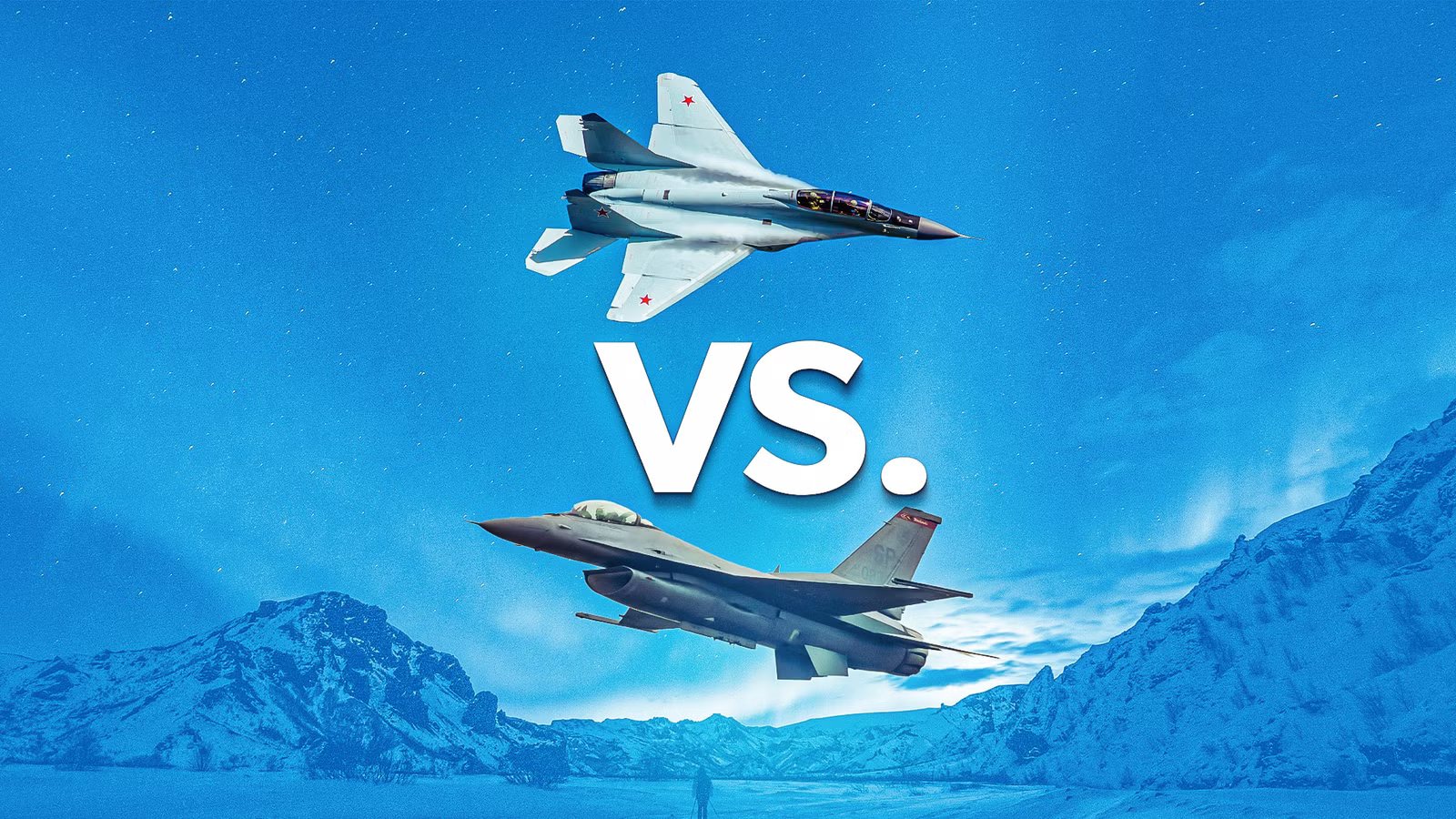
The F-16 Fighting Falcon and the MiG-35 Fulcrum-F are both mature approaches to the modern multirole fighter, but they differ significantly in their design. Each can reach about twice the speed of sound, and both were conceived to fill air-to-air and air-to-ground roles. The designers chose different trade-offs in terms of performance that become clear when one looks at configuration, weapons, and the obvious contrast of single versus twin-engine jets.
In all likelihood, the outcome of a battlefield engagement would likely depend on the conditions and pilot skill more so than the technical points. All things being equal, however, the Lockheed Martin F-16 has a great equalizer in the form of more advanced weapons systems, datalink, and beyond visual range missiles that it has been granted through upgrade cycles over the years. Given the F-16’s proven battlefield results, serving 29 nations around the globe in battle, the analysis favors the Viper.
A Close Comparison On Paper

In performance and survivability, the MiG-35 has an edge thanks to a two-engine design, giving it abundant thrust and redundancy should one engine be damaged. True to its Soviet-era predecessor, the MiG-29, its airframe is stronger than most fighters. It is tolerant of rough runways and fitted with larger internal fuel tanks than the original Fulcrum, so it can stay on patrol farther and longer than earlier designs.
The F-16, by contrast, was made to be as light and agile as possible from the very outset by a group known as the ‘Fighter Mafia’ within the US Air Force. A single high-power engine and aggressive aerodynamics are complemented by a digital fly-by-wire system that moves the plane with very little pilot effort. The American aircraft is lighter and fuel-efficient, so it can still patrol for extended periods without external tanks.
The F-16 replies with superb outward visibility from its bubble canopy and flight controls that let the pilot sustain high-G turns with fine precision, making it easier to keep a radar or missile lock while maneuvering. It does lack the raw power that two engines provide when making hard maneuvers.
At longer ranges, the edge shifts to whichever aircraft detects its opponent first. Late-model F-16s carry advanced AESA radars paired with combat-proven AIM-120 missiles. The MiG-35 can wield the Zhuk-A radar and R-77 series missiles, which are competitive on paper but far less tested in real use.

Explained: The 6 Generations Of Fighter Jets
There are six generally accepted generations of fighter jets, with each leap frogging the previous generation.
The Tip Of The Spear

Armament reflects the different histories behind the two jets. Decades of steady upgrades have left the F-16 compatible with almost every modern Western missile or precision bomb, and those weapons are fully wired into the aircraft’s computers and the pilot’s helmet sight. Operators, therefore, enjoy predictable upgrade paths and can share the same munitions stockpiles with allied air forces.
The MiG-35, by contrast, carries a large 30-millimeter cannon and the latest Russian infrared and radar-guided missiles, along with anti-ship and laser-guided weapons. Its avionics were built on an open software design so foreign buyers could add their own ordnance, but doing so usually demands extra time and money.
Both fighters now field electronically scanned radars and modern short-range missiles that can engage a target well off the nose. However, far more F-16s have flown real combat missions with this equipment, so their performance is better documented.
The Difference Behind The Lines

Production numbers sharpen the contrast. More than 4,600 F-16s have rolled off the line, and roughly twenty-five countries still operate them, creating a vast supply chain, standardized training programs, and an active aftermarket for spares and upgrades. The MiG-35, however, was introduced in the last decade, so it exists only in a small batch. Russia has only deployed a limited number, and export discussions with nations such as Egypt and India have yet to turn into concrete orders.
A small fleet is not inherently flawed, but it drives up unit cost and complicates long-term maintenance. The F-16, in contrast, took off on a fast start, with four NATO countries agreeing to a consortium with the United States to construct the F-16. Belgium, Denmark, the Netherlands, and Norway produced different components of the F-16s and hosted final assembly lines as well. That momentum has never really slowed down.
The aircraft was produced by the European Participation Air Forces and made around 350 jets in total before the program ended. The last NATO assembly lines to shutter were in the Netherlands and Belgium, but US production continues to this day. Until the recent introduction of the Lockheed Martin F-35 Lightning II, it has been retained for decades by almost every operator that initially procured it.

Eight 4.5-Generation Fighter Jets Produced Worldwide
A selection of the some of the most advanced fighter jets in the world.
A Timeless Warbird

According to Lockheed Martin, the US Air Force invested billions of dollars on the Post Block Integration Team to upgrade its F-16 aircraft. The effort sought to improve the aircraft’s overall effectiveness, lethality, and survivability by integrating state-of-the-art technology and addressing obsolescence issues. The 2022 contract, worth $6.3 billion, included more than 600 F-16s. A new wave of freshly upgraded F-16s was delivered to Osan Air Base in South Korea on June 26, 2025, when one of the pilots said:
“F-16s are one of the only multi-role fighters. They can do everything. They’re incredibly lightweight and quick, and when you upgrade the F-16s, they’re able to do so many missions, such as providing close air support like the A-10 or suppressing enemy air defense missions.”
In terms of tracking, targeting, and detection, the APG-83 active electronically scanned array radar has enhanced capabilities. Modernized cockpit displays make it easier for pilots to receive battle data, while the Electronic Warfare Suite enhances self-defense and the aircraft’s ability to repel enemy attacks.
The Sniper Advanced targeting Pod provides the highest-resolution images of any system to date for precise targeting and laser identification. Helmet-mounted cueing devices also enhance performance and situational awareness. All of these upgrades combined to make the Viper more dangerous than ever before. Lockheed Martin is also in talks with buyers like India and its proposed F-21 (joint production variant) to take the F-16 to an even higher level.
The Fulcrum-F Story

The MiG-35 is Russia’s latest version of the famous MiG-29 family, re-imagined for the twenty-first century. From the outside, it still looks like the agile Fulcrum that first debuted in the 1980s, but almost everything inside has been modernized. The airframe has been stretched slightly and remade with more composite materials, and it is even better concealed from radar than its predecessor.
Two RD-33MK engines give it the same incredible maneuverability the Fulcrum name is known for. These new engines are smokeless and make more thrust with digital controls that let the aircraft pull tight turns and accelerate to Mach 2 without burning fuel as quickly as the first model did.
Its new radar has an electronically steered antenna that lets the jet track many targets at once, whether they are high-flying fighters or vehicles on the ground. Coupled with an optical sensor in the nose and a helmet sight that follows where the pilot looks, the MiG-35 can launch missiles simply by pointing its nose or even sideways.
It still carries the familiar cannon for close-in engagements, but the real punch comes from a flexible set of underwing pylons and a magazine of weapons. This features everything from heat-seeking and radar-guided air-to-air missiles to laser-guided bombs for precision strikes, anti-ship missiles for maritime patrols, and even rockets or unguided bombs. The onboard computer was supposedly built around an open architecture for foreign customers to plug in their own weapons or electronics on export models.

Top 5: The World’s Most Advanced Fighter Jets
The US arguably has the most capable fighter jets, with China, Europe, and Russia also boasting advanced fighters.
Inside The New Fulcrum

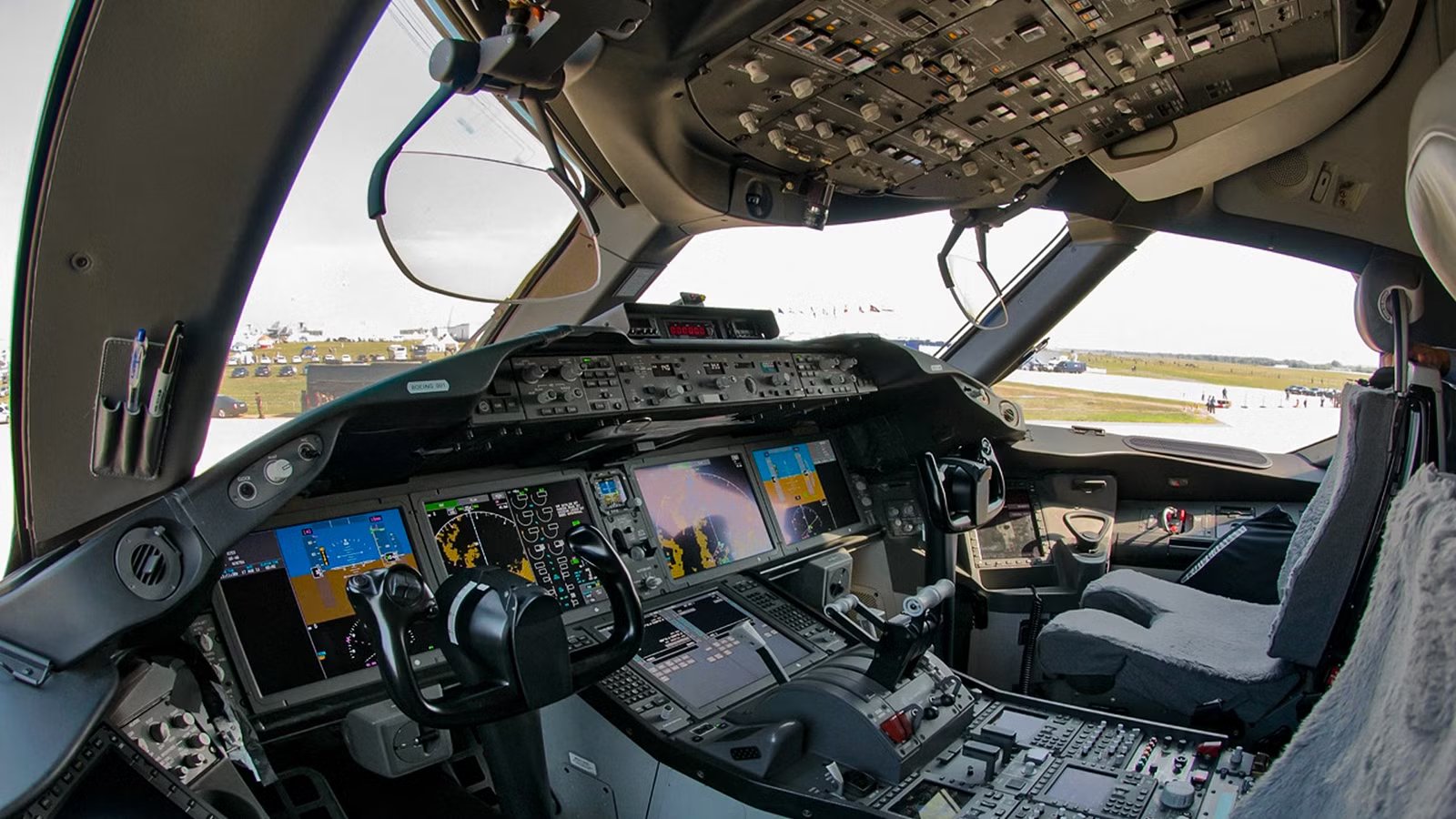
Inside the cockpit, the analog dials of the Cold-War era are gone, replaced by large digital screens that resemble a modern airliner more than a 1980s fighter. A new stick and throttle keep critical switches at the pilot’s fingertips, reducing workload during high-G maneuvers. Maintenance crews also get major upgrades: the engines can be swapped out quickly, built-in diagnostics reveal faults before they become failures, and the jet can operate from austere airstrips.
All in all, the new Fulcrum-F echoes the original MiG-29’s front-line concept, but with far less downtime. Despite these technical advances, the MiG-35 has not rolled off production lines in large numbers. Russia only ordered a small initial batch for evaluation and demonstration. The manufacturer, the Mikoyan design bureau, offers the aircraft mainly for export now. India, Egypt, and several other nations have considered it as an affordable alternative to Western fighters, though no sales have manifested to date.
Still, for air forces that want a comparatively low-cost, high-performance aircraft able to handle air superiority, ground attack, and even light naval duties, the MiG-35 represents Mikoyan’s argument that there is life left in the classic Fulcrum design. This is especially pertinent now that it has been thoroughly updated for contemporary warfare without the eye-watering price tag of a fifth-generation stealth jet.