dailynewsnblog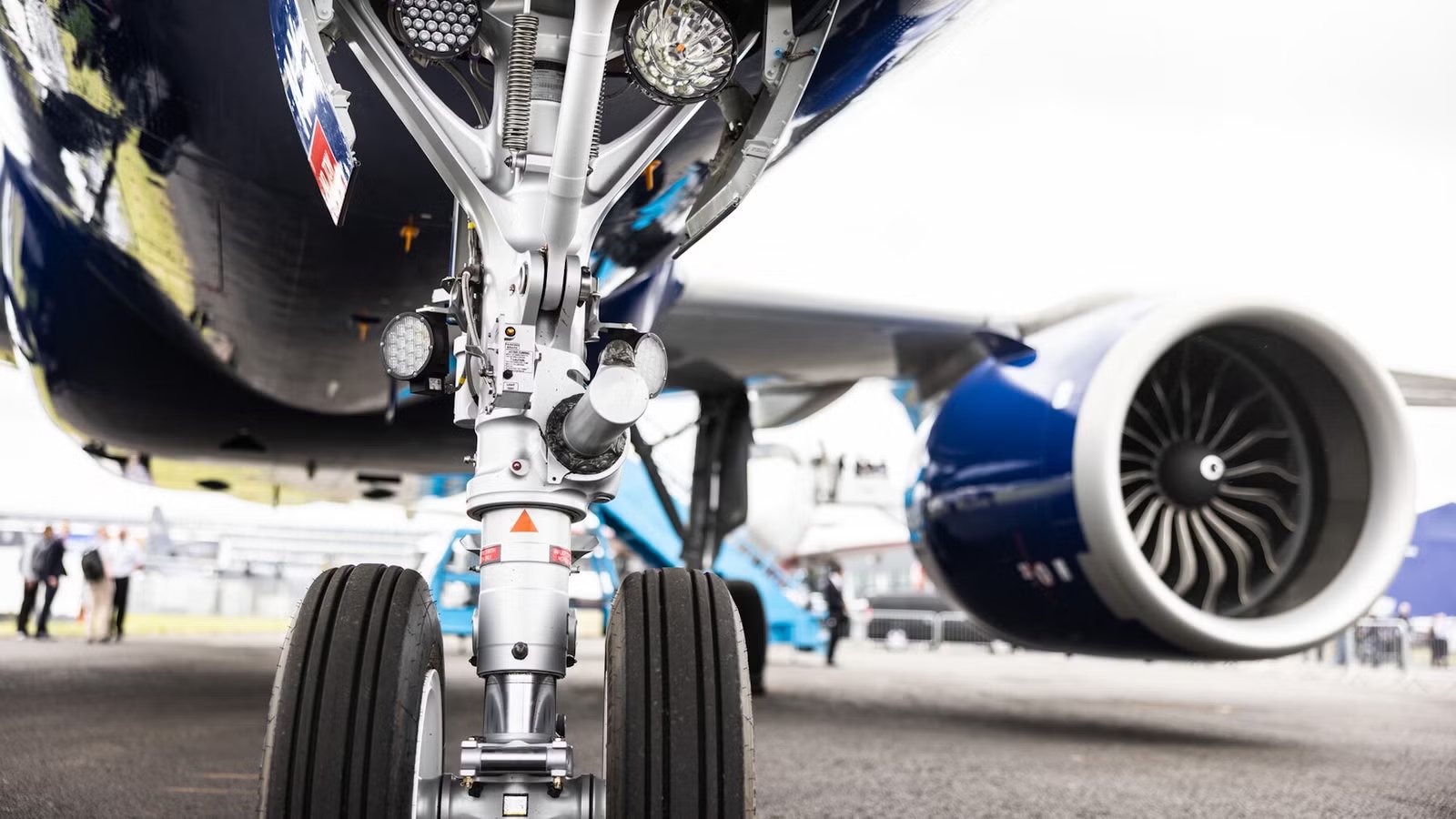
Safran is prepared to invest around $330 million (around 280 million Euros) to build a massive landing-gear plant in the Casablanca airport zone, deepening Morocco’s role in Airbus’ narrowbody supply chain. The site will machine and assemble landing-gear components and modules, as well as produce dedicated hydraulic equipment. Operations are set to begin in 2029, when approximately 500 full-time staff members will be hired.
For Airbus, this is a project that targets a stubborn and omnipresent ramp-up constraint, as the company has struggled to efficiently get the amount of high-precision equipment needed to match the Airbus A320 family’s final-assembly temp. For Safran, it is a capacity-and-resilience bet that complements its earlier plans in Morocco around LEAP engine assembly and maintenance, repair, and overhaul over longer periods.
A Project That Could Bring A Lot To The Table

Safran describes the Morocco project as a modern and highly-efficient manufacturing operation built primarily to support the Airbus A320’s ramp-up, and the layout matters just as much as the investment itself. Rather than a single-purpose shop, the facility combines two capabilities under one roof. The facility manufactures landing-gear components and modules, and it produces dedicated hydraulic equipment used across landing systems.
That integration can cut handoffs, shorten queues, and improve schedule reliability versus a supply chain split across multiple sites. The plant will sit in the Casablanca airport zone, inside a new aerospace cluster. Safran says that it will run on decarbonized electricity under a 2025 agreement that was made with Morocco. A new training program is intended to build the machining and assembly skills that the line requires.
What Does This Mean For The Airbus A320 Program

For the Airbus A320 program, the key takeaway here is that Airbus’ production problem is no longer how many airplanes the final assembly line can build but rather how many complete component sets the supply chain can deliver in a reasonable amount of time. Thus, supply chain issues are increasingly becoming the core bottleneck holding back the program’s growth. Airbus undoubtedly has ambitious plans to continue growing, and increased A320 family output is a key piece of this.
Airbus’ ramp plans on reaching a capability of 75 Airbus A320-family jets per month in 2027, a rate that requires every major supplier to add capacity and reduce disruption. A dedicated landing-systems site gives Airbus more headroom in one of the highest-precision, longest-lead subassemblies on the aircraft. It also adds geographic redundancy in a cheaper labor market versus concentrating critical work in a handful of European plants.
The catch here is that Safran’s new facility is scheduled to begin operation in 2029, so it will not fix near-term bottlenecks on its own. However, it should eventually help stabilize Airbus’ higher delivery rates, improve step-up capabilities, and support the next generation of short- and medium-haul aircraft that will ultimately succeed the Airbus A320 in the market, as one would expect for this specific facility. Morocco is also a cheaper labor market, reducing the overall cost base for the plant.

A Look At How Many Planes Airbus Builds Yearly
Explore the challenges and triumphs of Airbus’ global manufacturing empire.
Another Growth Engine For Safran

As for Safran, the investment case is a classic move to expand its industrial footprint. The manufacturer is looking to expand capacity where labor is available, costs are competitive, and logistics keep it close to customer assembly lines. According to documents from the manufacturer, this site expansion is mostly a resilience play that improves agility and competitiveness while meeting Airbus’s expectations. Morocco also serves as a strong base for the company.
The group says that it has operated in the country for 26 years, and that it currently employs around 5,000 people there, alongside securing access to decarbonized electricity through a 2025 agreement. Strategically, the landing-gear plant also rounds out a broader build-out across Morocco.
Starting in October 2025, Safran laid out plans for a LEAP-1A engine assembly line, which was targeted for service entry in 2028, alongside a separate maintenance facility, which was targeted for 2027. This creates a cluster that can share suppliers, training pipelines, and political goodwill. Over time, that scale can reduce single-site risk and improve delivery performance across the manufacturer’s Airbus-facing businesses.