dailynewsnblog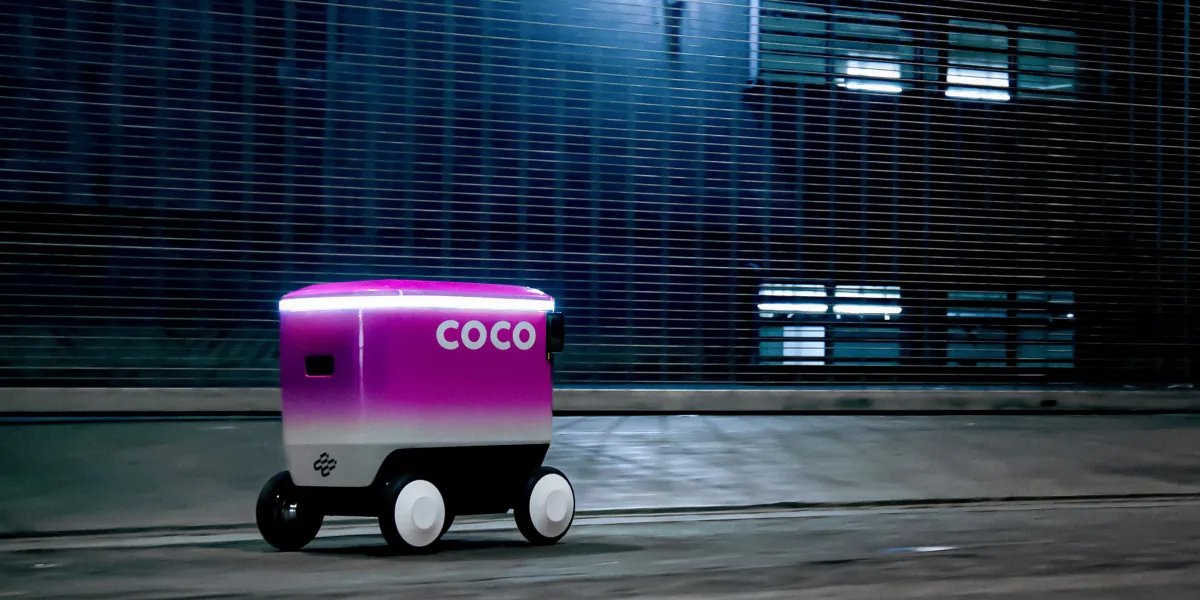
“Visual positioning is not a very new technology,” says Konrad Wenzel at ESRI, a company that develops digital mapping and geospatial analysis software. “But it’s obvious that the more cameras we have out there, the better it becomes.”
Niantic Spatial has trained its model on 30 billion images captured in urban environments. In particular, the images are clustered around hot spots—places that served as important locations in Niantic’s games that players were encouraged to visit, such as Pokémon battle arenas. “We had a million-plus locations around the world where we can locate you precisely,” says McClendon. “We know where you’re standing within several centimeters of accuracy and, most importantly, where you’re looking.”
The upshot is that for each of those million locations, Niantic Spatial has many thousands of images taken in more or less the same place but from different angles, at different times of day, and in different weather conditions. Each of those images comes with detailed metadata that pinpoints where in space the phone was at the time it captured the image, including which way the phone was facing, which way up it was, whether or not it was moving, how fast and in which direction, and more.
The firm has used this data set to train a model to predict exactly where it is by taking into account what it is looking at—even for locations other than those million hot spots, where good sources of image and location data are scarcer.
In addition to GPS, Coco’s robots, which are fitted with four cameras, will now use this model to try to figure out where they are and where they are headed. The robots’ cameras are hip-height and point in all directions at once, so their viewpoint is a little different from a Pokémon Go player’s, but adapting the data was straightforward, says Rash.
Rival companies use visual positioning systems too. For example, Starship Technologies, a robot delivery firm founded in Estonia in 2014, says its robots use their sensors to build a 3D map of their surroundings, plotting the edges of buildings and the position of streetlights.
But Rash is betting that Niantic Spatial’s tech will give Coco an edge. He claims it will allow his robots to position themselves in the correct pickup spots outside restaurants, making sure they don’t get in anybody’s way, and stop just outside the customer’s door instead of a few steps away, which might have happened in the past.
A Cambrian explosion in robotics
When Niantic Spatial started work on its visual positioning system, the idea was to apply it to augmented reality, says Hanke. “If you are wearing AR glasses and you want the world to lock in to where you’re looking, then you need some method for doing that,” he says. “But now we’re seeing a Cambrian explosion in robotics.”