dailynewsnblog
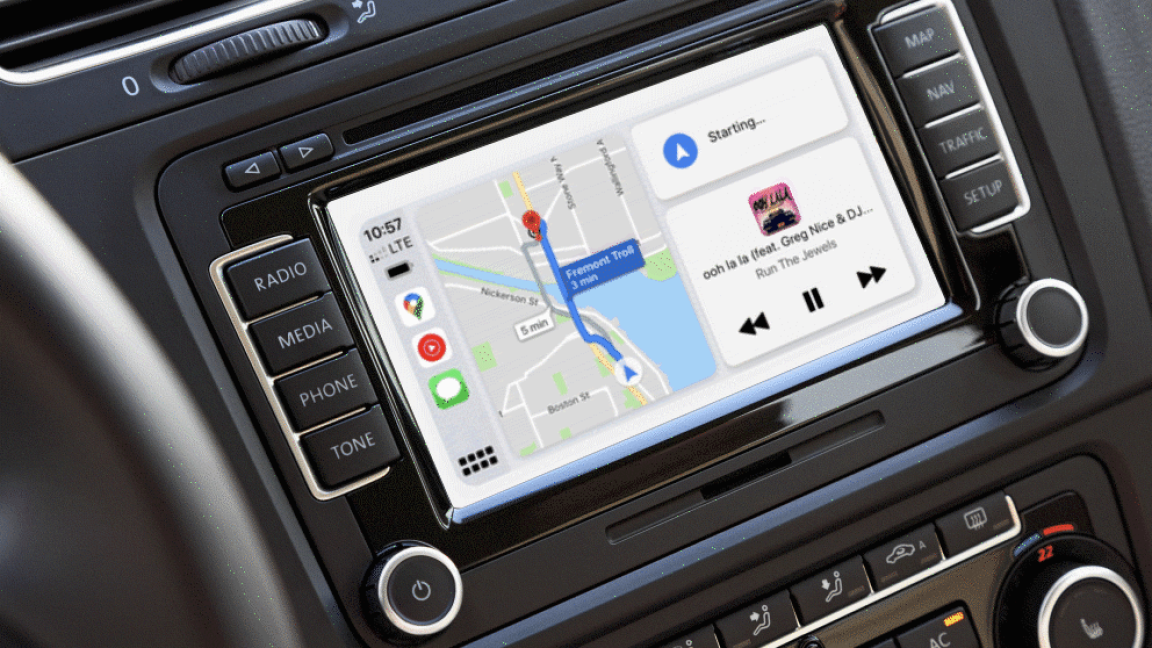
We live in a digitally connected world that has brought undeniable personal benefits. I can barely recall the pre-Google Maps era, but it was far less convenient to navigate unfamiliar places without a Siri-enabled smart phone (and/or Apple Car Play). We use fitness tracking apps, our home appliances are increasingly digitally connected, and many homes have security systems like Nest cameras or home assistants like Alexa or Amazon Echo. But what are we giving up for all this digital convenience? We are creating a huge amount of private personal data on a daily basis and yet, legally, it’s unclear when and how that data can be turned against us by law enforcement and the judicial system.
George Washington University law professor Andrew Guthrie Ferguson tackles that knotty question in his new book, Your Data Will Be Used Against You: Policing in the Age of Self-Surveillance. Ferguson is an expert on the emergence of new surveillance technologies, policing, and criminal justice. His 2018 book, The Rise of Big Data Policing, covered the first real experiments with data-driven policing, predictive policing, and what were then new forms of camera surveillance. For this latest work, Ferguson wanted to focus specifically on what he calls self-surveillance: how the data we create potentially exposes us to incrimination, because there are so few laws in place to regulate how police and prosecutors can access and use that data.
“I liken this sort of police-driven self-surveillance to democratically mediated self-surveillance,” Ferguson told Ars. “It’s still self-surveillance with our tax dollars and everything else, but we are also creating nets of smart devices and surveillance devices in our homes, in our cars, in our worlds. And I don’t think we’ve really processed how all of that information is available as evidence and can be used against us for good or bad, depending on the sort of political wins and whims of who’s in charge. We’re seeing today how that vulnerability can be weaponized by a government that wants to use it.”
Read full article
Comments