dailynewsnblog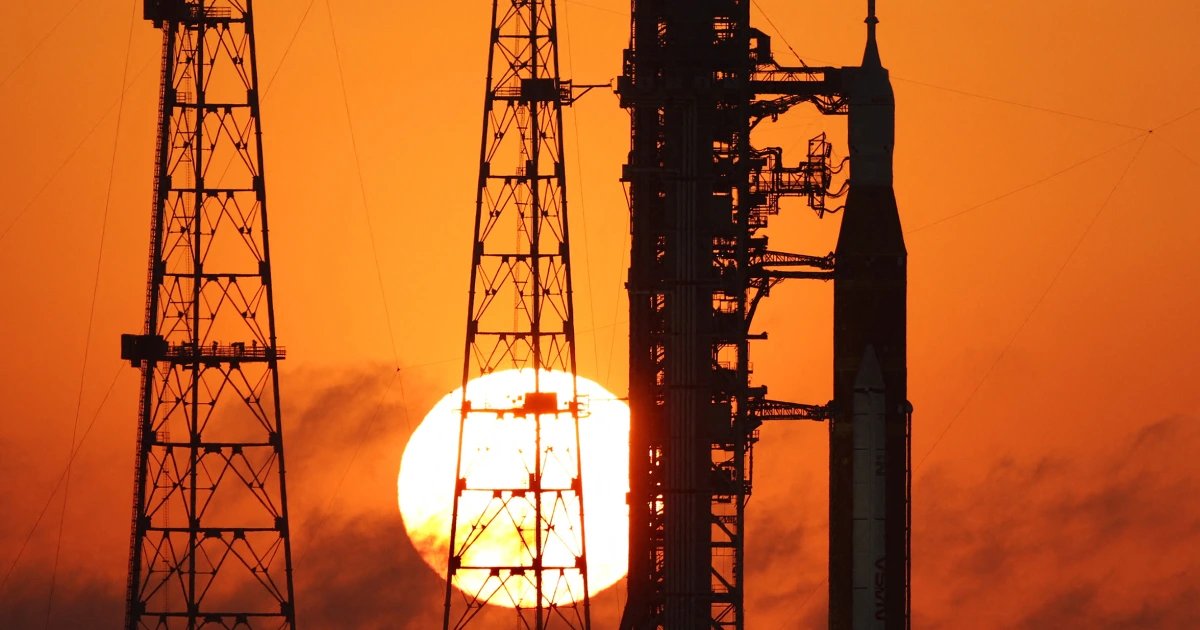
The new plan came after extensive testing, according to NASA, and Isaacman said in January that he had “full confidence” in the heat shield.
Wiseman gave a similar assessment: “If we stick to the new re-entry path that NASA has planned, then this heat shield will be safe to fly,” he said at a media event in July.
Two years to a moon landing
Another key criticism of the Artemis program has centered on the yearslong stretches between launches. Nearly four years have passed since the Artemis I flight, and until last month, the plan after Artemis II was to wait two more years for the next launch.
Critics have argued that the lengthy intervals made the program less safe because teams could not improve and iterate quickly, the way commercial space companies like SpaceX do.
“The fact that the Space Launch System cannot launch very frequently was a huge structural and safety risk that has been known for a long time,” Dreier said, adding, “You only have so many chances to learn about what your failure modes are.”

To address those issues, Isaacman recently revamped the Artemis program. The changes, which he announced less than three months into his tenure at NASA, include additional missions and an increase in the pace of launches.
Now, the Artemis III mission, which was originally going to land astronauts on the moon in 2028, will instead launch to low-Earth orbit in mid-2027 for technology tests and demonstrations. NASA’s complicated plan to get to the lunar surface involves a second spacecraft — a lander built by SpaceX or Blue Origin — that would dock with Orion in lunar orbit, then carry the astronauts down to the moon. Artemis III aims to practice such a maneuver. The commercial sector has also faced setbacks, though: A report this month from NASA’s Office of Inspector General said SpaceX’s Starship lander is behind schedule by “at least two years, with additional delays expected.”
Under its new plan, NASA aims to put boots on the moon with the Artemis IV mission in 2028.
As part of the changes, Isaacman said, the goal is to launch the Space Launch System rocket roughly every 10 months, rather than every three years.
That all hinges on a successful Artemis II mission, which could give NASA — and perhaps the American public — a much-needed boost.
“Whenever the White House really needs a good news story, they come to NASA,” Melroy said.