dailynewsnblog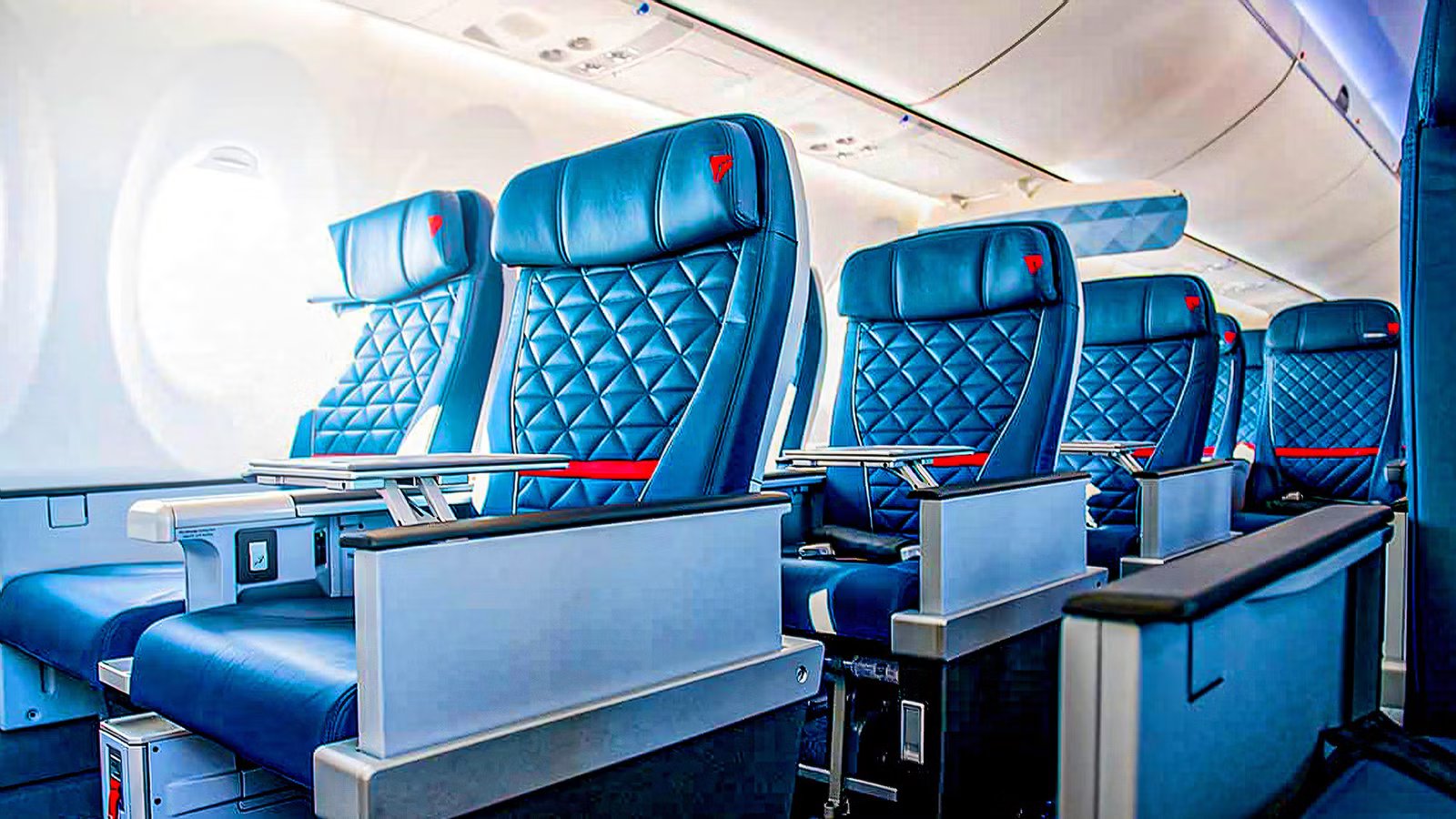
Upgrading to first class is a most common question that passengers ask themselves during the check-in process. Whether standing at an airport kiosk or scrolling through an airline’s mobile app, passengers often notice an upgrade offer and wonder if the price is worth it. The appeal is obvious – a larger seat, more legroom, complimentary food and drinks, priority boarding, and sometimes lounge access. But how much does it actually cost to move from economy class to first class at check-in?
The answer varies widely, as upgrade pricing is dynamic and depends on the airline, route, demand, and how many premium seats remain unsold. In some cases, passengers may see domestic upgrade offers for under $100, while on long-haul international routes, that same opportunity can cost more than $1,000. By examining examples from major US carriers such as Delta Air Lines, American Airlines, United Airlines, and Alaska Airlines, it becomes clear that the price to upgrade at check-in can range from a modest splurge to a serious investment. Let’s take a closer look…
How Upgrades At Check-In Work

When passengers check in for their flight, typically beginning 24 hours before departure, airlines may display upgrade offers if premium seats are still available. These offers can appear in the airline’s app, on its website, or at airport kiosks, and the pricing is generated dynamically, much like ticket pricing itself. Airlines evaluate how many first-class seats remain unsold and determine whether offering a discounted upgrade is better than allowing the cabin to depart with empty seats.
The closer the flight gets to departure, the more aggressive pricing can become, although this is not guaranteed. If first class is nearly sold out, upgrade prices may remain high or disappear entirely, while if a flight has several unsold premium seats, the airline may offer more attractive pricing to economy passengers during check-in. Importantly, these offers are separate from complimentary elite upgrades or mileage redemptions – check-in upgrades are typically paid in cash and are available to general passengers, not just frequent flyers with status.

What Are The Benefits Of Flying First Class?
Discover the secrets of first class travel and whether its perks extend beyond mere indulgence.
Typical Upgrade Costs For US Domestic Flights

On US domestic routes, check-in upgrade prices often fall within the low hundreds of dollars. For shorter flights, such as routes under two hours, passengers may see upgrade offers between $29 and $199, particularly on airlines with smaller first-class cabins.  Alaska Airlines, for example, has frequently offered upgrades in this range on West Coast routes such as
  Seattle-Tacoma International Airport (SEA) to Los Angeles International Airport (LAX) when seats remain available close to departure.
For longer domestic flights, including cross-country services, the numbers rise. A passenger flying from New York John F. Kennedy International Airport (JFK) to  Los Angeles International Airport (LAX) on American Airlines might encounter an upgrade offer ranging from $250 to $700 at check-in. These flights are typically around six hours long, and first class may include lie-flat seats on certain aircraft types. Compared to purchasing a full first-class ticket outright, which can cost several thousand dollars, these check-in offers can represent significant savings.
 Delta Air Lines has also been known to offer domestic first-class upgrade offers averaging several hundred dollars on busy business routes such as
  Hartsfield-Jackson Atlanta International Airport (ATL) to New York John F. Kennedy International Airport (JFK). The exact amount depends on how full the cabin is and how strong demand has been leading up to departure, but airlines will also factor in competition on these routes. Highly competitive markets, such as New York to Los Angeles, may see more aggressive upgrade pricing if carriers want to ensure premium cabins depart full.
International & Long-Haul Upgrades

International routes introduce a very different pricing dynamic, as business class or first class cabins on long-haul flights normally offer lie-flat beds, premium dining, enhanced service, and additional comforts. As a result, the cost to upgrade at check-in can rise significantly.
On transatlantic flights between the US and Europe, passengers may see check-in upgrade offers ranging from $600 to $1,500 one-way, depending on availability. For example, a traveler flying from Chicago O’Hare International Airport (ORD) to  London Heathrow Airport (LHR) on
  United Airlines might encounter a last-minute business class upgrade offer for around $900 if seats remain unsold. While still a substantial amount, this can be far less than the several-thousand-dollar premium fare originally listed.
Similarly, passengers flying transatlantic routes on Delta Air Lines or American Airlines may find discounted Delta One or Flagship Business upgrade offers during online check-in. However, these deals depend heavily on cabin load factors, and during peak summer travel or major holiday periods, upgrade opportunities may be limited or priced at a premium.
On ultra-long-haul routes, such as flights between  San Francisco International Airport (SFO) and
  Singapore Changi Airport (SIN), the upgrade cost at check-in can exceed $1,500 or more if seats are still available. Airlines recognize the high value of lie-flat beds on flights exceeding 12 hours, and pricing reflects that premium.

Why First Class Upgrades Have Become Increasingly Difficult
Airlines seem to be getting stingier when it comes to complimentary or discounted upgrades.
American Airlines’ First Class Product

As the world’s largest airline by fleet size and passengers carried, let’s take a closer look at American Airlines’ first class product. The  oneworld carrier’s first class offering is one of those things that every frequent flyer will experience differently depending on where they are flying and on which aircraft.
On domestic narrowbody routes within the US (with the exception of those operated by the Airbus A321XLR), first class offers a significant step up from economy class, which is immediately noticeable the moment a passenger boards the aircraft. The seats are wider with more pitch and recline, the service tends to be a bit more attentive, and there’s a clear sense of space that doesn’t exist in the back. On shorter flights, such as Chicago O’Hare International Airport (ORD) to  Dallas/Fort Worth International Airport (DFW), passengers enjoy complimentary snacks and beverages, priority boarding, and an elevated standard of comfort that makes an early morning or late night flight a bit more tolerable. It is not a lie-flat seat or a luxury lounge experience, but for a few hours in the air, it represents a meaningful upgrade over economy class.
On international long-haul flights, American Airlines’ business class product, branded as Flagship First, shifts into a much more premium experience. Flagship First includes spacious, fully lie-flat seats with direct aisle access, premium bedding, and chef-inspired meals designed for longer comfort. The difference between economy class and business class is not just comfort; it is an entirely different way to travel. From priority check-in and expedited security to flagship lounges, where available, the international business class product is aimed at those willing to invest in every element of the journey being elevated.
First class and business class products are available on most  American Airlines aircraft. The latest data from ch-aviation shows the carrier currently has a staggering 1,017 aircraft in its fleet, with a further 287 on order, as shown in the table below:
|
Aircraft |
Number In Fleet |
Number On Order |
|---|---|---|
|
Airbus A319 |
132 |
– |
|
Airbus A320 |
48 |
– |
|
Airbus A321 |
218 |
– |
|
Airbus A321neo |
84 |
94 |
|
Airbus A321XLR |
2 |
48 |
|
Boeing 737-800 |
303 |
– |
|
Boeing 737 MAX 8 |
93 |
11 |
|
Boeing 737 MAX 10 |
– |
115 |
|
Boeing 777-200ER |
47 |
– |
|
Boeing 777-300ER |
20 |
– |
|
Boeing 787-8 |
37 |
– |
|
Boeing 787-9 |
33 |
19 |

Why American Airlines Doesn’t Want Flagship First Class Anymore
In 2022, the airline confirmed that it would eliminate its so-called Flagship First class.
Why Do Prices Vary So Much?

The primary driver behind upgrade pricing is revenue management. Airlines analyze booking patterns, historical data, and real-time demand to determine how much they can reasonably charge for a premium seat as departure approaches. If the premium cabin is nearly full, there is little incentive to discount the remaining seats, but if multiple seats remain empty, lower prices may stimulate last-minute purchases.
Seasonality also plays a major role, with business-heavy routes during peak weekday travel periods often seeing fewer discounted upgrades because premium demand is strong. Meanwhile, leisure-focused routes in shoulder seasons may present better opportunities. Aircraft type can also influence pricing, as flights operated by aircraft with lie-flat seats may command higher upgrade prices than flights with traditional domestic recliner-style first-class seats. A narrowbody aircraft flying a short route often cannot deliver the same premium experience as a widebody aircraft operating a transcontinental or international flight.
Finally, elite status affects availability, and airlines generally prioritize complimentary or mileage-based upgrades for frequent flyers before offering discounted cash upgrades to general passengers. If elite travelers are upgraded into premium cabins first, fewer seats remain available for paid check-in offers.
Is The Upgrade Worth It?

Ultimately, the cost to upgrade to first class (or business class) at check-in depends on several main factors, including the length of the flight, the difference in comfort, and the time of day or year. On a short hop, the incremental benefit may not justify even a modest price, but on a long overnight flight, particularly internationally, the opportunity to sleep flat may significantly enhance the travel experience.
While there is no fixed formula, domestic check-in upgrades commonly range from under $100 to several hundred dollars, while long-haul international upgrades can climb into four figures. The variability reflects how airlines balance revenue, demand, and remaining inventory in real time. For passengers willing to monitor availability and make a quick decision, check-in upgrades can provide access to first class at a fraction of the original fare. However, availability is never guaranteed, and pricing can vary rapidly as departure approaches.