dailynewsnblog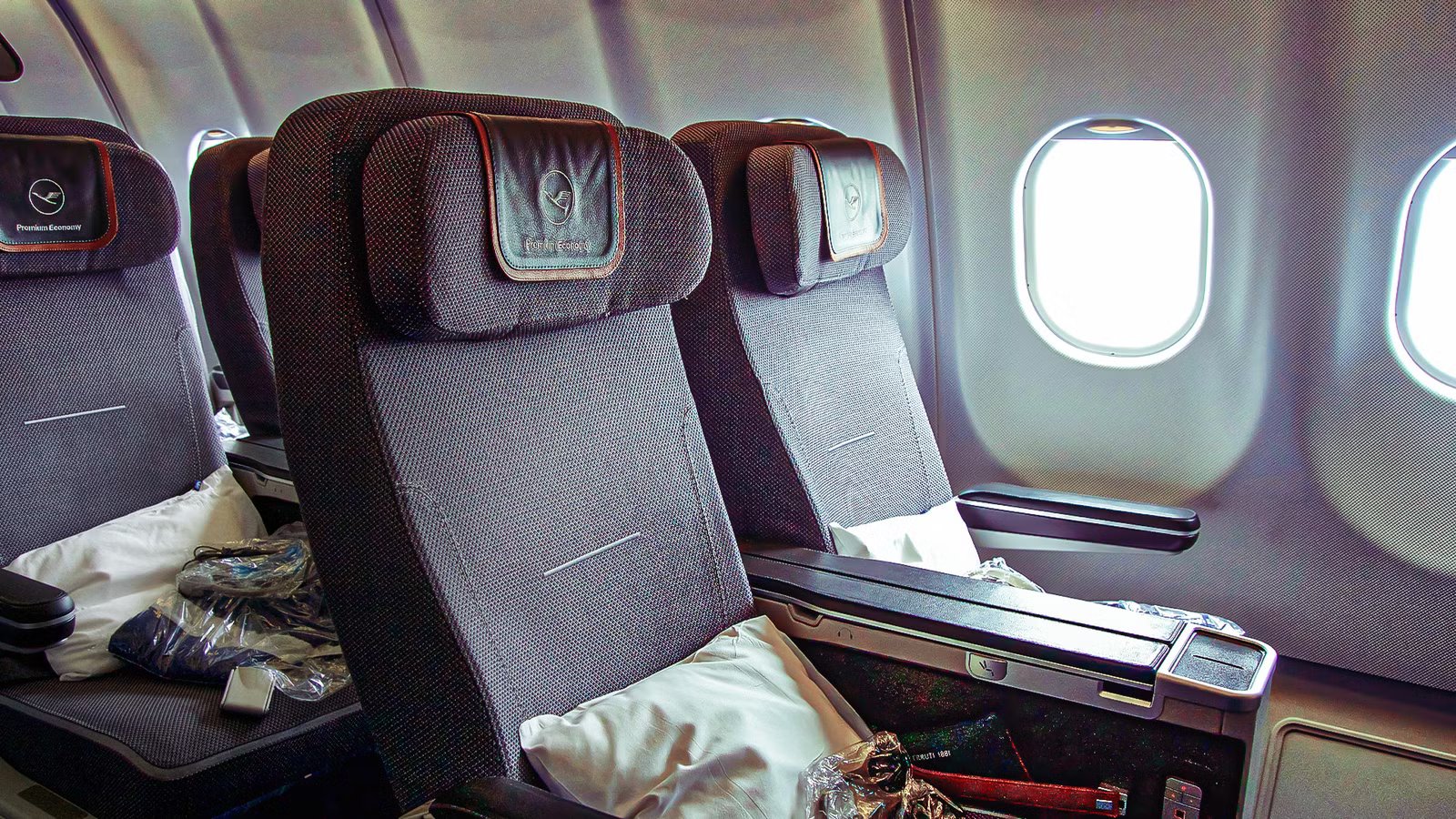
Airlines have significantly restructured their cabin offerings over the past decade, introducing more nuanced seating classes to capture a wider range of traveler budgets and preferences. Among these, premium economy has emerged as one of the fastest-growing segments, positioned between standard economy and business class. It is designed to offer enhanced comfort without the steep price tag associated with premium cabins.
For many travelers, the central question is not just about comfort but about cost. Premium Economy is marketed as a more accessible upgrade, but the actual price difference compared with economy can vary considerably. Depending on the airline, route, and timing, the fare gap can range from relatively modest to substantially higher than expected. Understanding how much premium economy costs compared with economy requires a closer look at multiple factors. These include average pricing trends, route-specific variations, and the broader strategies airlines use to price their cabins. By examining these elements, travelers can better evaluate whether the upgrade aligns with their needs and budget.
Understanding The Difference And Real-World Comparisons

In general terms, premium economy tickets are consistently more expensive than standard economy fares but remain significantly cheaper than business class. Industry estimates suggest that premium economy covers a wide range of price bumps compared to economy, depending on market conditions and booking timing. This pricing range reflects the hybrid nature of premium economy. It offers tangible improvements in comfort and service but does not reach the level of exclusivity associated with higher classes. As a result, airlines price it strategically to attract both leisure travelers seeking comfort and business travelers operating under tighter budgets.
Examining real-world fare data provides a clearer picture of how these percentages translate into actual ticket prices. On popular long-haul routes such as transatlantic flights between the United States and Europe, economy fares often range from $800 to $1,000 round trip. Premium economy tickets on the same routes frequently fall between $1,400 and $2,000. This creates a price difference that can range from $500 to more than $1,000. For many travelers, this is a substantial increase, particularly when multiplied across multiple passengers or family bookings. However, the added cost can be justified by an improved onboard experience, especially on long-haul flights lasting upwards of eight hours.
On average, many analysts place the typical premium economy markup at around 50 to 85 percent above economy fares. However, this figure is not fixed. In some scenarios, especially during promotional periods or off-peak travel seasons, the difference may shrink considerably. Conversely, during periods of high demand, the gap can widen significantly, occasionally approaching double the cost of economy. On ultra-long-haul routes, such as flights between Europe and Asia or North America and Australia, the pricing gap can become even more pronounced. In some cases, premium economy fares may be double or even triple the cost of economy, particularly when demand is high and seat availability is limited. These variations highlight the importance of considering route-specific dynamics when evaluating costs.
Factors That Influence Pricing

Several factors play a critical role in determining how much more premium economy costs compared with economy. One of the most significant is flight distance. Longer flights tend to command higher premiums because passengers place greater value on comfort during extended travel times. The timing of the purchase is another key factor. Booking well in advance can often reduce the price gap between economy and premium economy. Conversely, last-minute bookings tend to amplify the difference, as premium seats are limited and often in high demand among travelers seeking comfort on short notice.
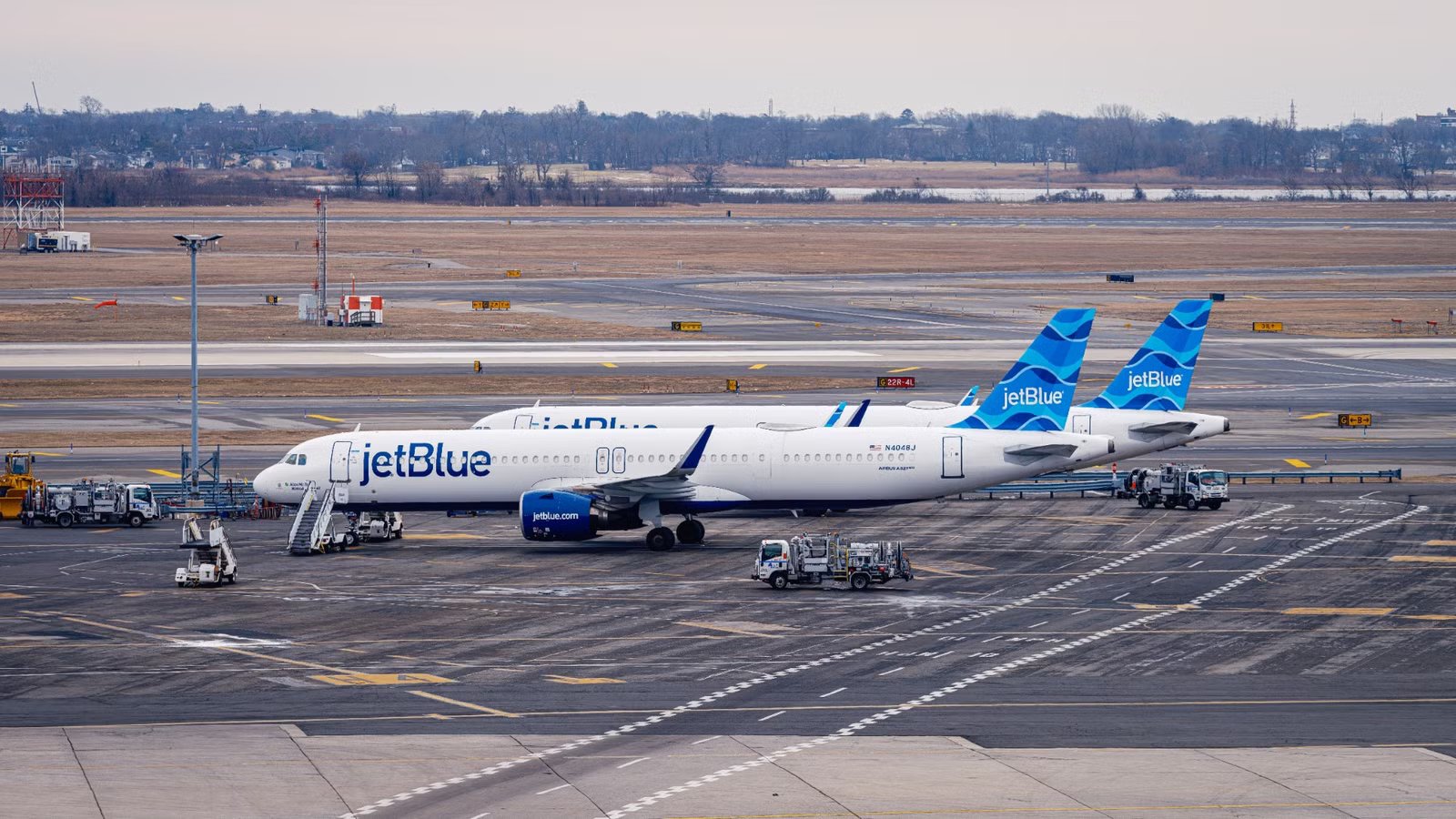
Airline competition also has a major influence on pricing. Routes served by multiple carriers typically feature more competitive fares across all cabin classes, including premium economy. In contrast, routes with limited competition may see higher price differentials, as airlines have greater flexibility to set fares without pressure from rivals. Some of the most competitive routes are the transatlantic route and transcontinental US route, with many airlines, such as  American Airlines and JetBlue, offering single-aisle operations across the pond. Premium economy seats on these narrowbody planes flying internationally are often highly sought out.

Here’s How Much More Spacious Premium Economy Is Compared To Economy Class
Premium Economy delivers 5–8 more inches of legroom, wider seats, and deeper recline—offering a calmer, more comfortable upgrade from standard Economy
What Travelers Pay For And Insights

The higher cost of premium economy is directly tied to the enhanced features it offers. One of the most noticeable differences is seating. Premium economy seats are generally wider, offer more legroom, and provide greater recline than standard economy seats, making long flights more comfortable. In addition to improved seating, premium economy passengers may also receive upgraded meal service, including higher-quality food and beverages served with better presentation. Airlines also frequently offer priority boarding and additional baggage allowances, contributing to a more streamlined travel experience.
Despite these benefits, premium economy does not provide the full range of amenities found in business class. There are typically no lie-flat beds or access to exclusive airport lounges included in the ticket. As a result, the value of premium economy lies in its balance, offering meaningful improvements without the significant cost increase associated with higher-tier cabins. It is important to evaluate each premium economy offering in the context of the airline in question. For example, the premium economy offering on  Emirates is nicer than many domestic business or first class offerings in the US. While a direct comparison of premium economy experiences between airlines may make it seem like there is no common thread to the class, the experience is, after all, simply one tier in the broader set of experiences a specific airline offers to travelers.
|
Premium Economy and Economy Dimensions on United |
||
|---|---|---|
|
Metric |
Premium Economy |
Economy |
|
Pitch |
34 inches |
31 inches |
|
Recline |
4 inches |
3 inches |
|
Width |
17.05 inches |
17.05 inches |
|
Source: United for the 777-300ER (77W) |
||
Traveler feedback provides valuable insight into how passengers perceive the cost of premium economy relative to economy. Many frequent flyers emphasize that the value of the upgrade depends heavily on both the length of the flight and the size of the price difference. On long-haul flights, travelers often report that the additional space and comfort significantly improve their overall experience. Better sleep, reduced fatigue, and a more relaxed journey are commonly cited benefits that justify the higher fare. For these passengers, premium economy is seen as a worthwhile investment.
So Is Premium Economy Worth It?

Wikimedia Commons | Simple Flying
Determining whether premium economy is worth the additional expense depends on several factors, including travel duration, personal comfort preferences, and budget constraints. For long-haul journeys, the upgrade is often considered worthwhile due to the cumulative benefits of increased space and improved service. Premium economy can also represent strong value when fares are discounted or when the price difference is relatively small. In some cases, travelers can secure upgrades for a modest additional cost, making the enhanced experience more accessible. Monitoring fare trends and booking strategically can help identify these opportunities.
On shorter flights, the value proposition becomes less clear. The limited duration reduces the impact of additional comfort, and many travelers choose to remain in economy to save money. Ultimately, the decision comes down to individual priorities and how much value is placed on comfort versus cost savings. The expansion of premium economy reflects broader changes in airline business models. Carriers are increasingly focusing on premium cabins to boost revenue and differentiate their offerings in a competitive market. Premium economy, in particular, has proven to be a profitable segment with strong demand.
Many airlines are reconfiguring aircraft to include more premium economy seats, sometimes at the expense of standard economy capacity. This shift allows airlines to capture higher yields per passenger while still offering a product that appeals to a wide audience. At the same time, some airlines have reduced the space and amenities in economy cabins, creating a more distinct separation between economy and premium economy. This strategy encourages passengers to consider upgrading, reinforcing the importance of premium economy as a key component of modern airline pricing structures.

The Striking Differences Between Premium Economy & Economy Class In 2026
What secrets lie between these two cabin classes in 2026? The differences may surprise you…
Final Thoughts

In the current market, premium economy has established itself as a compelling middle ground between economy and business class, offering enhanced comfort at a relatively moderate price increase. While it can cost anywhere between 30 percent and 100 percent more than an economy fare, the exact difference varies widely depending on a range of factors. For travelers, the decision to upgrade is highly personal and depends on the specific circumstances of each trip. On long-haul flights, the benefits of premium economy often justify the additional cost, while on shorter routes, the value may be less pronounced.
As airlines continue to refine their cabin offerings and expand premium seating options, the role of premium economy is almost certain to grow. Understanding the pricing dynamics and carefully evaluating the trade-offs between cost and comfort will remain essential for travelers seeking the best possible experience within their budget, and it will remain a central point of research for airlines as they look to effectively price cabin fares.