dailynewsnblog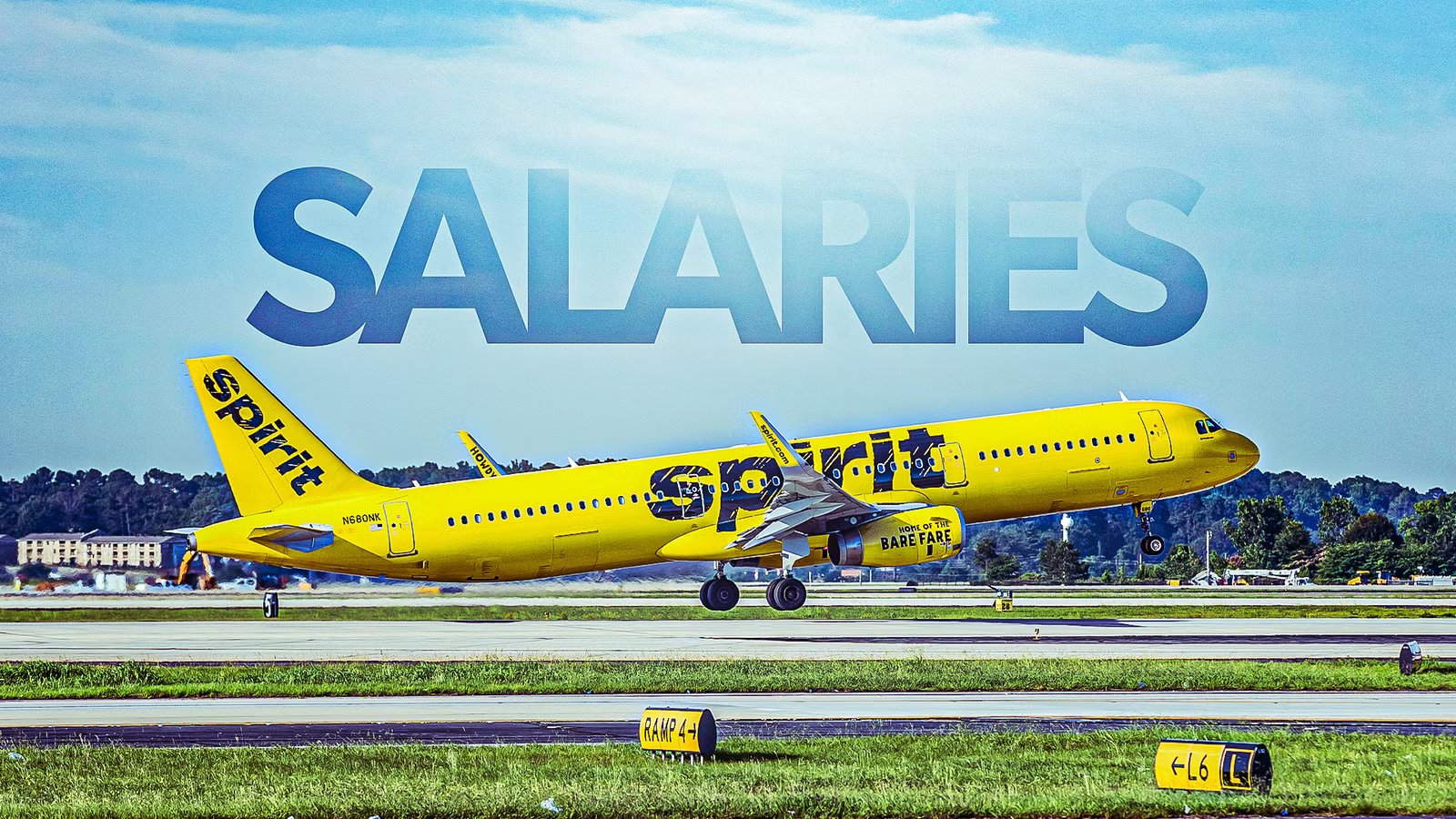
Pilot remuneration is extremely complicated, with a large number of factors driving the pay. These include which airlines the pilot flies for, the years of experience the pilot has, where in the world (and even where in the US) the pilot is based, what bonuses and allowances are included, and much more. The type of aircraft is also a factor, though it is just one. As a rule, pilots flying widebody aircraft are paid more than those flying narrowbody or regional aircraft, but there are other factors to consider driving this.
This article will gloss over the complications of pilot pay, including retirement plans, allowances, and retention bonuses, and focus more on the seniority aspects of flying. New and comparatively inexperienced pilots generally start their careers flying for regional airlines, then move to low-cost or major airlines, and then to widebody aircraft after as many as 20 years. They may then throw in the proverbial towel and take a possible pay cut to fly private jets and enjoy their desired lifestyle.
No Clear Split Of Pilot Pay By Aircraft Type

Thrust writes, “In the U.S., commercial pilot salaries in 2024 range from $90,000 to over $600,000 annually. But it’s important to understand exactly how pilot pay is calculated, because pilots aren’t actually paid a typical salary.” Meanwhile, the ATP says, “Pay can range widely: a first-year regional first officer may earn between $70,000-$90,000, while a senior widebody captain at a major airline or cargo carrier can earn $350,000 or more.“
It is difficult to find exact breakdowns by aircraft flown. While the Bureau of Labor Statistics has estimates of commercial pilot pay in the United States, it doesn’t break it down by aircraft type. Representative income ranges for pilots flying regional aircraft like E175s and CRJ900s are between $90,000 and $150,000, while a representative range for narrowbody pilots (Boeing 737s and A320s) is $250,000 to $350,000.
Widebody aircraft pilots can expect to earn between $350,000 and over $475,000 in the United States. This varies massively by country around the world, though US pilots tend to be among the best paid. The ATP says major airline pilots earn between $98,680 and $450,000, and regional airline pilots earn $85,000 and $217,530. The comparison of these two ranges is complicated by the fact that most pilots working for major airlines are flying narrowbody aircraft.
Regional Airlines Are An Early Stepping Stone

One area to look for pilots’ pay by aircraft type is to look at pilots flying for regional airlines, as regional airlines operate smaller regional aircraft. Regional pilots are typically paid less than those flying for major airlines. Regional carriers can not afford to pay pilots as much as large aircraft operators can, partly because their aircraft carry fewer seats and generate less revenue.
Like low-cost carriers, regional carriers fit into a different pilot pay market than their major airline counterparts. For decades, the career ladder in the US airline industry has been that pilots start their careers flying for small charter airlines before progressing to regional airlines as a first officer. They typically become regional captains before transferring to a major airline as first officers. After years of experience, they become major airline captains and earn high wages, and become highly sought-after pilots.
Low-cost airlines can form a stepping stone between regional and major airlines. For years, regional airlines have benefited from the comparatively low wages of low-seniority pilots trying to build up their flight hours. That said, this has changed somewhat due to the post-COVID pilot shortage and regional airlines having to increase pay for low-seniority pilots.

A Look At The Salaries Of The US Big 3 Airline Pilots In 2025
Airlines are in a fierce competition for top talent, and pilots are reaping the rewards. Uncover the factors reshaping the economics of flying.
How Much Narrowbody Aircraft Pilots Earn

Thrust Flight has estimates of how much narrowbody pilots are paid in the United States. Southwest Airlines is the largest airline in the world, operating a fleet of Boeing 737 aircraft. Its first-year captain salaries are listed as $216,900, rising to $227,700 in the fifth year, and $246,600 by year 12. First officers earn less, starting at $75,600 with Southwest, rising to $147,600 by year five and then $171,900 by year 12.
While Alaska is now operating a limited number of Boeing 787 Dreamliners, it otherwise exclusively operates Boeing 737s in its core mainline fleet. Captains earn around $203,400 in their first year, then $210,600 by the fifth year, and $239,400 by year 12. First officer pilots earn $83,700 in their first year, increasing to $141,300 after five years, and $161,100 after 12 years.
|
Select airlines (narrowbody per Thrust) |
First-year captain |
First year first officer |
|---|---|---|
|
Alaska |
$203,400 |
$83,700 |
|
American Airlines |
$311,000 |
$109,000 |
|
Delta Air Lines |
$310,000 |
$109,000 |
|
Frontier Airlines |
$177,300 |
$67,500 |
|
JetBlue Airways |
$221,400 |
$84,600 |
|
Southwest Airlines |
$216,900 |
$75,600 |
|
United Airlines |
$316,000 |
$111,000 |
Thrust estimates the pilot pay by narrowbody type for Alaska, American, Delta, Frontier, Hawaiian, JetBlue, Southwest, Spirit, and United. Overall, the pilot salaries fall within a reasonable range of each other. That said, low-cost airlines do pay their pilots less, which creates a very different dynamic between these airlines and their pilots.
Frontier Is A Stepping Stone Airline

Frontier is listed as having the lowest narrowbody pilot pay, with captains earning just $177,300 in their first year, while United captains earn the most at $316,000. For Frontier captains, the pay increases to $200,700 after five years and $235,800, making it one of the lowest airlines for captains. Frontier is also listed as having the lowest entry pay for first officers, starting at just $67,500 in the first year, significantly below the next lowest airline, Hawaiian Airlines, at $72,900.
This is due to structural differences with Frontier. Overall, it is trying to keep its expenses to a minimum as an ultra-low-cost carrier. According to AOL, pilot salaries are even lower for pilots flying for Allegiant Air. The Air Line Pilot Association says, “Frontier pilots are significantly under-compensated compared to their peers at other leading U.S. airlines. With recent contract negotiations at carriers like Alaska, Delta, United, and Hawaiian setting a higher industry pattern, Frontier pilots are falling behind.”
It adds that Frontier is facing an “alarming rate of pilot attrition” with experienced pilots leaving the airline for better-paying carriers. It says Frontier invests in pilot training at a rate almost four times higher than the number of pilots it retains. But the story is perhaps not that dramatic. Lower-paid pilots can be seen as part of low-cost carriers’ strategies, and they accept turnover as a cost. Meanwhile, pilots see these airlines as stepping stones in their careers.

A Look At The Salaries Of Commercial Airline Pilots In The US In 2026
Salaries in the industry have continued to rise.
Only A Small Number Of Pilots Are Widebody Pilots

It’s worth keeping in mind that only a relatively small number of commercial pilots in the United States fly widebody aircraft. The vast majority of aircraft are narrowbody or regional aircraft. Only four airlines (excluding Alaska) operate widebody aircraft: Delta Air Lines, United Airlines, American Airlines, and Hawaiian Airlines. These aircraft only make up a comparatively small share of their overall fleets.
All other US-based airlines, like Southwest, Frontier, Spirit, Allegiant, JetBlue, Breeze, and others, operate narrowbody aircraft (A320s and Boeing 737s) and/or regional aircraft (Embraers and A220s) exclusively. United Airlines is the world’s second-largest operator of widebody aircraft after Emirates, which is the largest airline in the world exclusively operating widebody aircraft.
If the pinnacle of a pilot’s career is flying a widebody aircraft, then it takes years to achieve it. It typically takes around 10 to 20 years of total airline career progression before they can fly these aircraft. A pilot needs around 2–3 years of training and early flight experience, then 2-5 years of experience flying for regional airlines, and 5–12 years flying narrowbody aircraft with major carriers before being able to fly these aircraft. Pilots bid for aircraft based entirely on seniority.
Private Jet Pilots Are Paid The Least

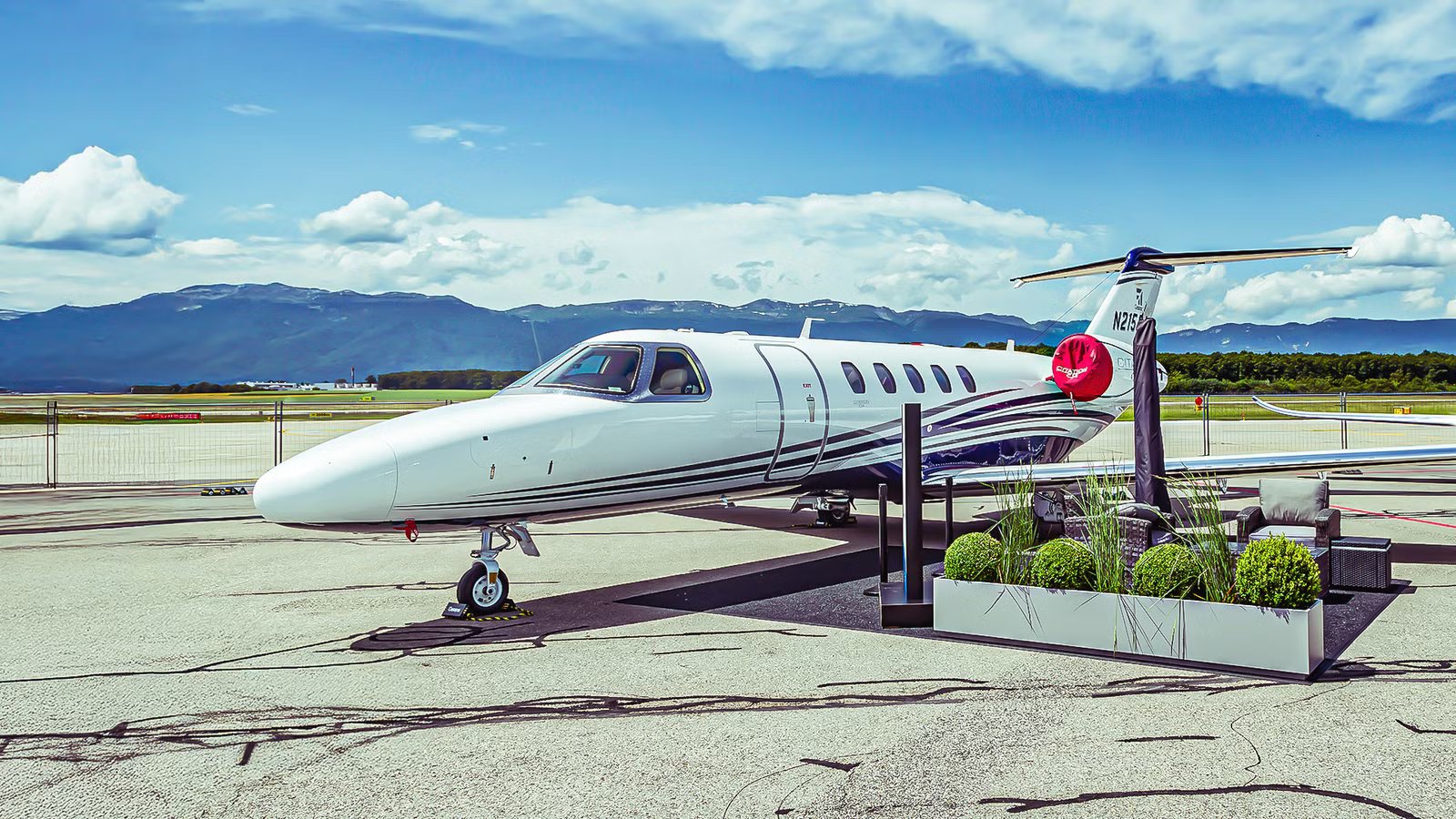
Compared with their commercial pilot counterparts, private jet pilots are typically paid less. While the BLS says the median pay for commercial pilots is around $220,000, it is only around $130,000 for private aircraft pilots. With business jets, a pilot’s pay range varies significantly by the aircraft type, as top-end business jet operators are willing to pay a premium for a top-notch captain.
Senior captains flying premium Gulfstream 700/800s get the highest pay at around $345,000 to $434,000, while senior captains flying King Air 90/100s tend to get paid the least at $73,000 to $110,000. As a rule, the smaller the aircraft is, the less sophisticated it is, and the pilot’s income reduces. But pilots are not only concerned about how much they are paid, especially the older pilots who have already spent years flying in the commercial sector.
Many pilots self-select out of airline careers, choose to take a pay cut, and enjoy the relative flexibility and freedom of flying smaller private aircraft. For many pilots, this is the work-life balance that works for them. Flying large commercial jets is often likened to driving a bus at 35,000 feet. Over time, this can become repetitive and monotonous, with many pilots feeling they aren’t truly flying. Private aircraft offer pilots the chance to be “real” pilots again.