dailynewsnblog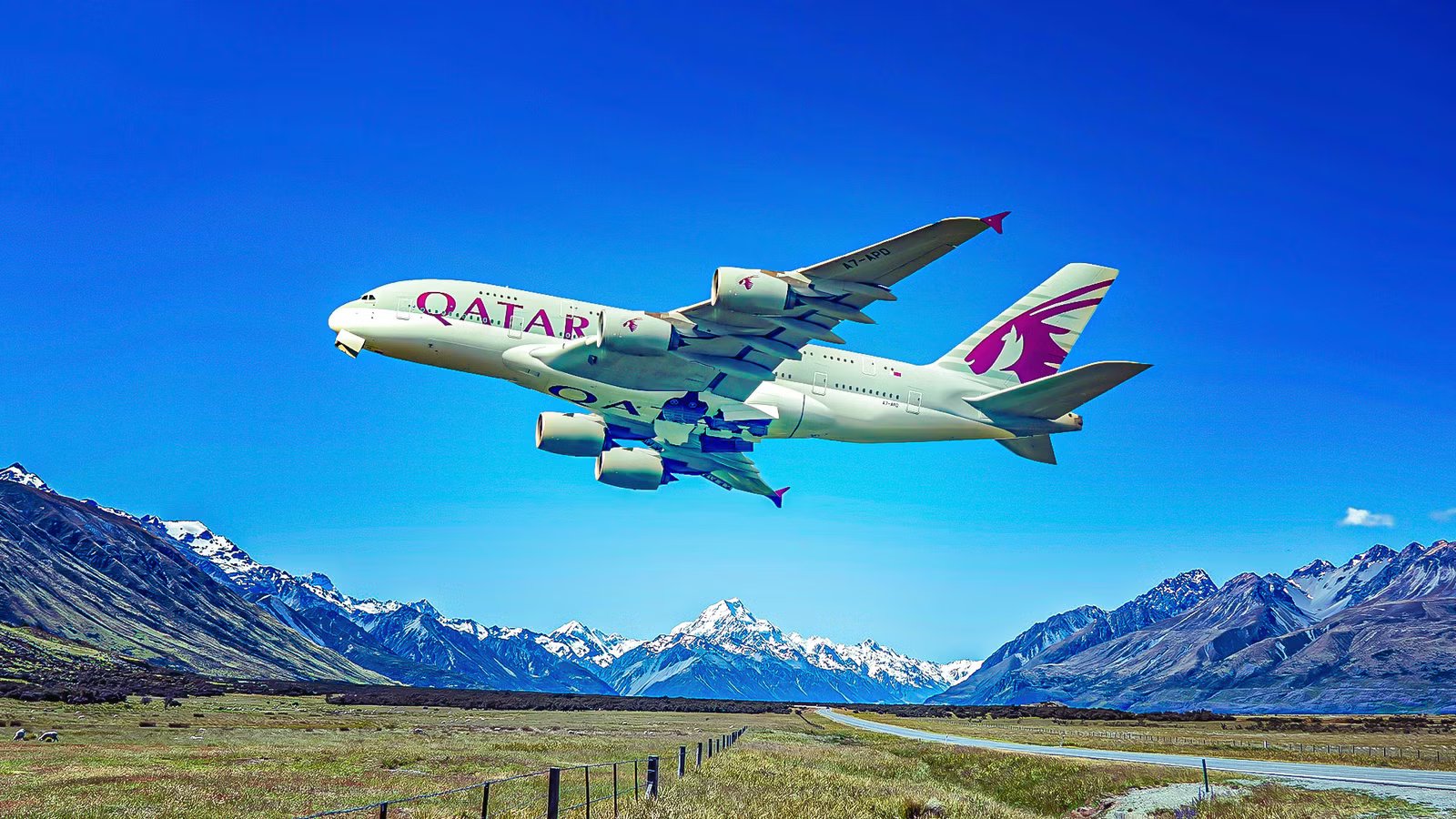
The Airbus A380 has long served as the backbone of premium long-haul fleets all across the globe. The aircraft, which is iconic for being the only full-double-deck aircraft to ever enter passenger service, can accommodate more passengers than pretty much any other model. However, the aircraft itself is valuable for much more than its sheer passenger capacity. Its massive cabins allow airlines interested in developing premium in-flight experiences to install some of the best cabins in the skies. There is so much space onboard both decks that Middle Eastern legacy carriers, those which are traditionally the most interested in offering the flashiest services, can truly experiment with designs and configurations.
However, there are some careful considerations for airlines when it comes to the Airbus A380. The jet is extremely expensive to operate, with a four-engine configuration that looks somewhat like a relic of the past in an era where efficient twin-engine aircraft are beginning to become the norm in long-haul travel. This does not mean that airlines can not turn a profit operating the type, but more that they need to be extremely careful when deciding when and how they are going to deploy the model. Qatar Airways is one of the airlines that has had to carefully decide how and when it is going to deploy the A380. The airline only operates a handful of jets, due to the expensive maintenance and operational costs the jumbo comes with. We analyze the  Qatar Airways Airbus A380 fleet in detail.
A Brief Overview Of The Airbus A380 Itself

The Airbus A380 is the world’s largest passenger aircraft, and it is one of the most ambitious civil aviation projects ever built. Designed to move huge volumes of passengers between global hubs, the double-deck, widebody jet is capable of carrying well over 500 passengers in a typical airline configuration, with an exceptionally quiet and stable ride thanks to the plane’s massive wings and four-engine setup. Originally entering service back in 2007, the aircraft’s design was made for long-haul, high-density routes.
This offered airlines an unmatched cabin width that allowed premium airlines to introduce new kinds of business and first-class products that offered wider seats, bigger aisles, and dedicated onboard spaces that smaller aircraft were not capable of supporting. What truly set the Airbus A380 apart was the passenger experience. Airlines used the extra onboard cabin space to introduce first-of-its-kind features like onboard lounges, bars, and even staircases between passenger decks. This turned the aircraft into more of a flying flagship than simply a means of transport.
The jet itself also earned a strong reputation for comfort, with lower overall cabin noise, smoother turbulence handling, and a feeling of space that frequent long-haul travelers took little time to take notice of. While changing market economics eventually limited the aircraft’s sales, the Airbus A380 remains a favorite among passengers and a centerpiece of premium travel on carriers that continue to operate the type, especially when it comes to long, high-profile international routes. Many carriers ordered the type, including Qatar Airways, the subject of the subsequent analysis.
An Overview Of Qatar Airways Global Network Strategy

Qatar Airways runs a classic but tightly optimized hub-and-spoke network built around its hub at Doha Hamad International Airport (DOH), using geography to funnel long-haul traffic between Europe, Asia, Africa, and the Americas. The airline’s core advantage is its sixth-freedom passenger flow, as very few of its passengers actually begin or end their journeys in Qatar. The airline optimizes its network through short, well-timed transfer windows.
Rather than chasing sheer overall route count, the airline is instead focused on frequency, with it offering multiple daily departures on key long-haul city pairs in order to attract high-yield business travelers who value schedule choice above pretty much anything else. These passengers do care quite a bit about comfort, which is one of the factors that has led Qatar Airways to invest so heavily in the development of its premium products and global network strategy. The airline’s overall fleet flexibility is central to its strategy.
Qatar Airways pairs wide route coverage with aircraft right-sizing, ultimately matching demand using Airbus A350s, Boeing 787s, and narrowbody types on thinner markets, all while still maintaining a consistently premium onboard product. This allows the network to stay resilient as demand shifts by season or region. Another pillar of this is ultimately premium connectivity. Doha is designed to handle large volumes of connecting business-class traffic smoothly, which reinforces Qatar’s brand as a long-haul specialist rather than a point-to-point carrier. The result is a dynamic network that emphasizes global reach, reliability, and premium yields over pure volume growth.

Where Qatar Airways Will Fly Its High-Capacity Airbus A380s This Winter
The aircraft offers some exceptional long-range capabilities.
Where Does The Airbus A380 Fit Within This Dynamic Strategy?

The Airbus A380 plays a very specific and high-impact role within the Qatar Airways network rather than acting as a system-wide workhorse. The jet is deployed on dense, slot-constrained routes between major global hubs, all places where premium demand is both deep and fairly consistent. In these sectors, the aircraft enables Qatar to add capacity without increasing frequencies, thereby preserving valuable slots while maximizing revenue per individual aircraft movement.
Beyond raw operating economics, the Airbus A380 functions as a brand amplifier. Its size enables a large premium cabin, extensive onboard lounge space, and a flagship feel that aligns quite nicely with Qatar’s positioning at the top end of the market. The aircraft itself is also well-suited to peak-demand periods, such as major events or high-season travel flows, when demand temporarily outstrips what smaller widebody jets can handle while turning a profit.
This being said, the Airbus A380’s service network is deliberately limited in scope. Qatar Airways uses it sparingly, with the jet complementing, not replacing, more flexible aircraft like the A350. Within this broader strategy, the Airbus A380 emerges as more of a precision tool. The aircraft is deployed where scale, prestige, and premium density all intersect, rather than where demand simply happens to exist.
A Look Into The Fleet Itself

The Qatar Airways Airbus A380 fleet is deliberately small in nature. The carrier itself ultimately only took delivery of 10 Airbus A380-800 models, with the first of these arriving on September 17, 2014, and the type entered service on a route from Doha to London Heathrow Airport (LHR) on October 10, 2014. The final aircraft in the fleet was delivered in April 2018. The following table details these cabin specifications, per airline technical documents:
|
Cabin |
Number Of Seats |
|---|---|
|
First Class |
8 |
|
Business Class |
48 |
|
Economy |
461 |
These cabins feature a three-class setup, one which notably includes first class. This is notable because it gives Qatar the ability to offer a true first-class cabin on some select routes. While the fleet was parked for long stretches during COVID, the Airbus A380 fleet returned as demand surged and as slot congestion constraints made upgauging attractive on trunk routes. Most recently, the airline has chosen to use eight of its original ten and concentrate them on thick, premium-heavy markets.
The airline has also been swapping in other widebodies as seasonality shifts. From January 12, 2026, Qatar is also slated to deploy the A380 on select routes from Doha to Singapore, widening the short list of superjumbo destinations. Looking ahead, management has signaled that the type will stay in service much longer than originally planned, but that the jet remains a niche flagship rather than a large backbone for the airline’s network as a whole.

Where Does Qatar Airways Fly Its Airbus A380s?
The Middle Eastern carrier reserves the superjumbo for use on a select handful of routes.
A Look At The Cabins Of The Qatar Airways A380

The Qatar Airways Airbus A380 features a three-class layout that now looks unique in the skies. At the very front of the aircraft is First Class, with wide open suites, deep recline, and direct access to the onboard bar. This is a rarity, as Qatar Airways has since pretty much removed first class from most of its fleet.
Business Class is arranged in a 1-2-1 layout with fully flat beds. This old-school business class predates the airline’s award-winning Qsuite, and there are no doors. Seats do, however, offer direct aisle access, and they are spacious and comfortable. The aircraft also features a unique upper-deck bar and lounge, which is shared by First and Business passengers.
This adds a social element that no other Qatar Airways jet will offer. Economy Class, which is split across both decks, benefits from generous cabin width and a quieter ride than most long-haul jets. While the hard product itself is far from Qatar’s newest, the A380’s cabins feel airy, calm, and premium.
What Is Our Bottom Line On This Aircraft And The Qatar A380 Fleet?

At the end of the day, the Airbus A380’s purpose is fairly clear for Qatar Airways. The long-haul model is designed to offer maximum passenger capacity while keeping ample space available for premium cabins. These are the places where an airline like Qatar Airways really makes its money.
The aircraft is only used by the airline in small numbers, unlike regional rivals like Emirates, which flies over 100 of the type. The jet is not a core element of the Qatar Airways fleet, but rather a surgical tool that is used by the airline when it wants to target specific elements of the market.
This is why the jet continues to be valuable today, even while its operating costs remain fairly high. On marquee routes, its large premium cabins, flexible premium offerings, and unique value proposition ensure that it remains a passenger favorite.