dailynewsnblog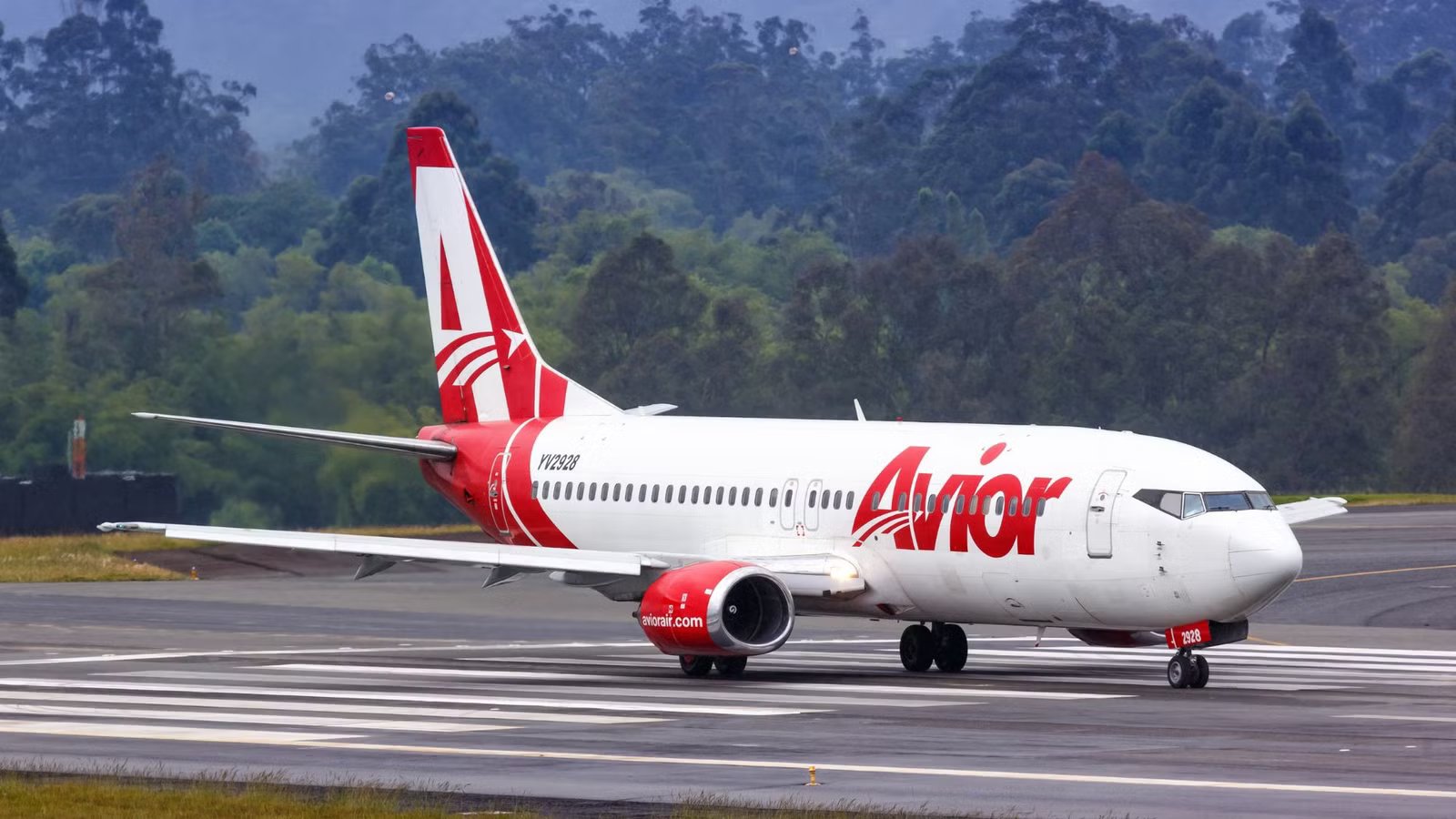
Venezuelan carrier Avior Airlines has taken formal steps to re-enter the US market, submitting an application to the Department of Transportation seeking approval to operate flights including Caracas–Miami, Maracaibo–Miami, Barcelona–Houston, and Barcelona–Miami, pending FAA Category 1. The move followed a Jan 29, 2026 announcement by President Trump on Jan 3, revoking the safety/security-based order. Before the ban, Venezuela– United States routes supported hundreds of thousands of annual passengers, with Miami serving as the principal gateway. Avior’s filing signals growing momentum toward restoring nonstop air links that once anchored one of South Florida’s most important international markets.
Before service was halted,  Miami International Airport handled a large proportion of all Venezuela–US passenger traffic, supported by multiple daily flights operated by both US and Venezuelan airlines. When direct flights disappeared, travelers were forced to reroute through regional hubs such as Panama City, Santa Domingo, and Bogotá, resulting in increased travel times of several hours and double-digit fare increases. These hubs benefited from years of captive connecting traffic. The return of nonstop service now threatens to unwind that Caribbean “middleman” model and reassert Miami’s historic dominance.
Miami’s Long-Dormant Venezuela Gateway Moves Toward Reopening

Avior’s DOT application requests authority to operate scheduled passenger and cargo flights from Caracas, Maracaibo, and Barcelona (Venezuela) to the United States, with Miami positioned as the airline’s primary entry point. Before 2019, US–Venezuela routes supported over 600,000 round-trip passengers annually on American Airlines alone, according to pre-pandemic industry data. Avior’s proposed network would immediately target this pent-up demand.
The filing comes amid broader interest in restoring US–Venezuela air service, with multiple airlines positioning themselves to capture market share once regulatory and safety approvals are finalized. During the ban, connecting hubs experienced a sharp rise in Venezuelan traffic volumes. A return of nonstop flights would likely reverse those flows, shortening itineraries by up to five hours each way and placing downward pressure on fares across the region. Avior has said it is ready to restart US service:
“Upon receipt of all necessary regulatory and safety approvals.”
Caribbean Transit Hubs Face Pressure as Nonstop Flights Return

Miami International Airport stands to be one of the biggest beneficiaries of renewed nonstop service. Before flights were suspended, Venezuela ranked among MIA’s top Latin American markets. The restoration of these flights could meaningfully boost MIA’s international passenger totals, which exceeded 52 million travelers in 2024.
For the Caribbean and Central American hubs, the shift could be disruptive. Airlines such as Copa Airlines built substantial Venezuela-focused transfer traffic, with some routes carrying more than half of passengers in transit rather than origin-destination markets. As nonstop options return, these carriers may need to redeploy capacity or reduce frequencies, particularly on short-haul Caribbean sectors that relied heavily on Venezuelan connections.
Beyond passengers, cargo is another key factor. Before the ban, Venezuela–US air routes moved large amounts of annual freight, including perishables, pharmaceuticals, and industrial components. Direct flights significantly reduce transit times and handling costs, making nonstop service especially attractive for time-sensitive shipments routed through Miami’s cargo facilities.

FAA Shuts Venezuelan Airspace To US Aircraft After Explosions Near Caracas
The US has conducted a series of military operations in the Venezuelan capital.
What Restored Flights Would Mean for Traffic, Cargo, and Competition

The reopening of the US market is occurring alongside a broader normalization of Venezuela’s international air links. In recent months, several suspended services have been reactivated, and new links started, such as Brazil’s GOL restarting São Paulo–Caracas flights, the Dominican Republic resuming service after a prolonged suspension, and long-haul routes by Qatar Airways reflecting renewed regional connectivity and strengthening operational conditions. This regional rebound strengthens the case for sustainable long-haul reinstatement.
While demand indicators are strong, long-term growth will depend on regulatory alignment, safety oversight, and political stability. If fully restored, analysts estimate the US–Venezuela market could recover or exceed its pre-2019 passenger volumes, with Miami reclaiming its role as the primary gateway. Such a shift would reshape regional aviation economics, pulling traffic away from indirect Caribbean routings and back into South Florida.
As Avior and other carriers line up for US approval, the return of direct flights would represent more than just new routes; it would mark a structural realignment of hemispheric air travel. For Miami, it is a chance to regain lost traffic and revenue; for Caribbean hubs, it signals a potential decline in a once-lucrative connecting niche.