dailynewsnblog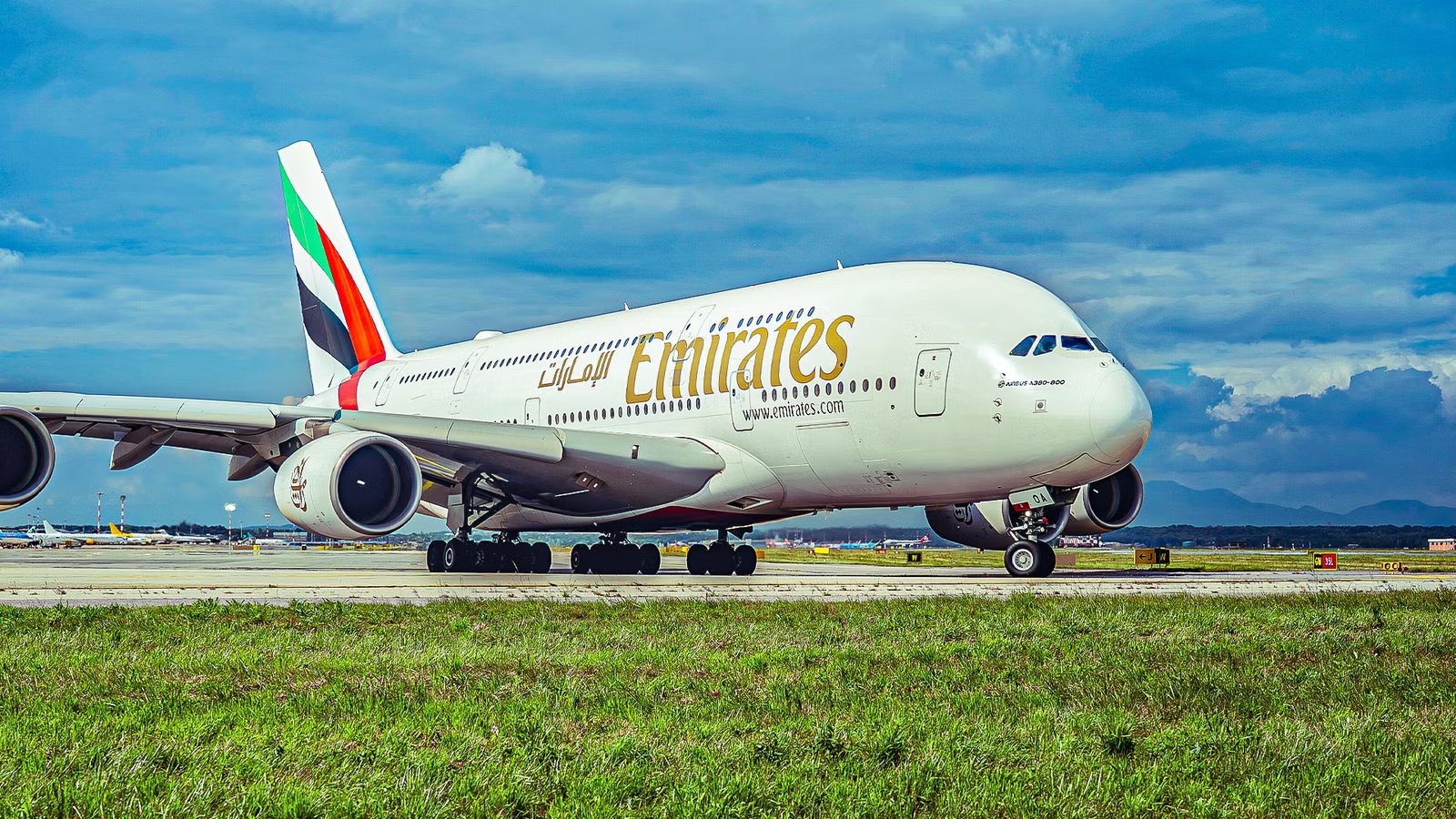
Pilots and frequent flyers often talk about how Emirates makes long-haul flying feel smooth for passengers, but very few people think about how many cabin crew are actually working on an Airbus A380 flight, or where they go once the meal service is finished and the cabin lights are dimmed. On a short-haul narrowbody, there might only be a few flight attendants managing a single aisle. On a busy Emirates A380, however, there can be well over a dozen cabin crew on board – sometimes close to 20, depending on the route and cabin layout.
That number is not a random choice. Aviation regulators set minimum crew requirements based on the aircraft’s exits, the number of passengers, and the length of the flight. Airlines like  Emirates then add more crew above the legal minimum to maintain their service standards, especially on high-density international routes. As flight times increase, fatigue management becomes as critical as fuel planning. Regulators limit how long crews can be on duty in one stretch and require airlines to provide proper rest. Once a flight enters the ultra-long-haul category, it is neither practical nor legal to keep the same team working from takeoff to landing. Extra crew are rostered, and planned rest breaks become part of the operation. This is where the design of the crew bunk quietly becomes an essential part of the A380.
Why Emirates A380 Flights Need Real Crew Rest

The Airbus A380 was built for high-capacity, long-distance routes, and Emirates is the world’s most prolific operator. From its Dubai hub, Emirates A380s regularly fly to cities such as Sydney, Auckland, New York, and Los Angeles. Depending on winds and routing, these flights can run to around 14–16 hours gate-to-gate.
|
Emirates A380 Route |
Approx Block Time |
|---|---|
|
Dubai(DXB) – Sydney(SYD) |
13 – 14 Hours |
|
Dubai(DXB) – Melbourne(MEL) |
13 – 14 Hours |
|
Dubai(DXB) – New York(JFK) |
12 – 13 Hours |
|
Dubai(DXB) – Los Angeles(LAX) |
15 – 16 Hours |
On flights of this length, crew scheduling shifts from a single duty period to a rotating system. It is not just a matter of “taking a break” – safety rules require meaningful rest, including the chance to lie flat. On ultra-long sectors, cabin crew are divided into groups that rotate through active service, short galley breaks, and a dedicated block of bunk rest.
In the cockpit, the structure is even more formal. Emirates often rosters a “heavy” crew of four pilots (two captains and two first officers) on its longest A380 services. One pair manages the flight while the other pair uses the pilot rest area to sleep, then they swap roles during the cruise so that a rested team is always available for the approach and landing.

Where To Fly The Airbus A380 Next Year: Airlines & Routes
Find out where the double-decker will be flying to next year.
Where Emirates A380 Cabin Crew Really Sleep

From a passenger’s perspective, the Emirates A380 is defined by the onboard lounge, First Class Shower Spa, and private suites. The crew rest areas, however, sit completely outside the normal passenger flow and are built into unused spaces within the airframe.
On many Emirates A380 configurations, the cabin crew rest area – often called the lower-deck crew rest (LDCR) – is located beneath the main deck. If you walk toward the rear galley on the lower deck, you might notice a plain door with a small “Crew Only” sign. Behind that door is the entrance to a hidden level of the aircraft.
|
Area |
Location |
Crew |
Capacity(Approx) |
|---|---|---|---|
|
Lower-Deck Crew Rest(LDCR) |
Below main deck, above cargo |
Cabin crew |
10 – 12 bunks |
|
Flight Crew Rest |
Upper deck, near cockpit |
Flight crew |
2 bunks + 1 seat |
Open it, and a steep, narrow stairway leads down into a compartment between the cabin floor and the cargo hold. This space uses the volume above the cargo containers to form a quiet, windowless rest zone. The ceiling is low, but the layout is optimized for one purpose: letting the crew lie down and sleep. Depending on the specific aircraft, this LDCR module usually contains around 10–12 individual bunks.
Inside The Emirates A380 Crew Bunks

The interior of an A380 crew rest is often compared to a Japanese capsule hotel. It is not luxurious, but it is carefully designed. Each bunk is a small pod, roughly the length of a full-size bed and just wide enough for one person to turn over comfortably. Every bunk has a mattress, pillow, and duvet suitable for a multi-hour sleep. At the head of the bed, there is a small control panel with a reading light and personal air vent, and on many aircraft, a USB or power outlet for personal devices. A heavy curtain slides across the opening, providing privacy and blocking most of the light and noise from the aisle.
Safety equipment is built in. Each bunk has a seat belt, which crew are expected to fasten even while asleep, to remain secure if the aircraft encounters turbulence. Oxygen masks, smoke detection, and an interphone link to the main cabin are also part of the installation, so the purser or pilots can contact the resting crew immediately if needed.
How Emirates Splits Rest On Long-Haul Flights

The bunks are only useful if the rest schedule is carefully managed, and that planning starts before the aircraft even leaves the gate. During the pre-flight briefing in Dubai, the cabin manager divides the crew into “waves” that rotate through work and rest. The timing of each wave is built around the main meal services.
On a long-haul Emirates A380 flight, the first group usually heads to the bunks once the initial service is complete and the cabin has settled, often three to four hours after departure. The remaining crew handles the mid-flight service, bar, and passenger calls.
After several hours, the first wave returns to duty, and the next group goes down to rest. By the time the second meal service or pre-landing snack begins, every flight attendant should have had a solid three to four hours lying down in the bunks, plus shorter breaks in the galley. This rotation helps maintain both safety and consistent service levels all the way to arrival. From the cabin side, the result is that passengers still find someone answering call bells, pouring drinks, and walking the aisles, even though part of the team is off duty at any given time.
Where Do Emirates A380 Pilots Sleep?

Pilots on the A380 use a separate rest area from the cabin crew. On many configurations, the pilot rest compartment is on the upper deck, immediately behind or adjacent to the cockpit. It is part of the secure flight deck environment and is not accessible from the passenger cabin.
This pilot rest area typically includes two bunks and, in some layouts, a reclining seat for lighter rest. The space allows off-duty pilots to sleep or relax out of sight while remaining close enough to return to the cockpit within seconds if necessary.
On ultra-long-haul routes, the handover between the on-duty pair and the resting pair is a formal process. Before one team goes to rest, they brief the other on weather, fuel status, and any technical considerations. The goal is simple: the pilots who handle the final approach and landing should be the ones who have had the most recent and highest-quality rest period.
Why The Airbus A380 Is A Comfortable Place To Rest

Other long-haul aircraft, such as the Boeing 777 or Boeing 787, also offer proper crew rest areas, but many Emirates crew still list the A380 as their preferred place to sleep. The reason comes down to noise, motion, and space.
|
Aircraft Type |
Crew rest location |
|---|---|
|
Airbus A380 |
Below main deck, near cockpit |
|
Boeing 777 |
Above rear cabin ceiling |
|
Boeing 787 |
Above front and rear cabin ceiling |
The A380’s large fuselage and modern insulation keep cabin noise levels relatively low, which is noticeable in the quiet of the lower-deck rest area. For crew trying to sleep in a bunk, less engine and airflow noise makes it easier to reach deep sleep rather than just dozing.
The aircraft’s size also helps with turbulence. With a maximum takeoff weight of around 575 tonnes, the A380 tends to ride through light bumps with slower, gentler movements than smaller types. In the bunks, that translates into fewer sudden jolts and fewer wake-ups. Combine that with wider aisles and spacious galleys during service, and the overall workload feels slightly less wearing than on some older widebodies.
The Hidden World Under Your Feet

As Emirates continues to fly some of the world’s longest and busiest routes, the importance of the crew bunk is easy to overlook from a passenger seat. These hidden compartments are not a perk; they are a practical answer to a human limitation. They allow an airline to carry hundreds of passengers across thousands of miles while keeping the people responsible for their safety rested and alert.
The next time you are on an Emirates A380, somewhere over the Arctic or the Indian Ocean, it is likely that a carefully planned rest cycle is underway beneath your feet or behind the cockpit door. While most of the cabin is dark and quiet, part of the crew will be stretched out in a narrow bunk, catching a few hours of real sleep before coming back to serve the next meal and manage the arrival. From the aisle, passengers may only see a flight attendant disappear behind a “Crew Only” door and reappear a few hours later with a smile and a coffee pot. Behind that door, hidden in the structure of the world’s largest passenger aircraft, is one of the most important spaces on the entire jet – the place where the crew recharge, so the flight can continue all the way to touchdown safely.