dailynewsnblog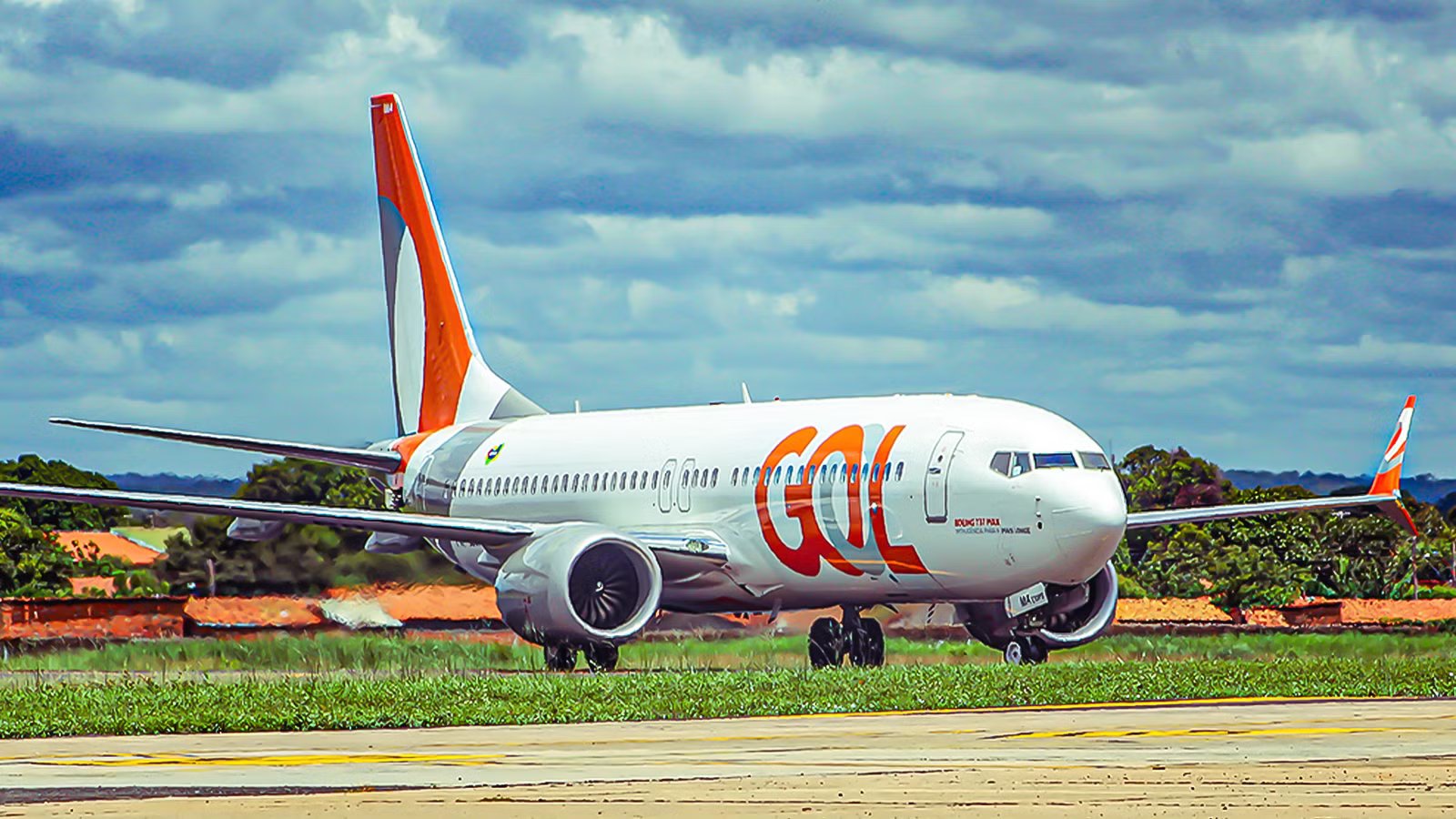
The Boeing 737 MAX is increasingly being used on longer routes that stretch well beyond traditional narrowbody missions. As airlines deploy the aircraft on transatlantic and other long-range services, questions around crew rest have become unavoidable. Unlike widebody aircraft, the 737 MAX was never designed with dedicated crew rest compartments. That forces airlines to find alternative ways to meet rest requirements while keeping the cabin functional.
Crew rest on narrowbodies is therefore less about comfort and more about practicality and compliance. Airlines must balance regulations, cabin layout constraints, and passenger experience on flights that can last eight hours or more. Instead, airlines are relying on proven workarounds that have been used for years on aircraft without dedicated rest facilities. These arrangements reflect how narrowbody operations are being adapted to missions they were never originally designed to fly.
What Does Crew Rest Normally Look Like On Widebody Aircraft?

On long-haul flights, rest for pilots and cabin crew is not optional. Regulations require structured rest periods, so crews can safely operate flights that last many hours. These rest breaks are built into duty schedules and supported by dedicated onboard facilities. Without proper rest, long-haul operations would not be possible, significantly limiting an airline’s reach and adding unnecessary stopover costs.
Crew rest areas are generally divided into two categories: pilot rest and cabin crew rest. Pilot rest compartments typically include one or two full-length bunks and sometimes an additional seat, offering a relatively quiet and comfortable environment. Cabin crew rest areas are usually more compact, often arranged in stacked bunk configurations to maximize space. While functional rather than luxurious, they allow flight attendants to lie flat and sleep during long segments.
Most modern widebody aircraft include dedicated crew rest areas, though there are exceptions such as the Boeing 767, which often lacks a purpose-built rest compartment. On the Airbus A350, the cabin crew rest is typically located at the rear of the aircraft and accessed by a staircase, with space for around six bunks, while the pilot rest is positioned near the front. The Airbus A330 and Airbus A340 commonly house cabin crew rest areas below the main cabin near the center of the aircraft, with separate pilot rest facilities located forward.
The Increasing Range Of The 737 MAX And Modern Narrowbodies

As aircraft technology has improved, the range of narrowbody jets has steadily increased. More efficient engines, lighter structures, and aerodynamic refinements have allowed single-aisle aircraft to fly routes once reserved for widebodies. At the same time, airline networks have shifted toward point-to-point flying rather than relying exclusively on large hubs. This has opened new long and thin markets that lack the demand to support larger aircraft but still justify nonstop service.
The Boeing 737 MAX and the Airbus A321XLR sit at the center of this trend. Within the MAX family, the 737 MAX 7 offers the longest range at roughly 3,800 nautical miles (7,040 km), while the more widely used 737 MAX 8 reaches about 3,500 nautical miles (6,490 km) compared with roughly 2,935 nautical miles (5,430 km) for the older 737 800. The A321XLR pushes even further, with a published range of around 4,700 nautical miles (8,700 km). Together, these aircraft have dramatically expanded what is possible for single-aisle operations.
Passenger perception has not always kept pace with these capabilities. Many travelers still view long narrowbody flights, particularly transatlantic crossings, as less comfortable than widebody service. That concern is understandable, especially on longer sectors. However, these routes are often designed to connect smaller city pairs directly, eliminating the need for a layover and offering convenience that outweighs the drawbacks.

The Complete Guide To The Boeing 737 MAX Family
Boeing has already built more than 1,700 aircraft from its next-generation narrowbody series.
Where Crew Slept On Aircraft Without Dedicated Crew Rest Areas

Even though most modern widebody aircraft include purpose-built crew rest compartments, some aircraft operate long flights without them. This raises the question of where crews rest on aircraft that lack dedicated facilities. In these cases, airlines adapt passenger seating to meet regulatory rest requirements. These solutions are practical rather than elegant, but they are effective and can easily be improvised when necessary.
One example is United Airlines’ Boeing 767 fleet. On aircraft without built-in crew rest modules, four dedicated economy seats at the rear of the cabin are used by flight attendants. These seats feature increased legroom, greater recline, a footrest, and are separated by a curtain to provide privacy. Pilots, typically operating with a crew of three, rest one at a time in a business class Polaris seat that can be curtained off from the rest of the cabin.
United uses an even more specific setup on its long Pacific narrowbody operation. The airline’s island hopper service, flown on specially configured Boeing 737-800 jets, connects Honolulu to Guam with five intermediate island stops and takes roughly ten hours end to end. Pilots operate as a crew of four, rotating duties in flight, with the resting pilots assigned to first class seats 1A and 1B, which offer exceptional recline. Because of this configuration, seats 2A and 2B cannot be sold, while cabin crew rest in the first row of Economy Plus seats that also provide extended recline.
What We Have Seen On The 737 MAX In The Past

One notable example surfaced on social media showing a GOL Linhas Aéreas Boeing 737 MAX 8 operating a long flight from Brasília to Orlando. The sector lasted roughly eight hours and twenty minutes. The post displayed how the crew managed to rest onboard, including using blocked economy seating and curtains to create a temporary rest area.
GOL is a Brazilian low-cost carrier known for operating a high-density, single-aisle fleet. The airline primarily flies domestic and regional routes, but it has used the 737 MAX to open longer international services thanks to the aircraft’s improved range and efficiency. These missions require augmented crews and onboard rest arrangements despite the aircraft lacking dedicated crew rest compartments. As a result, the airline has been forced to come up with some creative solutions to give its cabin crew a sufficient resting area.
In the Reddit images, a simple but effective solution was visible. A curtain was drawn across a section of economy seating to create a semi-private rest area for the crew. Flight attendants rested in blocked-off economy rows rather than designated bunks. While far from luxurious, this setup illustrates how airlines adapt cabin space on the 737 MAX to support longer missions that were once outside the scope of narrowbody aircraft.

What Are The Largest Boeing 737 MAX Fleets In The World?
US carriers make up a large share of the global 737 MAX fleet.
What 737 MAX Crew Rest Will Likely Look Like

For 737 MAX flights that require crew rest, the setup will likely mirror solutions that airlines have already used on long-range narrowbody operations. Without space for dedicated rest modules, carriers are expected to rely on modified passenger seating rather than purpose-built compartments. These arrangements have precedent and are already accepted by regulators when properly configured. As a result, future MAX operations will likely look familiar rather than revolutionary.
Many full-service airlines planning transatlantic narrowbody routes are equipping their aircraft with lie-flat seats in the premium cabin. These seats provide a suitable rest environment for pilots during augmented crew operations. Curtains or other privacy measures are typically used to separate the resting pilot from the active cabin. This approach allows airlines to meet rest requirements without sacrificing additional cabin space, ensuring they can retain passenger capacity and improve their yields.
For cabin crew, rest will most likely take place in designated rows within the economy cabin. These seats are usually blocked from sale and offer increased recline, legroom, and privacy. Curtains are often installed to separate the rest area from passengers. While basic, this setup remains the most practical solution for providing flight attendants with rest on long-range 737 MAX flights.
Emerging Crew Rest Concepts For Narrowbodies

Diehl Aviation has proposed a purpose-built solution to the crew rest challenge on long-range narrowbody aircraft. The concept is aimed specifically at jets like the Airbus A321XLR, which are expected to operate flights long enough to require onboard rest. Rather than relying on blocked passenger seats, the design introduces a dedicated rest module within the cabin. It reflects growing recognition that narrowbodies are being pushed into missions once reserved for widebodies.
The proposed layout places the crew rest module in the space between the first row of passengers and the forward left 1L entry door. The unit would integrate two fold-out bunks that deploy over the existing cabin crew jumpseats and into the forward galley area. When not in use, the bunks fold away, allowing the space to function normally during boarding and service. This approach minimizes permanent loss of cabin space while creating a true rest environment.
While innovative, the concept also raises questions about certification and safety. Integrating sleeping bunks into a high-traffic area near doors and galleys introduces complexity during normal operations and emergency scenarios. Certifying authorities would need to evaluate evacuation impact, structural integrity, and crew accessibility. Whether designs like this make it into service will depend on how convincingly manufacturers can address those concerns.