dailynewsnblog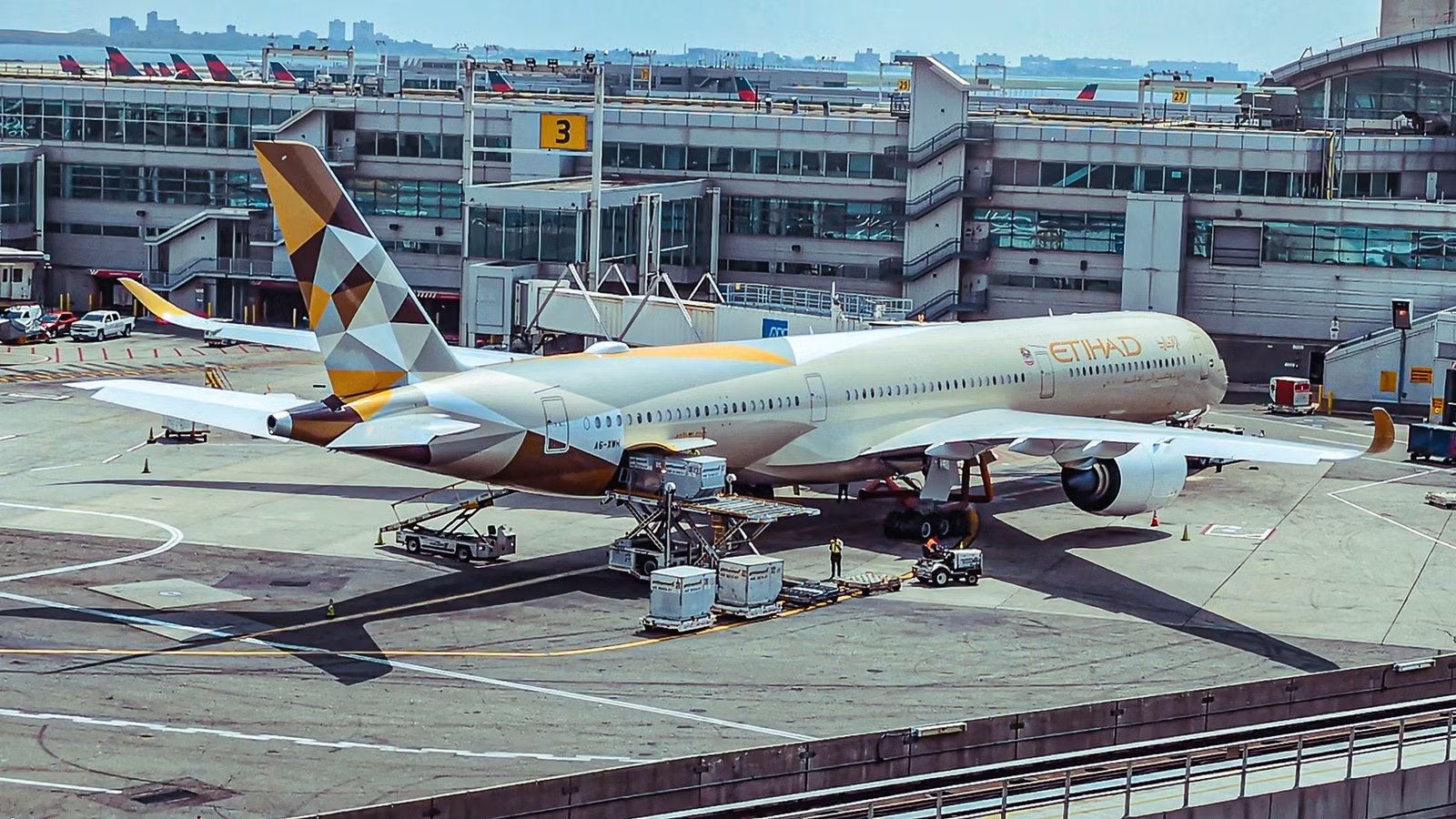
On most ultra-long-haul flights, resting for cabin crew does not typically mean just grabbing an empty row and hoping nobody needs water or another snack. Widebody aircraft like the Airbus A350-1000 are designed to carry extra staff, so that the team can rotate through planned breaks, staying sharp for service and, more importantly, for emergencies of all kinds. The trick is that the sleeping space is intentionally hidden from passengers behind unmarked doors and tucked above or below the passenger cabin, all while being separated from the bustle of economy seats. On most Airbus A350s, what passengers never notice is a mini sleep area that is accessed via a crew-only door in the galley.
Many analysts have documented that the entry to this sleeping area is typically at the rear galley, and cabin crew will climb up a compact staircase into the crew rest area rather than walking in at aisle level. Inside, it is a functional, dimly lit area filled with bunks, curtains, basic controls, and enough space for cabin crew to reset before going back to pouring coffee and handling call bells. We analyze how those rest spaces are laid out, what is inside of them, how rotations across crew members work, and why safety requirements shape everything from bunk sizes to seatbelts and oxygen deployment. It is also important to note that this crew rest area serves no flight control purpose, and it is equipped with no avionics.
A Sneaky Space With A Sneaky Entrance

The critical piece of the Airbus A350-1000’s cabin rest system is how easy it is for passengers to walk past this crew rest area without realizing that it exists. On most jets, the access point for this specific crew rest area is a discreet door that is in or near the aircraft’s rear galley. From there, crew members do not step into a room but rather climb. They head up a narrow staircase leading into a crown-area compartment above the passenger cabin. This vertical separation is pretty much the whole point of the cabin. This offers privacy and quiet for passengers without sacrificing a large chunk of prime cabin real estate at the aisle level.
Airlines also like the galley-adjacent placement because it is simple from an operational perspective. Working crewmembers can hand off duties, disappear for a timed rest period, and then rejoin the cabin without passengers even noticing. Since these spaces are strictly off-limits to customers, they are typically behind plain-looking doors that do not advertise what is behind them. Some who have visited these spaces describe them as being efficient and completely hidden from passengers who have no idea that there is a sleeping area onboard the jet.
One nuance that we will want to note is that Airbus A350 crew-rest layouts vary by carrier. Some jets place bunks directly above the cabin (in what many would call a crown configuration), while others put them below the main deck and have them accessed by ladders or stairs. The A350-1000’s role on long missions makes it one of the aircraft with the best-documented onboard crew rest areas.
Elevated Bunks, Privacy Curtains, And Advanced Controls

Once one has made their way up the stairs and into the crew rest area, the vibe resembles a compact sleeper car more than it does anything particularly luxurious. Most crew rests are structured with a small central entry space that opens into multiple bunk bays, typically arranged along the sides. Each bunk serves as its own little cocoon, with a mattress pad, a privacy curtain, and other basic features that matter more than people might think at hour 10 of a fifteen-hour flight.
Travel reporting on modern widebody flights describes the standard kit that one will find in these compartments, including bunks with seat belts, reading lights, and storage space for small personal items. These are all designed so that the crew can rest safely in turbulence and still be reachable when needed. Some setups include a small sitting area or jumpseat-like chair located near the entrance, alongside signage and controls that make it obvious this is a regulated space, not just a casual hangout.
These design priorities are also brutally practical, emphasizing darkness, quiet, and separation. Curtains do most of the psychological work, creating a sense of each passenger having their own space, even when bunks are located close together. The rest area architecture is designed for sleep density, not lounging. Premium cabins are built to impress the customer, so crew rests are built do exactly the opposite, as their principal job is to protect performance.

Why The Airbus A350 Has Such An Ultimate Passenger Experience
Discover why the Airbus A350 offers the ultimate passenger experience — quieter cabins, roomier seats, and comfort praised by flyers worldwide.
Planning Staffing And Break Cycles

Cabin crew rest only because long-haul flights are staffed above the minimum required headcounts. Airlines will roster extra flight attendants so that the team can split into working and resting groups, rotating through scheduled breaks while keeping enough crew in the cabin to handle service and respond to any abnormal situations that may arise. This rotation model forms the backbone of most long-haul crew operations, so that crewmembers are always available while some others rest in off-duty bunks.
One important thing to keep in mind is that crewmembers do not just sleep when the cabin is quiet. Crew rests are carefully planned when they are at their window, so that these individual windows will be long enough to make it possible for all crewmembers to sleep on marathon sectors. Most flight attendants will describe these spaces as simple, dark, and quiet, with the key detail being the seat belt, which one buckles while sleeping.
Crews really do use these compartments, even if they can be incredibly inconvenient. This system may seem complex, but it is necessary to ensure that cabin crew members are all available and alert for the entire flight. Long-range capabilities require extended duty times for cabin crew members, necessitating a dynamic system that ensures they can actually rest.
What Are The Safety Considerations Associated With These Kinds Of Spaces?

Crew rest compartments often look cozy in photographs, but they are also certified by safety agencies. Regulators are concerned about the potential impact of sleeping in a pressurized tube at cruising altitude on the human body. This leads to health considerations for flight attendants, such as the impact of oxygen availability, emergency lighting, and an environment that supports rest for cabin crew members who live miles above the Earth.
For a concrete benchmark, the FAA’s guidance on onboard sleeping quarters for augmented crews spells out typical design expectations, according to publications from the Department of Transportation. Bunks are expected to be around 78 by 30 inches (1.98 by 0.76 m). Privacy curtains or dividers improve the overall cabin crew experience, while temperature and airflow control are also key pieces of the puzzle. This system also calls for emergency-relevant announcements to quickly reach this compartment.
It is required in the United States that legacy carriers provide adequate sleeping quarters for passengers on certain long-haul routes, especially when pilots are scheduled to fly beyond specific thresholds. Cabin crew rest is not governed by that same clause, but is rather part of the broader long-haul safety logic, with fatigue management being treated as operational risk management, not comfort.

How Cabin Crew Rest & Sleep On Transoceanic Flights
Unveiling the hidden world of cabin crew rest on ultra-long-haul flights.
What Tradeoffs Are Made With These Spaces?

Putting a fully-equipped cabin crew rest area in the middle of an aircraft obviously comes along with some tradeoffs. Every crew-rest installation competes with something that earns money, such as seats or cargo. The space could also be used in a way that would improve the efficiency and quality of cabin service, such as galley volume, trolley space, or lavatory placement. This is why an Airbus A350 crew rest is highly configuration-dependent, with airlines choosing locations and sizes that fit their network stage lengths and cabin density priorities.
A straightforward example of how integrated these decisions are comes from the new production standards issued by Airbus for cabin work on the Airbus A350. The manufacturer, in some designs, relocated the cabin crew rest staircase to an upper crown flight-crew rest compartment as part of forward galley optimizations.
This move has come as many airlines have aimed to improve the quality of service in premium cabins. At the end of the day, airlines have to meet requirements for crew rest. However, they also want to optimize their setups to make service as efficient as possible.
Bottom Line On A350-1000 Crew Rest & Sleep Spaces

At the end of the day, it should not inherently come as a surprise to many passengers that crew members have a place to rest when operating ultra-long-haul services. What is a little more surprising to some is how elaborate the crew rest setups can be, especially on massive intercontinental widebodies like the A350-1000.
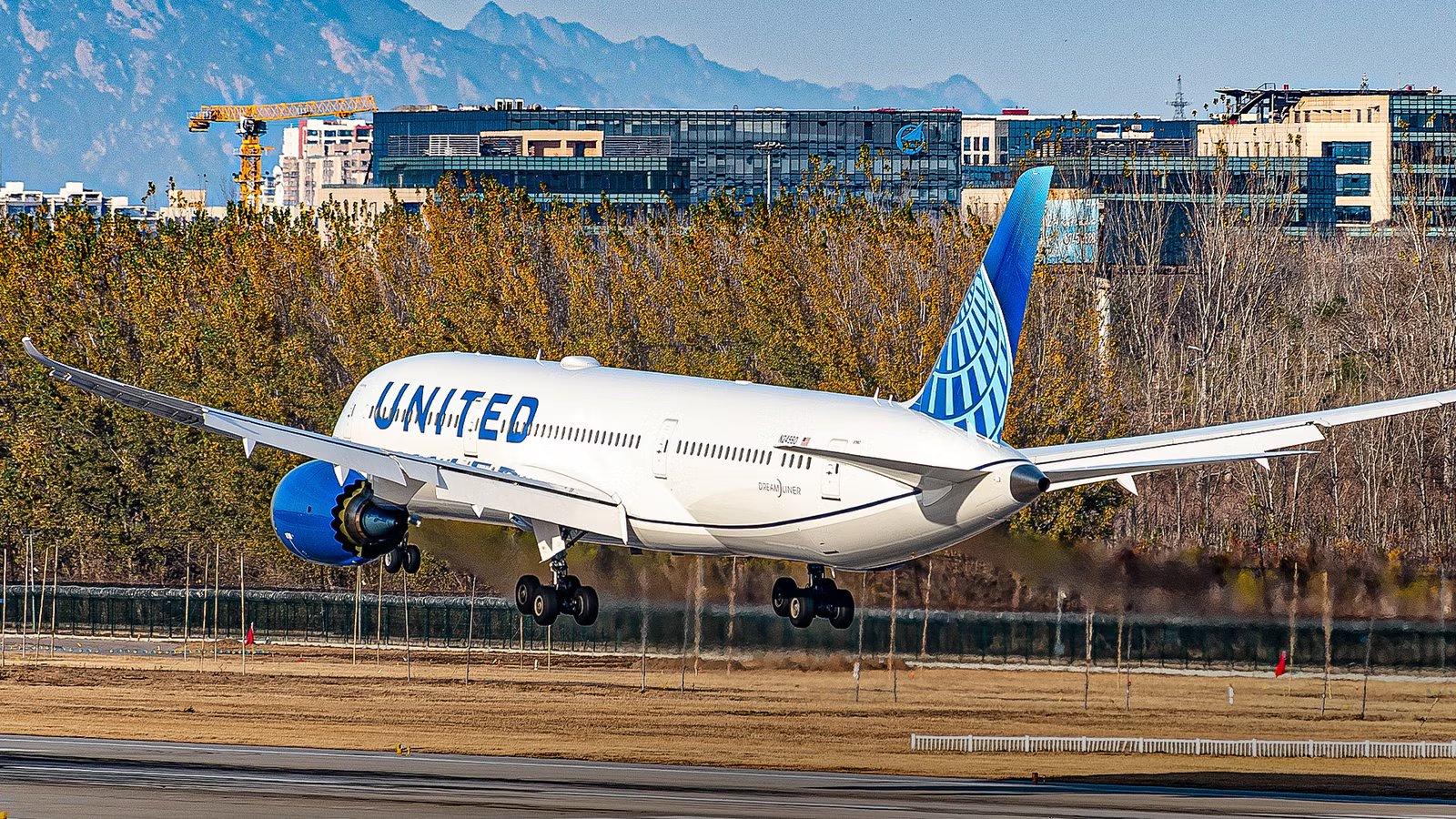
There are some examples of airlines that have decided against building dedicated crew rest areas and instead opted for somewhat more creative solutions. United Airlines, for example, reserves some seats on Boeing 767 models as crew rest. Specifically, four seats in the far back of many United 767s are configured as recliners with ample space for crew members to stretch out and relax.
For most Airbus A350s, however, the story is much less straightforward. The dynamic model offers impressive long-haul capabilities, and, looking to use the jet for extra-long sectors, airlines have to carefully plan how they will balance dynamic rest requirements for employees.