dailynewsnblog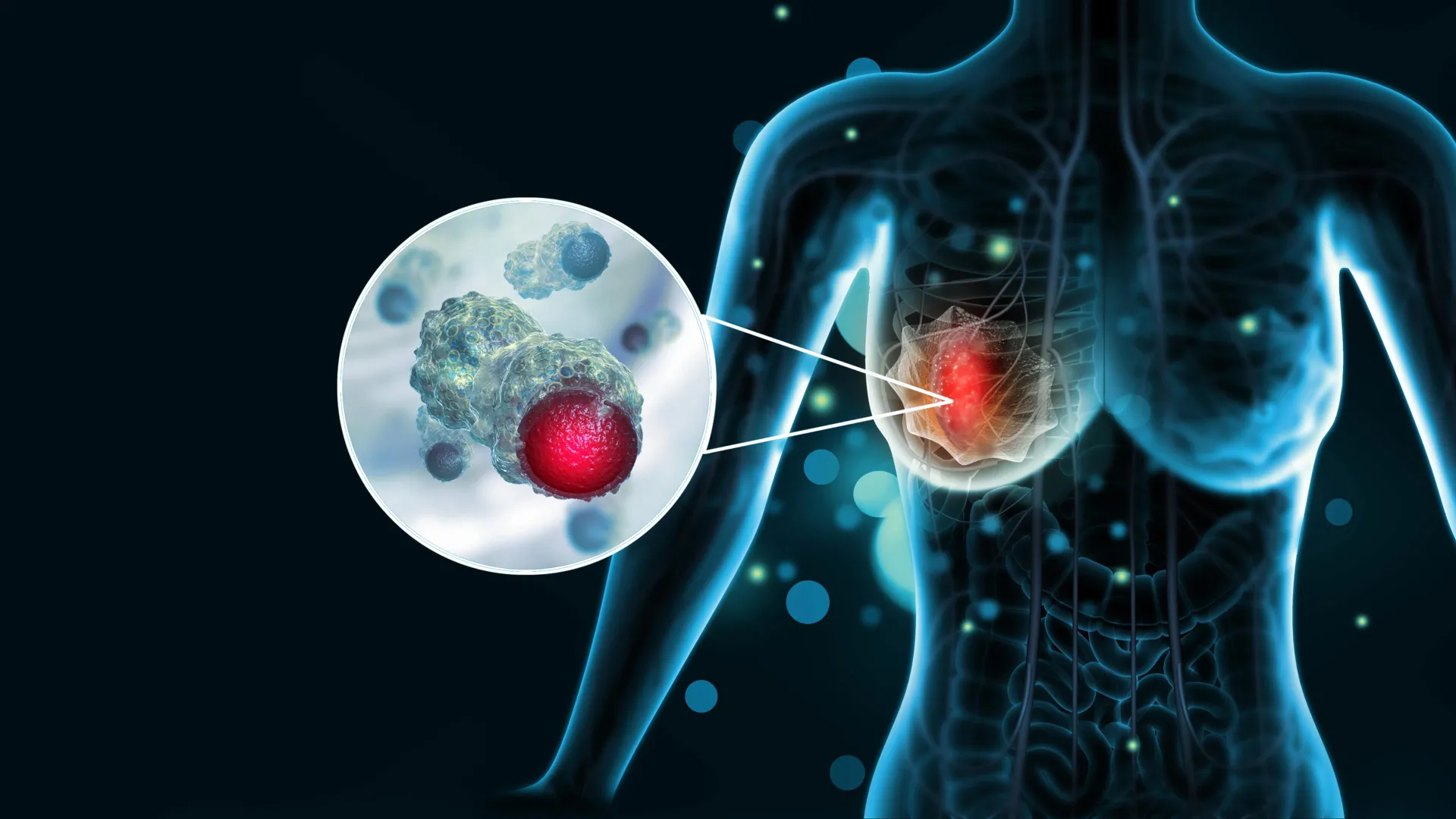
Breast cancer is the most commonly diagnosed cancer in women worldwide. According to the World Health Organization, about 2.3 million women were diagnosed with the disease in 2022, and roughly 670,000 died from it. While treatments have improved in recent years, some forms of breast cancer are especially aggressive and difficult to manage. One of the biggest challenges doctors face is the lack of reliable ways to predict how these fast-growing cancers will progress.
A new research initiative called Biomarker Research Integrating Data of Glyco-Immune Signatures and Clinical Evidence in Breast Cancer is working to address this gap. The project focuses on finding better ways to detect and treat aggressive breast cancer by identifying biological clues that reveal how the disease behaves in each patient.
These clues, known as biomarkers (measurable biological signals in the blood, tissues or other samples), can help doctors monitor how cancer develops over time and guide treatment decisions. For example, certain biomarkers might indicate whether a tumor is likely to grow quickly or respond to specific therapies.
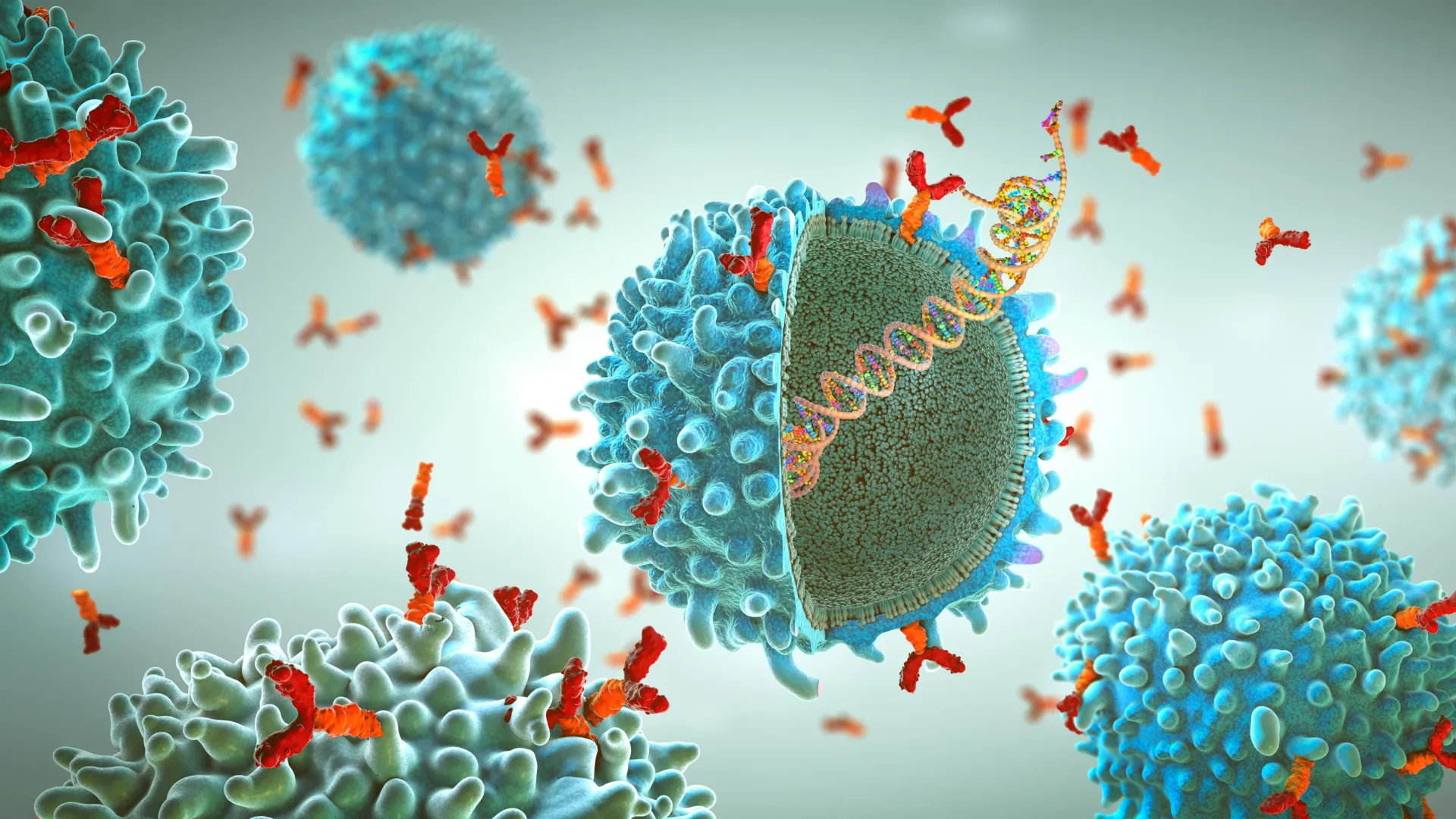
Studying How Tumors Interact With the Immune System
The project brings together researchers from Instituto de Tecnologia Química e Biológica António Xavier of NOVA University of Lisbon (ITQB NOVA) and the Portuguese Institute of Oncology (IPOFG — Instituto Português de Oncologia de Lisboa Francisco Gentil). Their work centers on understanding how cancer cells interact with their surroundings, often referred to as the tumor microenvironment.
This environment includes not only cancer cells but also nearby immune cells, blood vessels, and other supporting structures. The team is especially interested in small molecules found on the surface of cells in this environment. These molecules may play a key role in helping tumors avoid detection by the immune system, effectively allowing the cancer to grow unchecked.
Unlocking the “Communication” Between Tumors and Immune Cells
“We have previously identified how tumors communicate with certain cells of the immune system to protect themselves,” explains Catarina Brito, leader of the Advanced Cell Models laboratory at ITQB NOVA. She continues, “with BRIDGE we aim to validate these findings using real patient samples and translate this knowledge into clinical applications.”
To do this, the IPOFG will supply patient samples and help confirm whether the findings hold up in real-world clinical settings. This step is critical for turning laboratory discoveries into practical tools that doctors can use.
“By finding new biomarkers, we hope to contribute to more precise therapies,” Catarina concludes.
Toward More Personalized Breast Cancer Care
By gaining a deeper understanding of how tumors escape immune attack, researchers hope to open new paths for diagnosing and treating breast cancer. This includes identifying biomarkers that can be used to track the disease and developing new therapeutic targets that could lead to more effective treatments.
Ultimately, the goal is to move toward more personalized care, where treatments are tailored to the specific characteristics of each patient’s cancer rather than relying on a one-size-fits-all approach.
Funding and Future Impact
The BRIDGE project is supported by the iNOVA4Health Lighthouse Projects (LHP) 2025 program, which funds research with strong potential to move from the lab into clinical practice. By encouraging collaboration between scientists, clinicians, and technology experts, the initiative aims to accelerate progress in addressing major health challenges.
Over the next two years, the project will receive up to €75,000 to support its work. Researchers hope this investment will help speed up the development of new strategies to better understand, monitor, and treat some of the most aggressive forms of breast cancer.