dailynewsnblog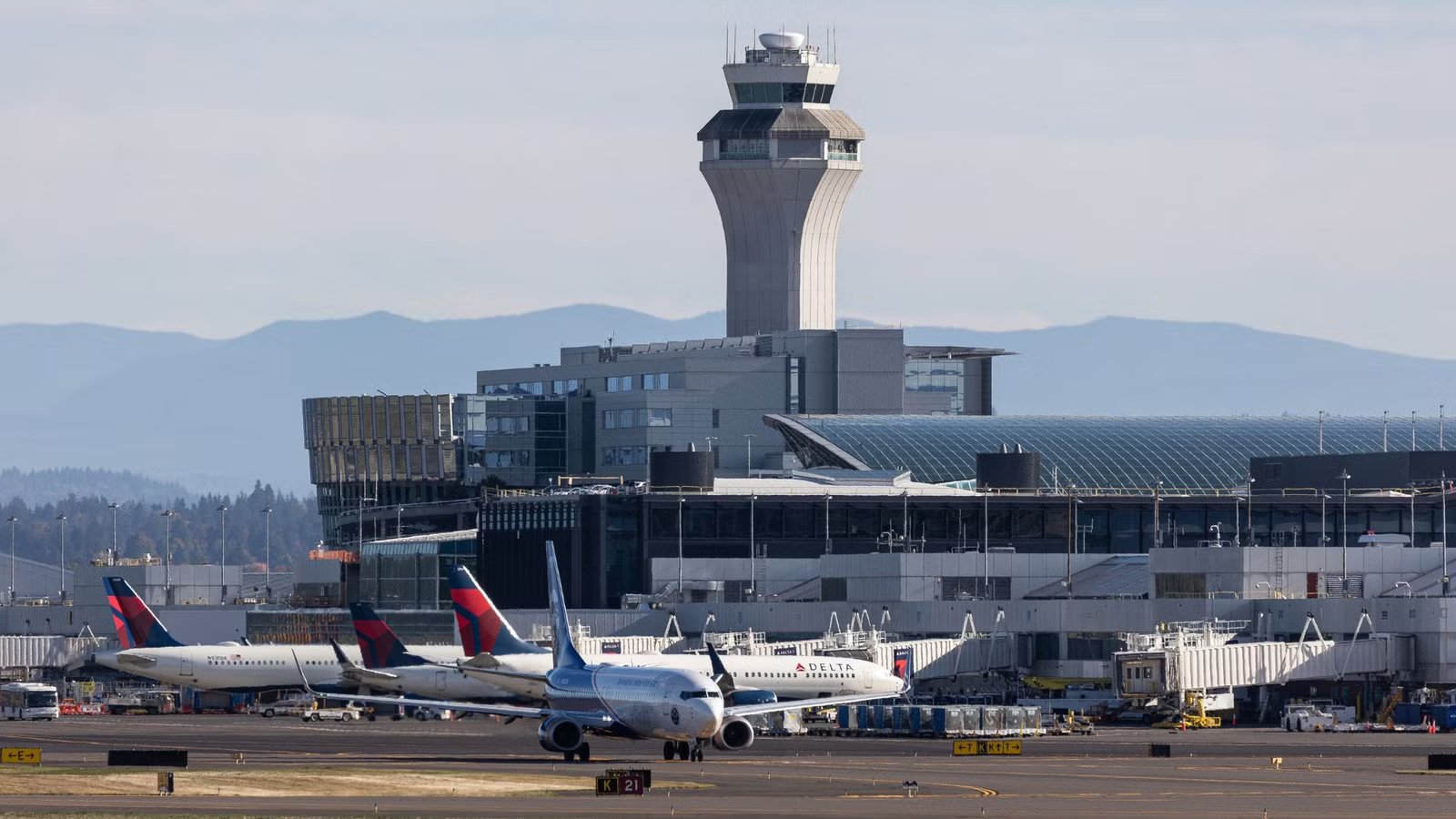
In mid-November 2025, a passenger boarded a  Delta Air Lines aircraft after passing airport screening with a meat cleaver in his possession. The incident occurred at Portland International Airport, where the blade had gone undetected during routine security checks. The weapon was discovered only after boarding, prompting an immediate response from the flight crew and authorities. Despite the seriousness of the breach, the passenger was not arrested after investigators found no evidence of malicious intent.
At the time, the event raised sharp questions about how a clearly prohibited item could bypass standard screening procedures. Initial reports outlined the basic facts, but recently released video footage has provided a clearer picture of how the failure unfolded. The new material shows the passenger’s path from the security checkpoint to the aircraft cabin.
How The Weapon Passed Through Security Undetected

The video shows the passenger carrying a shopping bag containing a meat cleaver as he moves through the security checkpoint. Screening personnel failed to flag the item during inspection, allowing the passenger to continue unimpeded to the departure gate. He then boarded the aircraft along with other travelers. The presence of the cleaver was only discovered after boarding was completed.
Once alerted, the flight crew notified authorities, and the aircraft was prevented from departing. All passengers were required to leave the plane so that a full security sweep and rescreening could be conducted. The disruption resulted in a significant delay but no injuries. Officials later confirmed the cleaver should have been detected under existing screening standards. In a statement released, the Transportation Security Administration (TSA) said:
“TSA is aware that a passenger departing Portland International Airport on Thursday passed through the security checkpoint with a meat cleaver in their carry-on bag.”
Why Authorities Chose Not to File Criminal Charges

Although carrying a meat cleaver through a checkpoint violates security rules, arrest decisions often depend on intent and cooperation. Investigators determined the passenger had purchased the item legally and did not attempt to threaten the crew or travelers. He reportedly complied immediately once the issue was identified. As a result, authorities treated the matter as a security failure rather than a criminal act.
Aviation security specialists note that most enforcement actions focus on deliberate concealment or hostile behavior. In cases where intent is absent, confiscation and administrative review are more common than prosecution. The incident has renewed debate over screener workload, training consistency, and reliance on imaging technology. Even isolated failures can expose vulnerabilities in layered security systems.
Following the incident, the Transportation Security Administration initiated an internal review, while the airline coordinated with officials to resume operations and reassure passengers, to ensure the incident and any potential lapse were dealt with efficiently and professionally.

How Are CT Scanners Changing Airport Security?
Airport security technology has changed greatly over the last 25 years.
What The Incident Reveals About Aviation Security Gaps

The release of the video months later has renewed public attention on the case. Viewers can clearly see the sequence of events that allowed the cleaver to move through multiple layers of airport security without detection. Labor representatives have cited the incident as an example of systemic pressure on screening staff, particularly during high-volume periods. No public details have been released regarding any disciplinary outcomes.
Large-bladed weapons rarely make it past checkpoints, making this case unusual by historical standards. The Transportation Security Administration has stated that screening procedures are continuously updated in response to identified gaps. Future improvements may involve additional training or adjustments to screening technology. The incident remains a reference point in discussions about aviation security resilience.
While the situation ended without harm, it underscores how a single breakdown in screening can cause widespread disruption and weaken public confidence in air travel security. Even isolated failures can prompt delays, rescreening, and operational ripple effects across an airline’s network. Incidents like this also tend to attract heightened scrutiny, increasing pressure on both security agencies and airlines to demonstrate accountability and corrective action.