dailynewsnblog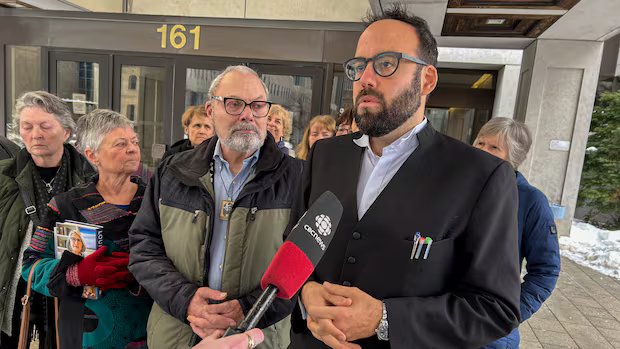

Listen to this article
Estimated 4 minutes
The audio version of this article is generated by AI-based technology. Mispronunciations can occur. We are working with our partners to continually review and improve the results.
An Ottawa man who pleaded guilty to manslaughter in the death of his ailing husband has been sentenced to two years less a day of house arrest for an act the judge called “in every respect an assisted-suicide mercy killing.”
Philippe Hébert, 74, killed his husband of 40 years, Richard Rutherford, on April 15, 2022, inside the Smyth Road home the couple shared. Rutherford was 87 and suffering from multiple health problems including a recent cancer diagnosis.
During sentencing at the Ottawa Courthouse on Tuesday, Justice Kevin Phillips said he accepted that Rutherford wanted to die and had asked his husband to help him.
Throughout his trial, Hébert has maintained that Rutherford, a former principal dancer with the Royal Winnipeg Ballet, had “lived a good life” but wanted to “give up.”
The judge at the end of the day recognized the humanity in these circumstances that I think was apparent to all.– Defence lawyer Solomon Friedman
Last September, on the eve of his murder trial, Hébert pleaded guilty to the lesser charge of manslaughter. Crown prosecutors argued he should go to prison for six years, while his defence asked for two years.
Phillips said despite the killing being “close to murder,” Hébert was honouring the “last wish” of his husband and friend. Rutherford had the mental capacity to make that decision, and given his medical condition it was understandable, the judge said.
Phillips also noted that apart from this event, Hébert has been a model citizen and poses “no threat to society.”
As part of his sentence, Hebert will be confined to his home for all but three hours per week.
‘Very, very tragic circumstances’
Outside court, Hébert’s lawyer Solomon Friedman said the judge was right in his assessment.
“Obviously [these were] very, very tragic circumstances, but the judge at the end of the day recognized the humanity in these circumstances that I think was apparent to all,” Friedman said.
Hébert told the 911 dispatcher on the night of his husband’s death that Rutherford, who had multiple health issues including a recent cancer diagnosis, had asked him to end his life.
Hébert, who admitted to being tired and stressed by Rutherford’s deteriorating condition, had previously feared Rutherford would die isolated in hospital because of COVID-19, or be forced into a long-term care facility.
“[I] didn’t want to be without him,” Hébert told the court during sentencing submissions in January.

Friends, supporters back Hébert
Hébert told court in January he had no regrets about granting his husband’s wish, except for the legal consequences that ensued.
Throughout his earlier court appearances and again on Tuesday, Hébert has been accompanied in the courtroom by a large group of friends and other supporters who knew both men, including some of their neighbours.
Monique Lebrun, a former physiotherapist who attended court with several of Hébert’s former colleagues, said he had been “nothing but kind” during their 30 years of friendship.
“I’m happy that he’s able to have the house arrest and be able to continue to get the support that he’s gonna need in the next couple of years,” she said outside the courthouse.
“We will always be there for Philly. Whatever he needs, we’re happy to do it.”
If you or someone you know is struggling, here’s where to look for help:
If you’re worried someone you know may be at risk of suicide, you should talk to them about it, says the Canadian Association for Suicide Prevention. Here are some warning signs:
- Suicidal thoughts.
- Substance use.
- Purposelessness.
- Anxiety.
- Feeling trapped.
- Hopelessness and helplessness.
- Withdrawal.
- Anger.
- Recklessness.
- Mood changes.