dailynewsnblog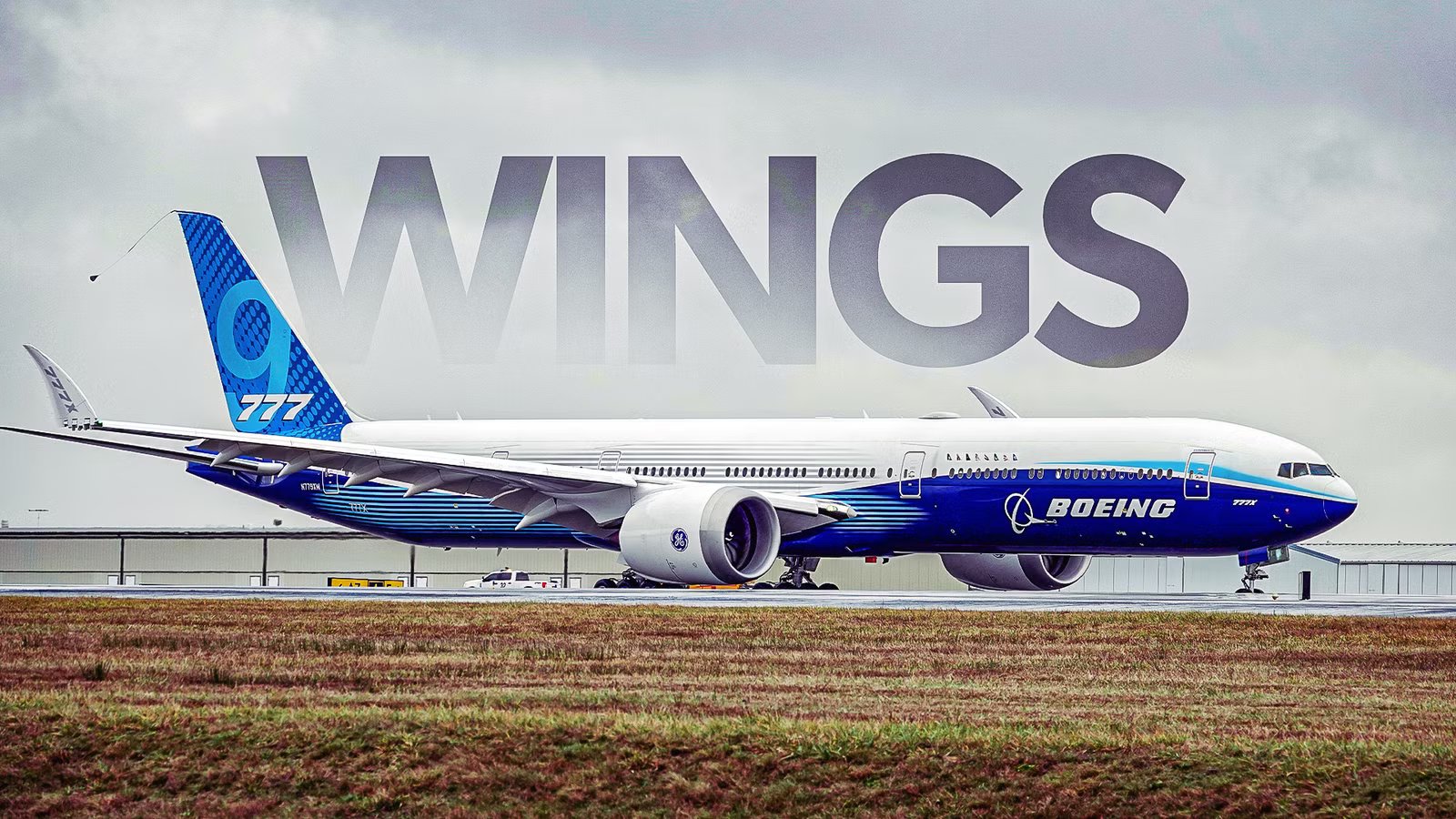
The Boeing 777X may appear to be simply an updated version of Boeing’s long-standing 777 family, which has carried nearly four billion passengers on more than 16 million flights since entering service with United Airlines in June 1995. However, one feature stands out to anyone watching the aircraft taxi or prepare for departure: its unusual folding wingtips. Unlike other widebody aircraft, the outer parts of the 777X’s wings can actually fold up when the plane is on the ground.
While this concept may seem strange for a commercial airliner, the design has a very practical purpose. A while back, Simple Flying explored how the 777X’s new composite wing makes it more efficient and performs better than the older 777 models. But the folding wingtips raise another important question: why did Boeing choose to design them this way in the first place? In this guide, we will look closely at why the 777X’s wingtips differ from those on other widebody aircraft, how the folding mechanism operates, and why this feature could influence the future of commercial aircraft design.
Why The Boeing 777X Has Folding Wingtips

The Boeing 777X stands out from other commercial planes because it has folding wingtips, which is a pretty rare design choice. When the plane is on the ground, the outer parts of each wing fold upward, giving the aircraft a unique look while taxiing or parked at the gate. This feature was added to address a practical issue created by the aircraft’s huge wingspan. Simply put, the 777X’s wings are so large that they would not fit at many airport gates without a way to reduce their width when on the ground.
According to Boeing’s technical specifications, the 777X has a wingspan of 235 feet (71.8 meters) when fully extended in flight, but 212 feet (64.9 meters) while on the ground, making it the largest wing ever attached to a commercial aircraft. The reason for this design comes down to efficiency. Boeing said the aircraft incorporates “new breakthroughs in aerodynamics and engines,” helping the 777-9 achieve “20% lower fuel use and emissions” compared with the aircraft it is designed to replace.
Longer wings help planes fly better by reducing drag and giving more lift, which means they use less fuel on long trips. However, this larger wingspan would normally place the aircraft in a higher airport compatibility category, meaning many airports would need costly upgrades to accommodate it. According to the manufacturer, the aircraft is designed for “seamless integration with the 777 and 787 Dreamliner families,” meaning airlines can introduce the aircraft without dramatically changing existing infrastructure.
How The Folding Wingtip Mechanism Works

The folding wingtips on the Boeing 777X may seem dramatic, but the system behind them is quite simple. Aviation professionals on the knowledge platform Aviation Stack Exchange explain that the outer part of each wing is hinged, allowing it to rotate upward when the aircraft is on the ground. This reduces the wingspan after landing and during taxiing, making it easier to maneuver around airports and park at standard gates meant for slightly smaller widebody aircraft.
In the cockpit, pilots control the system with a dedicated switch on the overhead panel. According to Aviation Stack Exchange, this switch lets the flight crew extend or retract the wingtips depending on whether the aircraft is preparing for flight or operating on the ground. The wingtips must be fully extended and locked in place before takeoff. This ensures the wing acts as a single aerodynamic surface during flight.
The mechanism includes a heavy-duty hinge and locking system with multiple safety layers. Once extended for flight, large locking pins secure the wingtip, preventing movement under aerodynamic loads, as noted on Aviation Stack Exchange. Sensors and cockpit alerts also check that the wingtips are fully deployed before takeoff. This means the aircraft cannot safely depart unless the system confirms both wingtips are properly locked, adding an extra layer of safety.

The Boeing 777X’s Folding Wings: How It Works
The Boeing 777X’s innovative design feature has captured global attention. But how do these folding wings actually work?
Why The 777X Needed Longer Wings Than Previous 777 Models

The folding wingtips on the Boeing 777X let it fit into regular airport gates, but the real reason for that design is because the plane has much longer wings. Making ultra-long-haul routes more efficient required making big changes to the aerodynamics. A good way to make an aircraft more efficient is to increase its wingspan. This helps the wing generate more lift and reduce drag at cruising speed.
The new aircraft is quite different from the earlier 777 models. This wing design, which is longer and narrower, improves the aircraft’s aerodynamics by raising its aspect ratio. This change lets the jet glide through the air more smoothly and use less fuel. These aerodynamic changes help reduce fuel burn per seat by around 10 to 20 percent compared to other planes in its class.
The new wing also marks a big technological step forward for Boeing. Unlike the earlier 777 models that mostly used aluminum for their structures, the 777X wing is made with carbon-fiber composites, which are lighter and stronger. As Simple Flying reported previously, this allows the huge wings to bend a lot during flight, sometimes curving more than 20 feet upward due to air pressure. This flexibility helps the aircraft maintain smooth air flow over the wing.
How The Folding Wingtip Helps Airports Handle The 777X

The folding wingtips on the Boeing 777X are made to fix a real problem with airport space. Since this aircraft’s wings are a lot longer than the older 777 models, many airports would have a hard time fitting them in with their current taxiways and gates. When the aircraft is on the ground, folding the outer parts of the wings reduces its wingspan, so it can use airports designed for older widebody jets.
According to airport design standards from the International Civil Aviation Organization (ICAO), aircraft are grouped into different size categories based largely on their wingspan. When the 777X spreads its wings fully while flying, it usually fits into the bigger Code F group, just like aircraft such as the Airbus A380. When the wingtips are folded on the ground, the aircraft actually fits within Code E limits, which is the same category used by the Boeing 777-300ER and quite a few other long-haul widebodies. This lets airlines bring in the aircraft without airports having to redo taxiways, gates, or parking stands.
|
Aircraft |
Wingspan |
ICAO Airport Code |
What It Means For Airports |
|
Boeing 777X (Wingtips Extended – In Flight) |
~235 feet (71.8 meters) |
Code F |
Falls into the largest aircraft category, but the folding wingtips help it operate at airports designed for current 777 aircraft |
|
Boeing 777X (Wingtips Folded – On Ground) |
~212 feet (64.9 meters) |
Code E |
Allows the aircraft to use gates and taxiways designed for existing 777 aircraft |
|
Boeing 777-300ER |
~212 feet (64.8 meters) |
Code E |
Standard infrastructure already available at many major international airports |
While developing the plane, Boeing looked at hundreds of airports worldwide to ensure the aircraft would fit and work smoothly with current airport layouts after folding its wings. The folding process occurs quickly during normal operations, which helps the aircraft taxi and park without disrupting airport traffic. The 777X is still undergoing testing and certification before it starts flying with airlines, but since it’s based on the 777 design, most international hubs that already operate 777 aircraft should have no problem handling it without needing many changes.
How Regulators Approved Folding Wingtips

One of the questions aviation enthusiasts often ask is how regulators like the Federal Aviation Administration (FAA) ended up approving something as unusual as folding wingtips on a big commercial plane. For Boeing, certifying this feature meant showing it was just as safe and reliable as a fixed wingtip throughout every part of the flight.
Since the usual aircraft certification rules under Title 14 of the United States Department of Transportation’s regulations didn’t account for big transport aircraft with foldable main wings, the FAA created some special conditions just for the 777‑8 and 777‑9. These conditions meant Boeing had to prove that the wingtips stayed locked in place during flight and that the flight crew would get several independent warnings if the wingtips weren’t set correctly for takeoff. The rules also say the mechanism has to work safely in strong winds and can’t move by accident during a flight.
Regulators also needed to make sure the design worked well even in tough ground conditions, like strong gusts of wind and crosswinds while taxiing. Since the folding wingtips change the main lifting surface of the aircraft, the FAA made sure that their proper position is key for safe flying during the certification process. So, Boeing’s submission had a thorough analysis and testing data showing that the tips could only move on the ground, and while flying, they would act like a solid, unmovable part of the wing.
Could Folding Wingtips Become More Common On Future Aircraft?

Folding wingtips let aircraft have the aerodynamic advantages of longer wings without causing problems at airports with limited space. These wings fold back against the aircraft’s body, letting it fit into regular gates without trouble while still giving better lift and saving fuel when flying.
The system runs completely on its own, with safety locks and cockpit alerts that make sure the wingtips are in the right place before takeoff. Airlines get more flexibility, and airports can handle bigger aircraft without spending a lot on renovations.
As materials become lighter and hinges get more reliable, folding wingtips might start showing up on future long-range jets and freighters. This innovation lets designers focus on making things efficient and high-performing without worrying about airport limitations.




![PlayerUnknown reckons he can take back the term ‘metaverse’ because ‘It’s just been co-opted by certain people… like, I still use Twitter because f**k [Elon Musk]’](https://dailynewsnblog.com/wp-content/uploads/2026/03/64NdzPcZyoUGEg8gM83UEe-1920-80.jpg)