dailynewsnblog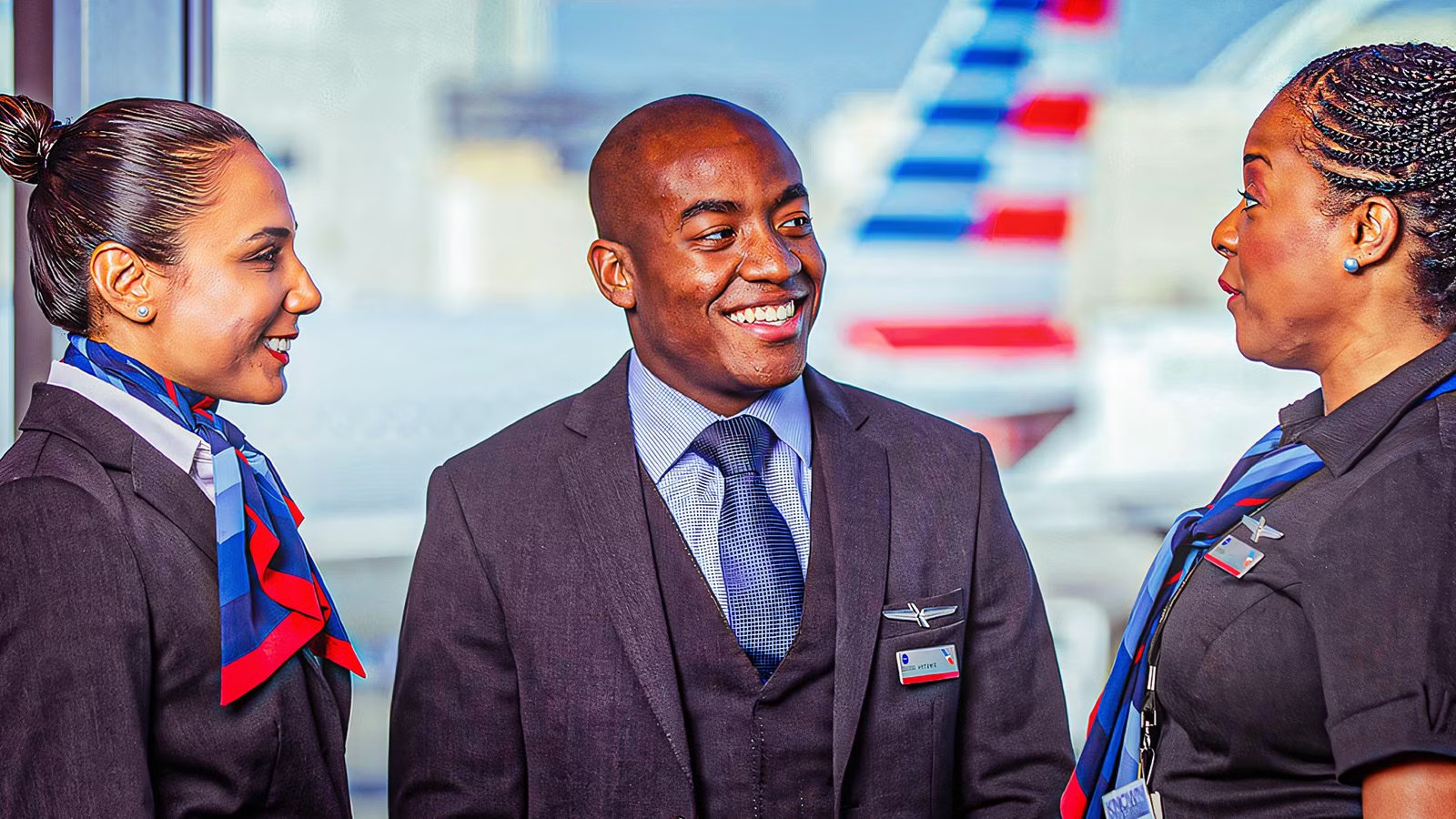
As passengers step onboard an aircraft, they are greeted by a smiling flight attendant, who will check their ticket and point them in the direction of their seat. Furthermore, flight attendants in the cabin will assist with finding space for your baggage. These interactions may seem fleeting and just good customer service, but there is much more going on than you may think.
Flight attendants are trained to observe every passenger carefully when boarding the aircraft to note if anyone may require special assistance or help. Also, they are observing for any signs of behavior that might be a threat to what should be a safe and efficient flight.
Passengers are observed for the purpose of safety and security prior to take-off, but also during the flight for many different reasons. Let’s take a look in more detail.
Looking For Disruptive Passengers

The primary function of observing passengers during boarding is to look for disruptive passengers. Signs of intoxication, anger issues or entitlement can all have the potential to lead to a disruptive passenger during the flight. It is important for flight attendants to assess passengers who may cause issues later and try and stop the problem before it starts. Today, we hear of cases of disruptive passengers on flights, almost on a daily basis, somewhere in the world. If a passenger appears drunk, aggressive or drugged or displays unusual behavior, they can be offloaded prior to take-off.
Disruptive passengers cause a huge inconvenience to everyone onboard and can cause a threat to safety. This could mean an injured passenger or crew member and is a threat to safety; therefore, trying to detect disruptive passengers early on is taken very seriously. Of course, it is much easier to offload a disruptive passenger than to allow them to cause issues during the flight and divert the aircraft. Disruptive passengers can be restrained by the crew during the flight, the flight crew will divert to the nearest suitable airport and the aircraft will be met by a security team.
Incidents of disruptive passengers continue to rise. Aviation authorities such as the Federal Aviation Administration (FAA) are responding more to this issue by fining passengers and having them pay diversion costs of anywhere between $15,000 and $100,000.
Disruptive passengers can also be banned from flying and prosecuted. In 2024, there were over 2,100 cases of disruptive or unruly passengers reported by US airlines, and the Irish Aviation Authority recorded 1,432 ‘events’ compared to 426 in 2023, according to RTE. In 2024, Switzerland’s Federal Office of Civil Aviation reported some 1,730 cases.
Special Assistance

Flight attendants also look for anyone who might need extra help or assistance during boarding, disembarking, or during the flight. This could include a person with reduced mobility, wheelchair users or someone who is visually or audibly challenged. The flight attendant working in their seat area will brief the passenger as necessary and provide extra assistance. They will also be more aware of the passenger, as in an emergency evacuation, they would need more help.
Others requiring special assistance may include the elderly, injured or a parent with infants or young children. Unaccompanied Minors (UNMINs) would also fall into this category and have an assigned flight attendant to take care of them. All of these passengers may require extra assistance during the flight, and if an emergency evacuation were to occur, so flight attendants have to be very aware of where they are seated.
Flight attendants also look out for nervous flyers who might appear agitated at the prospect of a flight. This is very common, and they will move you to an aisle seat in the center of the aircraft if available. This is the aircraft’s center of gravity, and there is less turbulence than at the rear of the aircraft. They may also seat you near a flight attendant, who can have eye contact with them or explain what some of the noises and motions of the aircraft are. According to the Cleveland Clinic, over 25 million adults in the US have a fear of flying.

How Is The TSA Addressing People’s Fear Of Flying?
The TSA has teamed up with Alaska Airlines, San Jose International Airport, and the Pacific Autism Center for Education for a special initiative.
The Importance Of The ABP

When boarding, flight attendants will look for Able Bodied Passengers (ABPs) who can help in an emergency evacuation, planned or unplanned. They have to be physically fit, without any physical limitations, speak English, and be willing to follow the instructions of the crew. In an unplanned emergency, they may be asked to help passengers off at the bottom of the slide, hold up a deflated slide for continued use, or guide passengers away from the aircraft.
In a planned emergency, for example, a technical issue requiring a possible emergency landing , ABPs will be briefed by the flight attendant on how to operate the emergency exit if a crew member is incapacitated. They will also brief them on checking outside conditions and how to inflate the slide if it doesn’t automatically inflate. With an emergency landing on water, they will be briefed on assisting others into the life raft.
Those seated on the emergency exit row are often briefed by flight attendants during boarding. They must be able to lift out the emergency exit, speak English or the native local language, and be willing to help in an emergency. If not, they can be re-seated. Typical ABPs may include people with professions such as firefighters, law enforcement officers or those with physical occupations that are used to following strict guidelines. Of course, off-duty pilots and flight attendants are ideal ABPs as they are already trained in safety and emergency procedures.
Medical Emergencies

During boarding, flight attendants will look to see if any passenger has visible signs of illness. Since the pandemic, the aviation industry has become more aware of the spread of communicable diseases such as COVID-19, Measles, and Norovirus. In such an enclosed environment, these diseases can be easily transmitted. If a passenger is suspected of carrying a disease, they can be offloaded prior to the flight as a threat to safety.
Some passengers who have cardiovascular issues, breathing problems, and those who are heavily pregnant will need a doctor’s letter to say that they are fit to fly. During the flight, flight attendants are constantly scanning the cabin, even during service, for any passenger who may become sick. There can be visual cues that someone is sick, or the passenger may say that they feel unwell. It is estimated that one in every 212 flights has a medical emergency, according to the National Institute of Health. Of these, diversion occurred in 1.7% of cases due to neurological or cardiovascular conditions, and 0.4% resulted in death onboard.
Flight attendants are fully trained to deal with a medical emergency and are trained to perform CPR and use a defibrillator. Most airlines also have access to on-the-ground medical professionals, such as MedAire, who can help diagnose and offer treatment advice or say if it is necessary to divert. They offer a 24/7 lifeline to help with in-flight medical emergencies. Medical doctors are noted on the passenger information list, but are not always used in a medical emergency.

How This Company Helps Flight Attendants Handle Inflight Medical Emergencies
Very important training for all flight attendants.
Other Considerations

Passengers do sometimes drink alcohol or take medication before a flight and flight attendants will be aware of that. If something is amiss, pre-flight, the passenger can be offloaded. Although most passengers don’t cause an issue, flight attendants can refuse to serve alcohol to a passenger if they believe that they are too intoxicated. Also, if passengers bring their own alcohol on board to drink, this is strictly prohibited and will be confiscated.
Smoking or vaping is also strictly prohibited, and anyone found doing so will be fined. All lavatories are equipped with smoke detectors, and tampering with them is an offense. Flight attendants monitor the cabin and are also trained to observe for possible human trafficking events or those carrying drugs internally. Passenger dynamics and behavior are observed at all times, whether a group has been drinking pre-flight and is a little rowdy or a young family is struggling with small children.
Flight attendants also take notice of passengers who talk through the safety demonstration, play with their phones and do not watch it, or wear headphones throughout it. This shows that those passengers may not know what to do in an emergency evacuation. It also shows possible non-compliance with the crew’s instructions, should an emergency situation occur.
In Conclusion

Safety is the most important role of a flight attendant and at the heart of all training and flights. Passenger comfort and service is secondary, and the aim is always for a safe and efficient flight. Flight attendants use emotional intelligence and situational awareness to assess potential issues and evaluate the situation.
Flight attendants are trained to observe passengers during the boarding process. This is in order to spot any potential hazards or risk that might later threaten the safety of the passengers, crew, or the aircraft. This is the first line of defense regarding disruptive passengers, which are still on the rise. They are also looking for passengers who may be sick with a communicable disease or more unusual things, such as drug mules and potential human trafficking.
They look for ABPs to assist them in a planned or unplanned emergency, and any person who may require special assistance. During the flight, flight attendants look for unusual behaviors or group dynamics and assess the risk. Medical emergencies do occur onboard aircraft and flight attendants are fully trained to deal with such events and scan people for signs of illness. Those few seconds during boarding may seem just a politeness, but there is an awful lot more involved than most people will know.