dailynewsnblog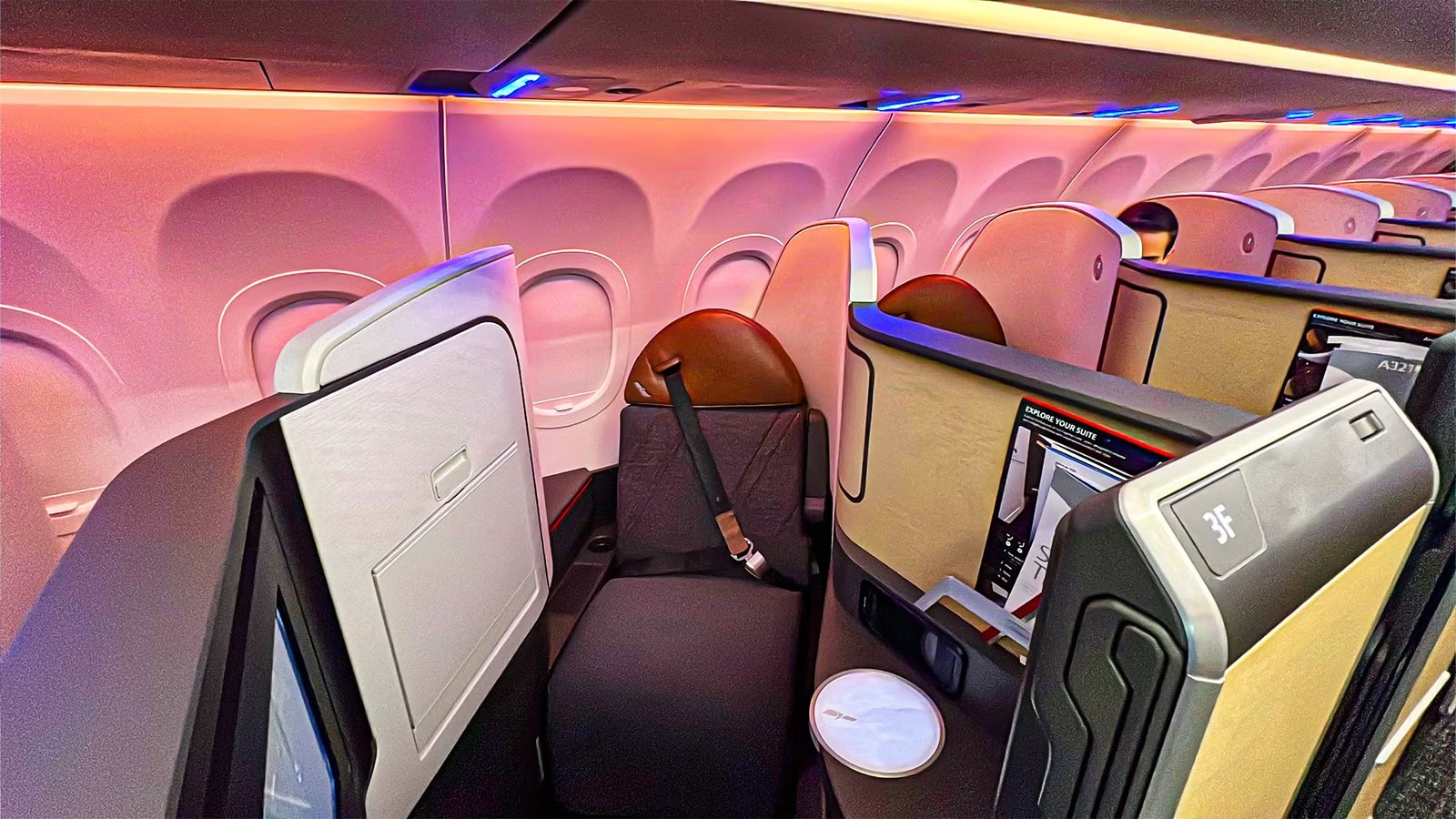
Legacy airline seats are typically designed and stay inside one specific aircraft type. A carrier typically designs a flagship business-class product around the fuselage width of an aircraft, its door geometry, and its galley layout. The certification quirks of a specific aircraft typically make it challenging for any seat to be placed on multiple different models.  American Airlines has elected to take a different approach for its Flagship Suite, its latest premium product. Instead of a seat attached to a specific aircraft, this branded experience will now travel across the airline’s long-haul fleet, ranging from massive Boeing 777s to, most notably, the long-range Airbus A321XLR. This matters as the American Airlines network is increasingly built around matching capacity to demand.
The airline makes great efforts to use widebodies where demand is thick and stage lengths are extreme, while long-range single-aisle aircraft are more valuable, especially when they have higher premium densities. The result here becomes a rare crossover moment in commercial aviation, one where the same signature business-class suite is not exclusive to a single airframe itself. American Airlines first rolled the product out on the Boeing 787-9 before moving it onto the Airbus A321XLR, a narrowbody jet built to stretch transatlantic-style missions. In practice, this means that the story of a new aircraft seat is not really about revealing a new cabin but rather underscoring a strategic shift. The product itself is thus deployed on different aircraft and is done so in a manner that allows the carrier to offer a consistent premium experience without being trapped by a single long-haul platform.
A Suite Branding That Stretches Across The Airline’s Fleet

American Airlines signaled that it would be moving in this direction years before passengers ever set foot in these cabins. When the airline unveiled its new Flagship Suite concept in 2022, it framed the product as a new standard for premium demand that would be tied to new deliveries of both the Airbus A321XLR and the Boeing 787-9, dropping an early hint that the seat was meant to travel across the fleet. This framing is undoubtedly important.
Instead of treating narrowbody and widebody premium cabin experiences as separate universes, American is trying to make its Flagship Suite product a more recognizable top-shelf product across different aircraft and missions. From a strategic perspective, the airline is helped in two key ways. For starters, this uniform branding and experience make it easier to market the product, as customers know exactly what they are getting. This can then be offered on both Dreamliners and premium transcontinental services.
Second, this helps American’s broader push to regain premium momentum against rival carriers Delta and United. This applies because consistency is part of what high-yield travelers pay for. In other words, the seat itself is doing double duty, as it is a cabin product and a competitive tool. This is why the headline is not just that a new suite was launched, but that a new suite has become the standard for premium travel for the airline.
A Shift From Market Debut To Industry Standard

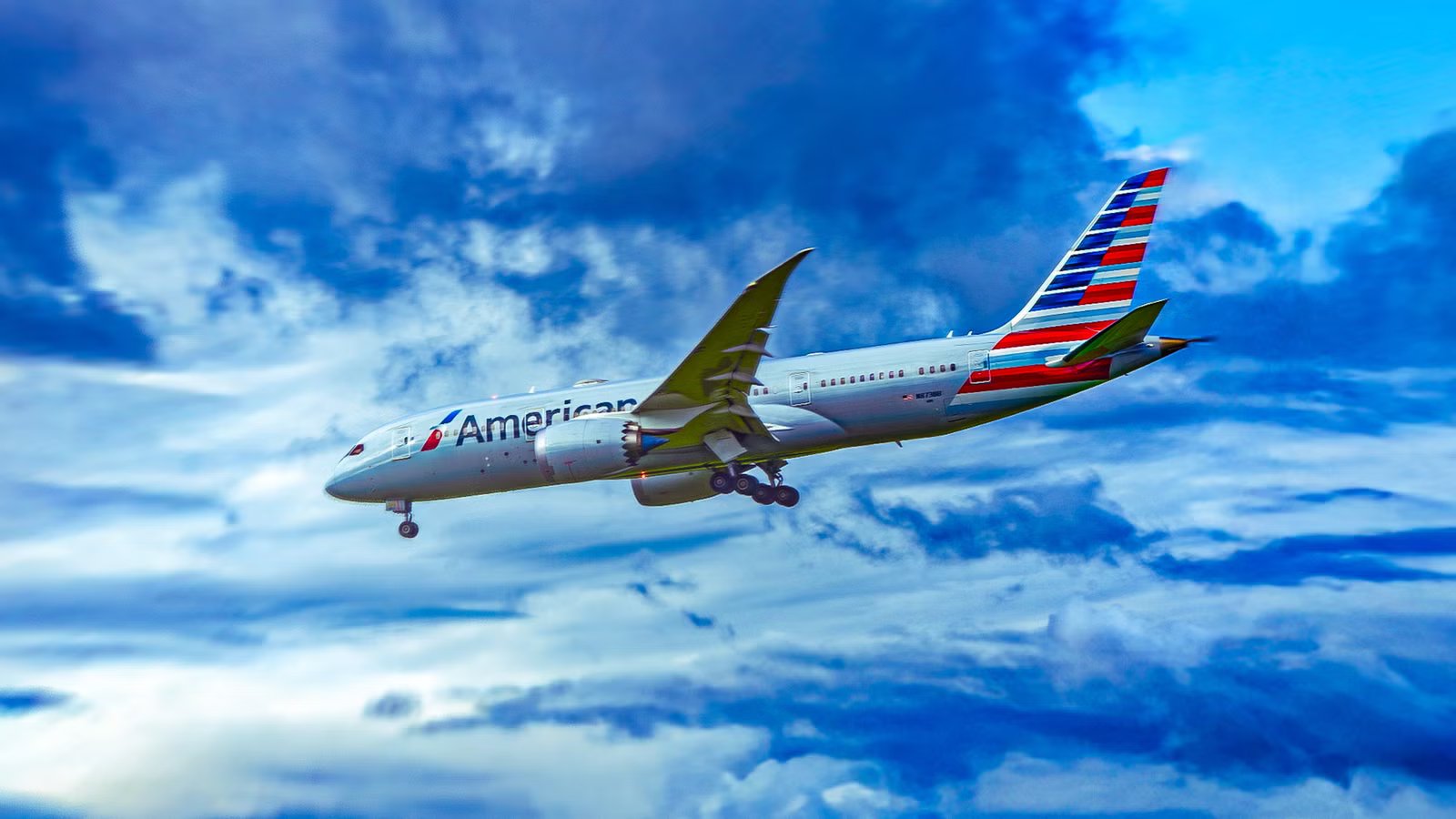
The first real-world testbed for this aircraft was American Airlines’ new  Boeing 787-9 configuration, where these Flagship Suites arrived and entered service as part of a broader cabin refresh and a clear statement about where the airline wants its premium business to go. The legacy airline highlighted suite-specific touches, such as storage, charging, power options, and a distinctive chaise lounge seating option.
The airline has consistently noted that, per its surveys of customers, the details are critical for these kinds of long-haul products. Third-party reviews also highlight the aircraft’s industry-leading pitch, with some arguing that it is best in class. Seat pitch represents the distance between a point on one seat and the seat in front of it. Passengers can also enjoy generous seat width and a comfortable lie-flat bed. The key takeaway is pretty much that American Airlines not only has a true product but also a template that it will look to replicate across its fleet.
Once an airline has been able to certify this kind of seat, the supply chain and onboard service choreography, all of which are dialed into one platform, will become easier to scale for a consistent premium identity, especially if one is trying to modernize the perception of its fleet across a massive global network. The Boeing 787-9 launch was the proof of concept for this kind of cabin, with the Airbus A321XLR now proving that the concept can easily be transferred across models.

What Are The Benefits Of Flying In American Airlines’ New Flagship Business Class?
Uncover the secrets behind American’s new Flagship Business Class and how it stacks up against the competition.
Strong Support From The American Airlines Leadership Team

The American Airlines leadership and management team have been incredibly supportive of these latest moves made by the airline’s strategy team. The Airbus A321XLR, for starters, is where this story gets very unusual. A long-range narrowbody aircraft that is already a network disruptor and capable of flying thinner, premium-leaning routes, the jet does not need a widebody’s seat count. American Airlines is thus pairing this new aircraft concept with a flagship-style suite, a move which it believes could improve loyalty monetization and premium fare yields.
At the airline’s Airbus A321XLR preview event at New York’s John F. Kennedy International Airport (JFK) on December 11, the airline’s Chief Commercial Officer, Nat Pieper, put the strategy very cleanly. In a statement published on LinkedIn, the airline leader laid out the airline’s strategy with the following words:
“AA will be the first US airline to fly the A321XLR, and we’re the only global airline to offer business, premium economy, and the main cabin experience aboard this special plane. The XLR features American’s Flagship Suite. Our best-in-class lie-flat seat. We debuted it earlier this year on the Boeing 787-9, and the XLR will have that as well.”
The airline then added its own commentary, analyzing how the Airbus A321XLR had already debuted the cabin on transcontinental routes, in a manner that re-emphasized the carrier’s premium narrative. It analyzes premium economy as the middle cabin, and a refreshed main cabin following behind. That specific mix is the point, as American Airlines is not simply adding a new plane but rather exporting a widebody-grade business-class identity onto what is otherwise a single-aisle aircraft.
What Exactly Does This Flagship Cabin Offer?

Once one strips away the branding that American Airlines is trying to add to its product, it is clear that what separates the Flagship Suite is how this product attempts to combine three things that travelers usually trade off, such as privacy, space efficiency, and consistency across aircraft. The original announcement positioned the seat around a privacy-door concept, personal storage, and other features that make the aircraft more suite-like than traditional business-class cabins.
On the Boeing 787-9, American Airlines leans into that by treating the suite as the new center of gravity for its premium long-haul product offering, something which is supported by cabin tech upgrades and a broader marketing push that connects routes and product in more than one story. On the Airbus A321XLR, the same general promise shows up in a different context, with premium transcontinental flying available on long-and-thin international routes where customers are still looking for lie-flat seats, but the market is incapable of sustaining widebody operations.
Coverage of the Airbus A321XLR’s cabin notes a practical wrinkle, as sliding doors do exist for all models, but they are yet to be made immediately operational. This is an example of how the same suite concept can run into different regulatory and implementation timelines as it may move from aircraft to aircraft. Flagship Suite is less about one exact seat shell and more about having a reputable premium toolkit, one that emphasizes privacy-forward design, lie-flat comfort, and a unified experience American deploys wherever the revenue math may work.

American Airlines To Reportedly Introduce Mattress Pads On Long-Haul Flights
Another move in the carrier’s push to become more premium.
What Are American’s Competitors Doing In Response?

Delta Air Lines has already elected to position its Delta One Suite (which features doors) as its new signature product, expanding it across key widebody families like the Airbus A350 and the Airbus A330-900neo, while also leaning into a broader premium playbook. United Airlines is responding with its United Elevated Boeing 787-9 interior, which upgrades Polaris into door-equipped suites and adds a more premium-heavy cabin mix to compete for long-haul demand and high-end transcontinental travelers.
JetBlue also looks to differentiate itself on the narrowbody side. The airline offers Mint Suites on the Airbus A321LR for transatlantic services, offering a boutique, high-service approach that can command a premium in high-demand markets.
At the same time, carriers are also putting money behind the soft stuff as well. They are not hesitating to invest in things like lounge expansions, upgraded catering, and tighter elite-benefit ecosystems that are meant to help lock in repeated high-spending travelers. The net effect here is ultimately an arms race that focuses on privacy and consistency of product offerings.
What Is Our Bottom Line When It Comes To All This?

With this new cabin, American Airlines is not just unveiling a new seat but rather making the Flagship Suite a transferable brand across its entire fleet, one that can live on both a widebody aircraft and a long-range narrowbody. This portability undoubtedly matters as it lets the airline sell a consistent premium promise while right-sizing capacity by route instead of tying to a single aircraft type.
The Airbus A321XLR deployment of this product highlights the strategic importance of having a uniform branding experience, especially across international services and high-yielding domestic routes. The unique aircraft supports both an Airbus A321XLR business class and economy-class cabin, highlighting how it is truly a workhorse.
The challenge for American Airlines now turns mostly to execution. The carrier knows that its competitors are building suites, putting it in a position where it must incorporate such products in order to remain competitive. If this works, customers will look to book Flagship Suites recurrently, never worrying about what particular product might appear on their given flight.