dailynewsnblog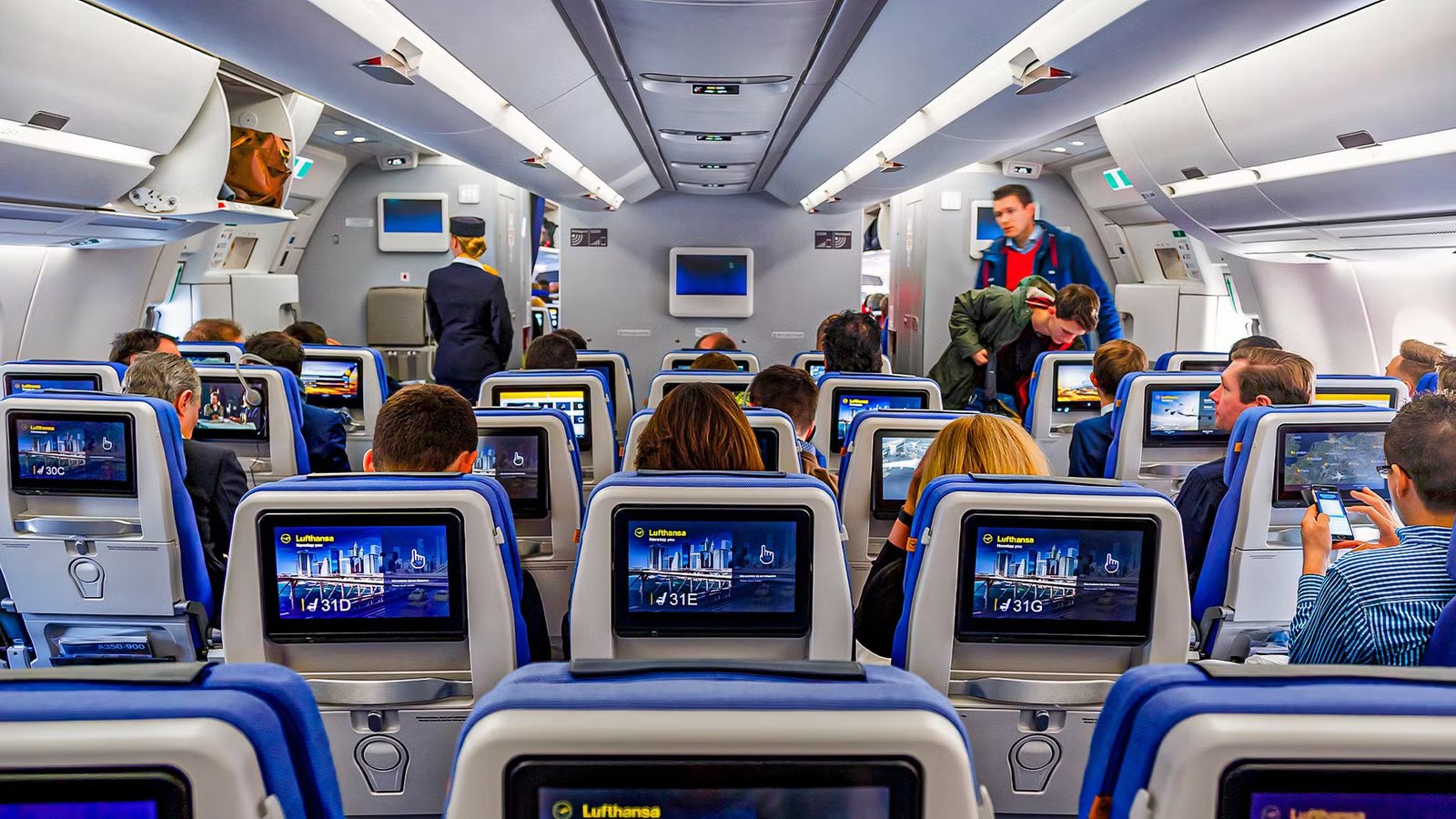
Premium Economyair travel has changed significantly over the past two decades. In the past, most aircraft cabins were divided simply into economy, business class, and first class, with a large gap between affordable and premium travel. Today, airlines have introduced more nuanced cabin products to bridge that gap, creating additional tiers within the economy section itself. One of the most imperative additions is premium economy, a cabin class designed to provide noticeably more comfort than standard economy while remaining far cheaper than business class. This middle-tier product has rapidly expanded across global airlines, especially on long-haul international routes.
Standard economy still dominates the back of the aircraft, offering affordable seating with basic amenities and tight seat spacing. Premium economy, however, offers several upgrades, such as wider seats, increased legroom, enhanced meals, and a quieter cabin environment. While these improvements may appear modest at first glance, they can make a significant difference on long flights. Airlines are increasingly investing in premium economy cabins because many travelers are willing to pay slightly more for extra comfort without the high cost of business class. In fact, industry trends show a growing demand for this “middle market” experience, which offers an elevated travel product at a relatively accessible price point.
A Brief History Of The Premium Economy Class

Premium economy may feel like a modern airline product, but the concept has been evolving for more than 30 years, as explored in our recent coverage. For much of aviation history, airlines operated simple cabin layouts with just two options: first class and economy. While this system worked for decades, airlines eventually realized that many travelers wanted something more comfortable than economy without paying the high price of first class.

The Premium Economy Boom That Expanded Fast Is Now A Revenue Staple
Once considered a niche experiment, Premium Economy has matured into one of the most strategically imperative cabins in commercial aviation.
The idea of a middle-tier cabin began gaining traction in the late 1970s when airlines introduced business class. This proved there was strong demand for intermediate travel options that balanced comfort and affordability.
The true predecessor of premium economy arrived in 1991 when EVA Air launched “Evergreen Class” on its Boeing 747-400 aircraft. The cabin featured wider seats, extra legroom, and a dedicated section positioned between economy and business class.
Other airlines soon followed with similar concepts. Over time, the product evolved into today’s premium economy cabin, now widely available on long-haul aircraft worldwide.
Premium Economy Sits Between Economy And Business Class

The most basic difference between premium economy and economy is where the cabins are located on the aircraft. Premium economy is typically positioned between business class and the main economy cabin, often separated into its own dedicated section. This placement helps create a quieter and more exclusive atmosphere compared with the large economy cabin behind it.
Economy Class, by contrast, occupies the majority of the aircraft’s seating capacity. On large widebody aircraft such as the Airbus A380 or Boeing 777, economy cabins may contain hundreds of passengers. Because of this density, the overall environment tends to be busier during boarding, meal service, and disembarkation.

Cathay Pacific Airbus A350-1000 Economy Vs Premium Economy: Features Compared
How to decide whether to splash out on Premium Economy or stick with Economy on Cathay A350 long haul routes.
Premium economy cabins are usually smaller, which means fewer passengers share the space. This can make the experience feel more relaxed and sometimes allows for slightly better service from cabin crew, as each flight attendant is responsible for fewer passengers. This difference in cabin size and placement immediately changes the overall travel experience, even before considering seat comfort or amenities.
Premium Economy Costs Significantly More

The biggest drawback of premium economy is the price. Premium economy tickets are typically around 85% more expensive than standard economy fares, although the price gap can drop closer to 35% depending on booking timing and availability.
In real-world travel scenarios, passengers often report paying 1.5 to 2 times the price of a standard economy ticket for premium economy. For example, a traveler might find economy tickets priced around $900 while premium economy seats on the same flight cost roughly $1,500.
However, premium economy remains significantly cheaper than business class, which can cost several times the price of economy. Because of this pricing structure, many travelers see premium economy as a compromise between comfort and affordability. It allows them to enjoy a noticeably better experience without spending thousands of dollars on premium cabins.
A TikTok video comparing premium economy and standard economy sparked mixed reactions from viewers, highlighting how divided travelers are about the upgrade. Some commenters praised the product. One wrote, “Premium economy on American for flights to Europe have the same seats as American’s domestic first class seats. WORTH IT.”
Others were more critical. One user commented, “It’s a huge rip-off, typically 50–80% more in cost and the product varies greatly across airlines.” The debate reflects a common reality: whether premium economy is worth it often depends on the airline, price, and flight length.
Premium Economy Seats Are Nicer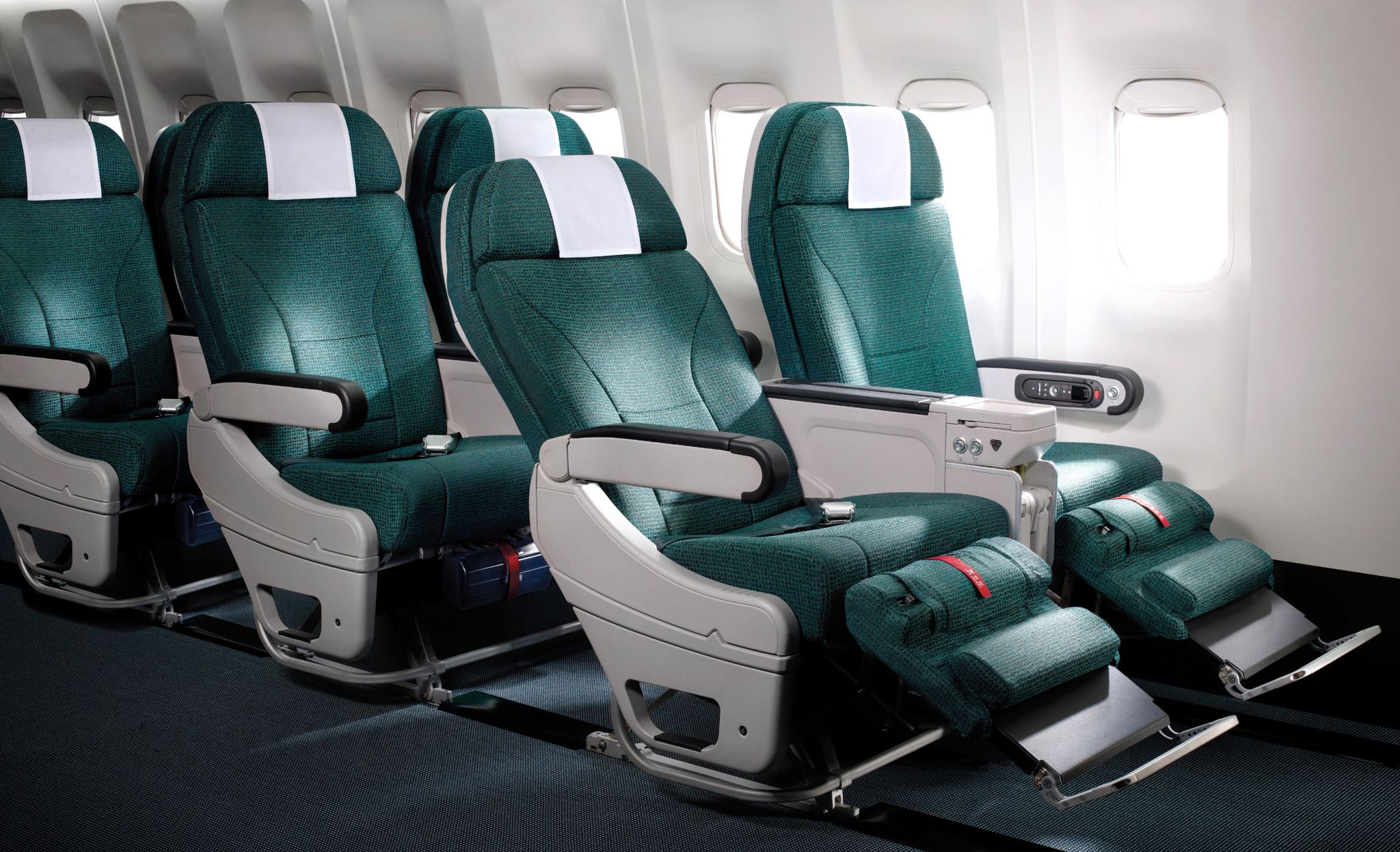
Seat dimensions represent the biggest physical difference between economy and premium economy.
|
Standard Economy |
30 – 32 Inches (Seat Pitch) |
|
Premium Economy |
35 – 40 Inches (Seat Pitch) |
Standard economy seats typically provide 30 to 32 inches of seat pitch, which is the distance between rows. This spacing allows airlines to fit more passengers into the aircraft, but can feel cramped during long flights.
Premium economy seats generally offer five to seven additional inches of legroom, giving passengers around 35 to 40 inches of pitch depending on the airline. This extra space allows travelers to stretch their legs more comfortably and makes it easier to adjust position during long flights.
Take the difference between economy and premium economy seats on the  Emirates Airbus A380 as an example.
|
Feature |
Economy |
Premium Economy |
|
Seat Width |
17.9 Inches |
19.5 Inches |
|
Seat Pitch |
32 Inches |
40 Inches |
|
Recline |
4 Inches |
8 Inches |
|
Cabin Layout |
3-4-3 |
2-4-2 |
|
Seat Features |
Four-way Headrest with Standard Tray Table |
Six-way Headrest, Calf Rest, Footrest, Woodgrain Tray Table |
|
Entertainment |
13.3″ HD Screen with USB Power |
13.3″ HD Screen with USB Power |
In summary, premium economy on the Emirates Airbus A380 offers noticeably more space and comfort than standard economy. Seats are wider and provide significantly more legroom and recline, while the cabin layout has fewer seats per row, creating a less crowded environment. Premium economy seats also include additional comfort features such as calf rests, footrests, and upgraded materials. Economy seats still offer modern entertainment screens and power outlets, but they are arranged in a denser configuration with less personal space and fewer premium touches.
Premium Economy Offers Better Amenities And Meals

Beyond seat comfort, premium economy typically includes a higher level of service than standard economy. Economy passengers generally receive basic refreshments, such as snacks and beverages, and sometimes meals, depending on the route. Long-haul flights often include meal service, but the options are limited and usually served with disposable utensils.
Premium economy passengers often receive upgraded dining experiences. Airlines may serve meals on real tableware with metal cutlery and provide a broader selection of beverages. Some carriers also offer:
- Amenity kits with eye masks, toothbrushes, and toiletries
- Larger pillows and blankets
- Complimentary alcoholic beverages
- Priority boarding or check-in
For example, premium economy services on the Emirates Airbus A380 feature meals served on china tableware with stainless-steel cutlery, along with upgraded beverage selections including sparkling wine. While these amenities do not match the luxury of business class, they add noticeable comfort compared with the standard economy experience.
Airlines Are Investing Heavily In Premium Economy

Delta Air Lines | Simple Flying
One reason premium economy has become more common in recent years is strong passenger demand. Airlines increasingly view this cabin class as a profitable “middle ground” between economy and business class. Instead of simply maximizing seat numbers, carriers are now focusing on offering a range of products that appeal to different budgets and travel preferences.
For example, Emirates is retrofitting aircraft to include premium economy cabins even if they did not originally offer them. In some cases, dense economy seating is being reduced to make space for this mid-tier product, which can generate higher revenue per seat.
The growing popularity of premium economy reflects broader changes in passenger behavior. Many travelers are willing to pay slightly more for extra comfort, particularly on long-haul flights, creating what industry analysts describe as a “third space” between budget travel and luxury cabins. As a result, premium economy is expected to continue expanding across airline fleets worldwide.