dailynewsnblog
In addition to efficiency, a nuclear-electric propulsion system has the benefit of using conventional plasma thrusters. But instead of using solar power to energize the thrusters’ xenon fuel, SR-1 will use electricity generated from a nuclear reactor.
“Our nuclear program, SR-1, is not about going and lobbying for billions of dollars to undertake a brand-new mission,” Isaacman said. “Honestly, we haven’t won the right to be able to do that after $20 billion worth of failed programs over time. This is why we’re taking hardware that we already have, a reactor that’s mostly built, fuel that’s mostly paid for over time.”
Credit:
Lanteris Space Systems
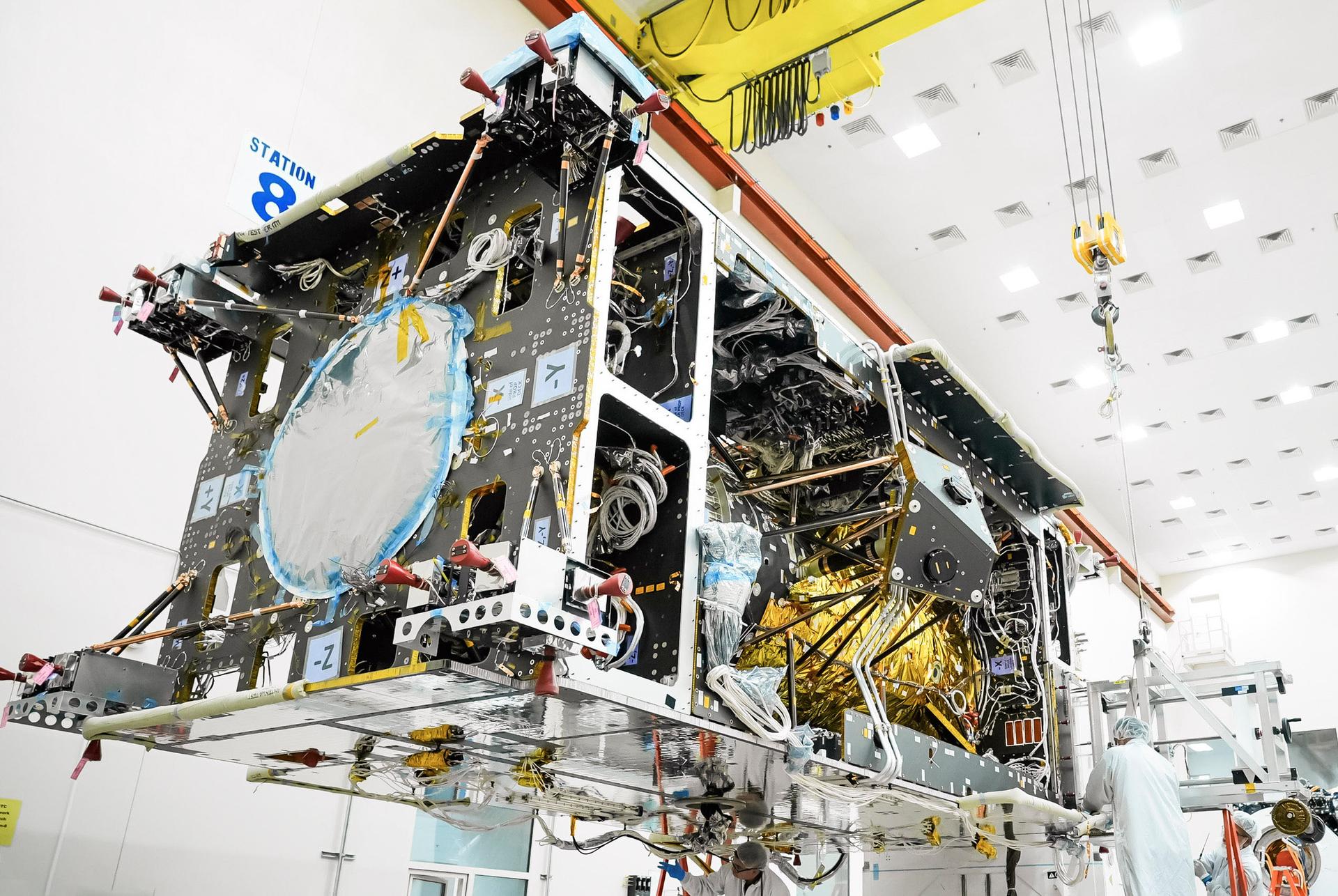
Gateway’s Power and Propulsion Element, seen here under construction last year, will form the centerpiece of the SR-1 Freedom mission.
Credit:
Lanteris Space Systems
NASA officials did not disclose an estimated cost for the SR-1 mission.
After proving nuclear propulsion works, “then you can come back and maybe ask for more [funding] in the future when you show that it can be done,” Isaacman said.
“SR-1 Freedom primarily has that one new system, the reactor, on a spacecraft bus that already exists,” Sinacore said. “The timeline will match the need with the next Mars launch window in December 2028. Orbital mechanics does not negotiate, and the scope must bend around this deadline.”
There are still some hurdles that won’t be easy to jump. Readying any large space mission, especially one as novel as a nuclear propulsion demo, for launch in less than three years will require sharp focus, resistance to mission creep, and near-perfect execution. Sinacore laid out an ambitious timeline for SR-1, with mission design complete by June and large-scale assembly beginning at the start of 2028. If the mission misses a launch opportunity in late 2028, the next Earth-Mars alignment won’t happen until early 2031.
“We are not trying to do everything,” Sinacore said. “We are trying to do the hard thing, which is operate a coupled nuclear reactor, power conversion, and electric propulsion thruster system beyond Earth orbit for the first time ever.”
Although NASA will be the “prime integrator” for SR-1, actually launching radioactive fuel into space requires input from multiple federal agencies, including the Department of Energy. Any rocket selected to launch a nuclear-powered mission must undergo a special certification. SpaceX’s Falcon Heavy, which NASA originally booked to launch the Gateway core module, is undergoing a nuclear certification to launch NASA’s Dragonfly mission to Saturn’s moon Titan.