dailynewsnblog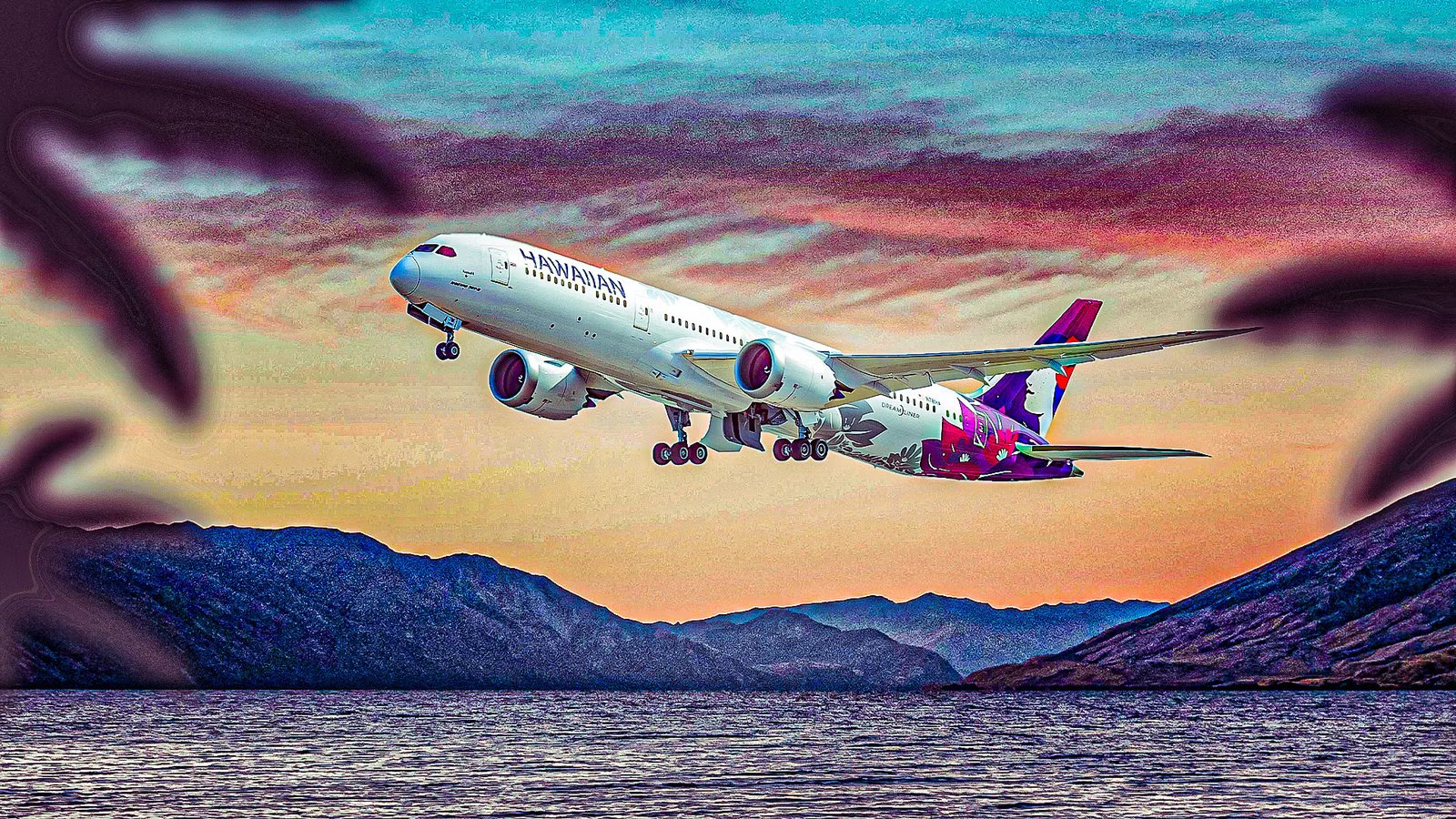
Hawaiian Airlines quickly faced community backlash, after a memo was sent out noting a policy rewrite which had been misworded, suggesting that the airline was set to remove all Hawaiian words to improve inclusivity. Once published, the memo spread quickly and was shared online. Online critics were quick to assess the situation and called it a loss of the Hawaiian carrier’s identity before the airline was able to correct its mistake.
The airline has quickly pointed out that the memo had been incorrectly worded, and a correction has since been made. This reiterated that while some policy names are set to change, the document will retain the Hawaiian language, and will continue to connect Aloha through Mālama, Hoʻokipa, and Poʻokela – Hawaiian words that care for care, hospitality, and excellence.
A Mistake

Hawaiian Airlines was recently acquired by Alaska Air Group, a move that saw the airline duo catapulted to the fifth-largest carrier in the United States. While the airline group plans to amalgamate some processes and operations, the group plans to retain both the Alaska Airlines and Hawaiian Airlines brands as separate identities, sharing the same frequent flyer programme.
This week, a policy rewrite was being undertaken for the airline, where it was mistakenly updated, with critics quick to claim it as another loss to Hawaiian Airlines as part of the merger. The shared memo in relation to the policy highlighted:
“In an effort to align our language to be inclusive for our entire employee population across the entire U.S., the Hawaiian words have been removed.”
A Quick Correction

Unfortunately, before Hawaiian Airlines could justify the memo, many observers were quick to criticize. Sadly, this was a mistake in the original memo, and a correction has since been made. As published by Hawaii News Now, the airlines Cultral Relations Director Debbie Nakanuela-Richards explained that while some policy names have been changed, the airline will continue to utilize the Hawaiian language as part of the airline’s brand promise:
“Often times when you see things at face value, you don’t see the totality of where a statement came from or where a comment came from.”
Nakanuela-Richards emphasized that the brand promise to connect people with Aloha, and many Hawaiian values, is part of the airline’s identity and will continue as HA navigates its new relationship with  Alaska Airlines. The Hawaiian language is an official language for the island state of Hawaii.

Hawaiian Airlines To Officially Join oneworld In April 2026
The carrier is preparing to enter the global alliance.
Committed To Preserving The Hawaiian Identity

While the airline has acknowledged that, despite the mistake in this communication, it wanted to reassure passengers that HA will continue to preserve the Hawaiian identity and strengthen this through the continuation of its cultural practices. As reported by Hawaiian News Now, HA continues to do community outreach throughout Hawaii, including Hawaiian immersion schools, Ke Kumu language classes throughout the Alaska Air Group, and will continue to offer the ‘ōlelo Hawai’i flight and their language certification program for all of the carrier’s flight attendants.
Alaska Airlines acquired the Hawaiian carrier in September 2024, for $1.9 billion, which combined the two airlines to become one of the strongest airline groups on the US West Coast. A key part of this acquisition was the HA widebody aircraft, which now support Alaska Airlines’ growth for long-haul international routes. Today, both loyalty programs have been merged into Atmos Rewards.
Part of the strategic goal from this move will see Alaska expand into new international markets, and the combination of more domestic and international destinations through the airline group’s network. The move was widely speculated as a lifeline for Hawaiian Airlines, but also as a gateway for Alaska Airlines to access widebody aircraft, including the airline’s 787 order, which has had aircraft transferred to AS, and has recently been seen in the airline’s new widebody livery.
Combined, the airlines serve over 140 destinations across Asia, Oceania, North America, and Europe, with a combined fleet of 443 aircraft (as per ch-aviation).