dailynewsnblog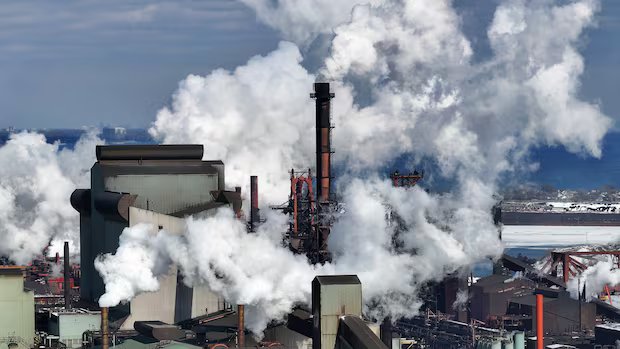

Listen to this article
Estimated 3 minutes
The audio version of this article is generated by AI-based technology. Mispronunciations can occur. We are working with our partners to continually review and improve the results.
Steelmaker ArcelorMittal Dofasco says it’s decommissioning one of its two remaining coke plants in Hamilton, with “the last push of coke” to be completed April 13.
“Generations of employees have worked in the Cokemaking business unit and at No. 3 Plant. We want to recognize their expertise, resilience and passion,” company spokesperson Marie Verdun said in an email Thursday.
People who work at the coke plant are being reassigned to new roles within the company, Verdun said, though she didn’t say how many people or whether their new jobs will pay as much.
Dofasco has long been one of the major steel companies operating in Hamilton.
Coke is a coal-derived fuel burned to generate the high temperatures needed for steel making. It’s one of the main sources of emissions in the steel process and therefore a focus when it comes to “greening” the steel process.
The three biggest industrial emitters of CO2 in Ontario — Canada’s steel centre — are all steel plants. As CBC News has reported, those plants generate 40 per cent of industrial greenhouse gas emissions in the province, more than the refinery, forestry, mining and chemical sectors combined.
To reduce emissions, some producers are moving to using electric arc furnaces or replacing coal with natural gas and hydrogen. ArcelorMittal Dofasco said it would take the latter approach.
Verdun said the company announced the decommissioning of its No. 3 coke plant in 2021 and took its No. 1 coke plant offline in 2015.
In 2022, federal and provincial governments touted investments in ArcelorMittal Dofasco’s plan, saying the business would decommission its blast furnaces and coke plants and replace them with direct reduced iron technology and electric arc furnaces by 2028.
That quietly changed, CBC Hamilton reported in January, with the company extending its timeline to 2050, according to federal documents. Facing scrutiny at a heated community meeting later that month, Gas Gebara, Dofasco’s general manager of environment and energy, acknowledged “timelines have shifted.” He refused to provide any indication of when it will follow through on its plan, or even if it would happen in the next quarter century.
This week’s announcement did not offer a specific timeline either.
ArcelorMittal will continue to operate its No. 2 plant “responsibly and invest in maintenance of the equipment to ensure we abide by our Environmental Compliance Approval from the Ontario Ministry of Environment Conservation and Parks,” Verdun said. “Our long-term decarbonization intentions remain and we will continue to work towards these ambitions.”
In a statement, Hamilton Mayor Andrea Horwath described decommissioning the No. 3 plant as “an important step forward – meaning cleaner air and healthier neighbourhoods,” while reflecting “real progress toward a more sustainable future and a modern, competitive steel industry.”