dailynewsnblog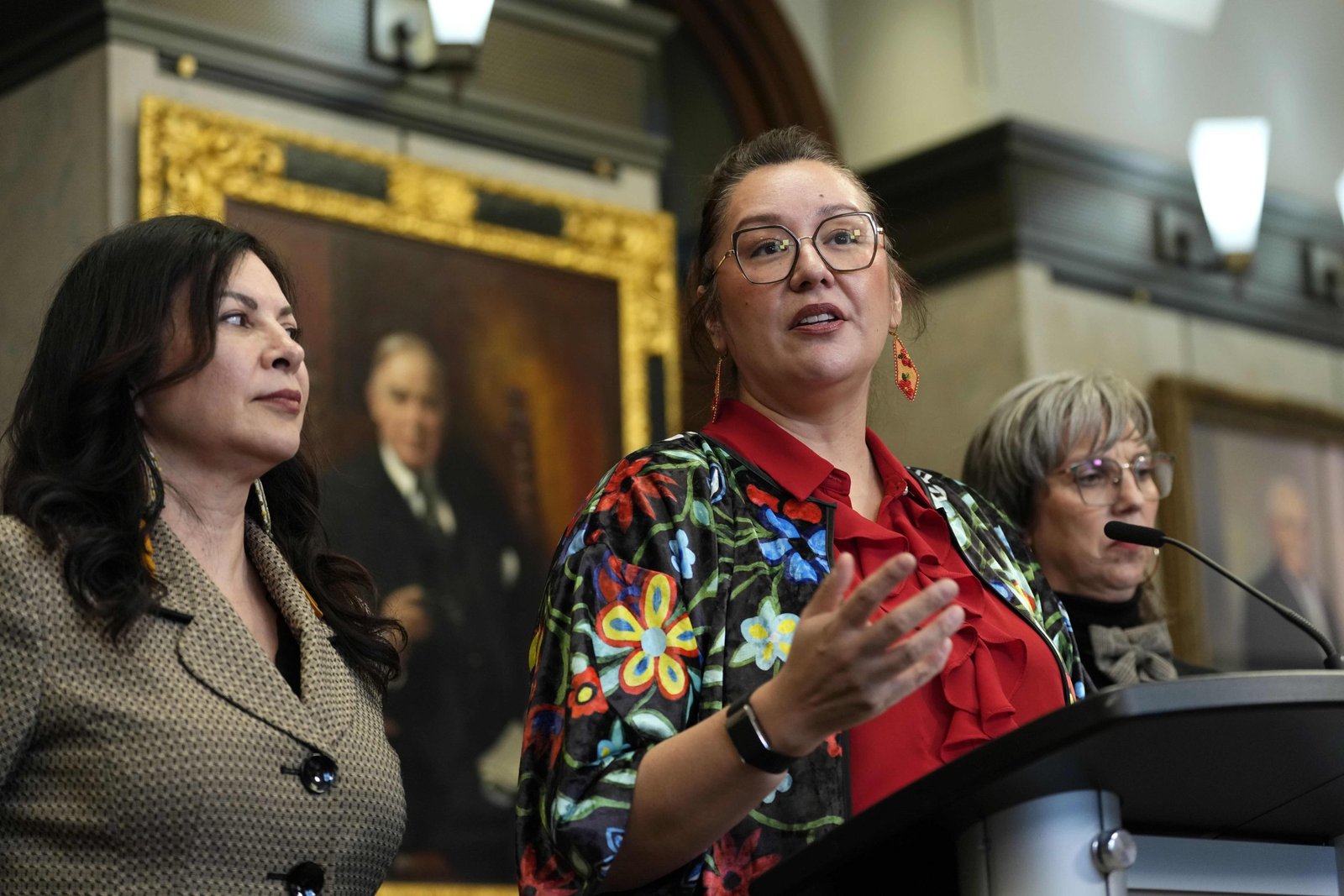
“We’re working with community to bring this solution forward that’s going to help everybody and respect everybody, because we are all unique, distinct nations in this country, and I think that’s something that we have to reflect in our decision making.”
Indigenous Services Minister Mandy Gull-Masty says she’s reflecting on plans for promised stand-alone legislation on the second-generation cutoff, but wouldn’t provide a timeline for when to expect the bill.
She told reporters in Ottawa on Monday that she wanted to respect those communities that have called for changes to the policy, promising more details will be shared in near future.
“I’m having a reflection, and I’m hoping to bring forward what I intend to do as a minister very shortly,” she said in a response to a question from iPolitics.
READ MORE: Feds expected to seek extension of court deadline on Indian Act changes
Her comments comes as the government seems poised to request an extension to a court order to make changes to registration rules under the Indian Act.
A B.C. court last year gave Ottawa until April 2026 to extend status to First Nations people whose ancestors were enfranchised, but legislation that would make those changes is slowly progressing through the House of Commons. Bill S-2 was first introduced in the Senate, and passed in the Upper Chamber after it was amended to replace the second-generation cutoff with a one-parent rule.
It was referred to a House committee last month, though it’s unlikely it will clear the chamber before the end of April, as the House doesn’t resume sitting until April 13, and the Indigenous affairs committee must complete a review of a separate bill before it can start its study of S-2.
While all the opposition parties are supporting the Senate changes, the Liberal government has made it clear that it would prefer to defer any reforms to the second-generation cutoff until after conducting consultations with First Nations. Those consultations are expected to start later this year.
Gull-Masty told the Nishnawbe Aski Nation conference last week that she hoped to introduce a standalone bill on the second-generation in the fall of 2026, but “some of the things in that process have changed,” according to a transcript of her remarks shared with iPolitics.
She said on Monday that she while appreciated the Senate’s work on S-2, some First Nations do not support a one-parent rule and she needed to find “common ground” on a path forward.
“I’m there to work with all communities who have an interest to define what that is for them,” she said.
“The complexities of how legislation is made is one that I’m learning. I’m open to anybody who has a suggestion from First Nations if they wish to express something outside of one-parent rule.”
Gull-Masty said that she personally supported a one-parent rule, noting the second-generation cutoff has “affected my family greatly.”
But she said this process has to be comprehensive, explaining that it was one of the reasons she expedited consultations on the policy soon after becoming the minister last spring.
“We’re working with community to bring this solution forward that’s going to help everybody and respect everybody, because we are all unique, distinct nations in this country, and I think that’s something that we have to reflect in our decision making.”
A hearing on the government’s request to extend the deadline has been set for April 21.
However, the government hasn’t confirmed if it will bring forward its application on that date.
If it does go ahead, the lawyer representing the Indigenous plaintiffs in the case said the government would likely request an additional year to comply with the order.