dailynewsnblog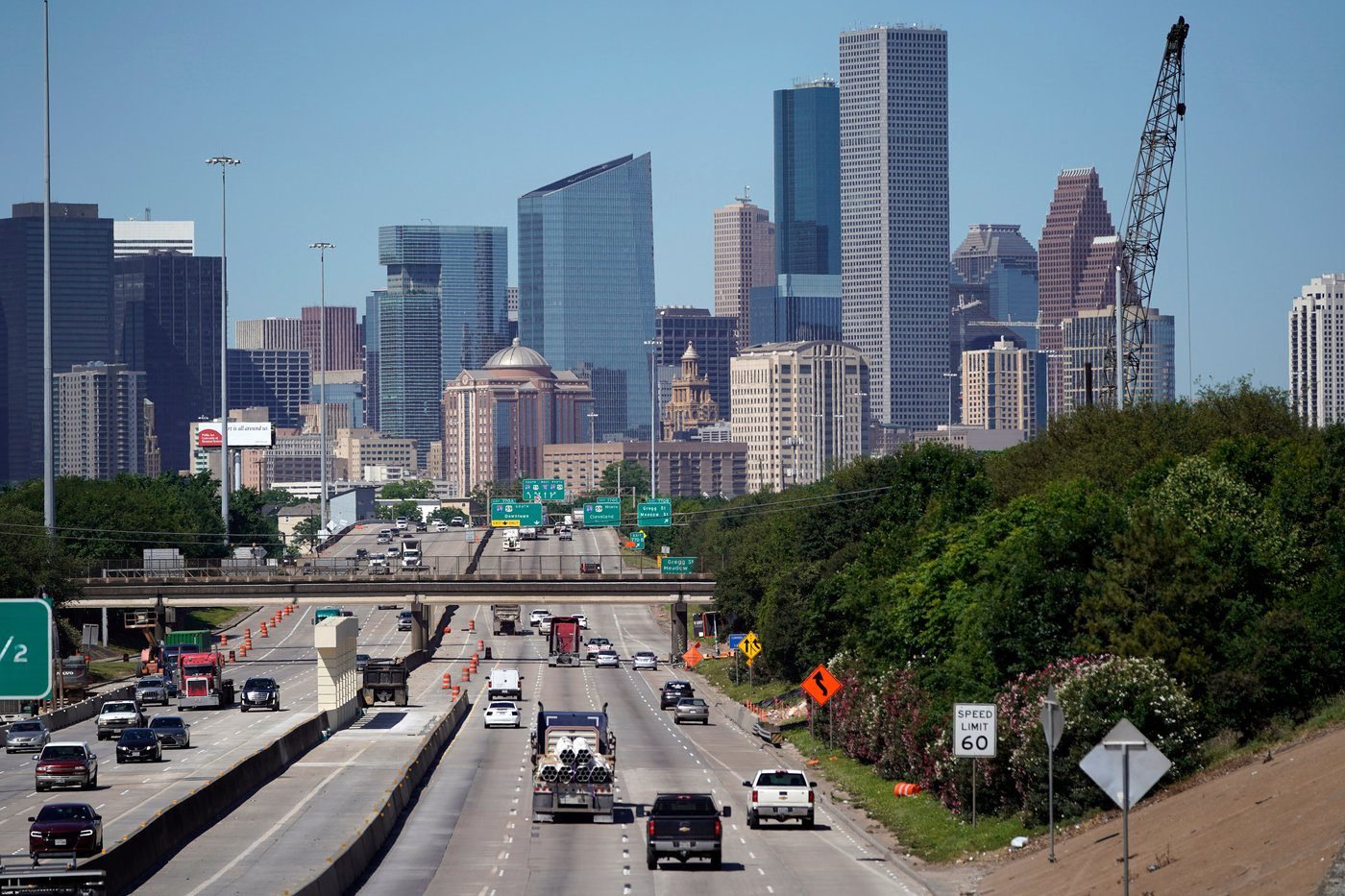
Growth rates in U.S. metro areas dropped the steepest in communities along the U.S.-Mexico border last year because of declines in immigrants while counties along Florida’s Gulf Coast lost residents due to a series of hurricanes, according to new population estimates released Thursday by the U.S. Census Bureau.
The estimates showed that a majority of metro areas and counties had slower population gains last year, which the bureau attributed primarily to a slowdown in international migration, compared to the previous year when an influx of immigrants had helped urban areas recover from the COVID-19 pandemic a few years earlier.
The average growth rate for metro areas fell from 1.1% in 2024 to 0.6% in 2025.
The figures, covering one year through July 2025, reflect the initial months of President Donald Trump’s second term and the beginning of his administration’s immigration crackdown, With an aging America and birth rates in the U.S. declining over the past two decades, immigration has become an important source of growth in many communities.
“With so little natural increase, migration determines whether an area grows or declines, particularly in the big metro cores that have continuous domestic out-migration and are dependent on immigration,” said Kenneth Johnson, senior demographer at the University of New Hampshire.
Immigrant losses
Three metro areas along the U.S-Mexico border stretching from Arizona to Texas had the steepest drops in population growth rates in 2025, according to the Census Bureau.
The growth rate in Laredo, Texas, dropped from 3.2% to 0.2%. It went from 3.3% to 1.4% in Yuma, Arizona, and declined from 1.2% into negative territory at -0.7% in El Centro, California. All three experienced growth in 2024 because of an influx of thousands of immigrants.
“That pattern suggests a sharper rise-and-fall effect in border regions, where international migration plays a more central role in year-to-year population change,” said Helen You, interim director of the Texas Demographic Center.
As in 2024, the top destinations for immigrants in pure numbers in 2025 were counties that are home to Houston, Miami and Los Angeles. But the drop in immigrant numbers in those counties was stark. Nine out of 10 U.S. counties had lower levels of immigration in 2025 compared to 2024, according to the Census Bureau.
H
urricane migration
Two destructive hurricanes, Helene and Milton, tore through Gulf Coast counties in Florida in fall 2024, leaving behind tens of billions of dollars in damage. The storms also caused residents to leave, according to the population estimates.
Pinellas County, which is home to St. Petersburg, lost almost 12,000 residents, the second most in the U.S., trailing only Los Angeles County, which has been losing residents all decade. Pinellas County relies on migration for growth because deaths outpace births more than in any county in the U.S.
Taylor County, a tiny community ravaged by the hurricanes in Florida’s Big Bend area, had the steepest growth rate decline among U.S. counties last year, with a -2.2% drop.
But the hurricane migration wasn’t limited to Florida. In the Blue Ridge Mountains, the county that is home to Asheville, North Carolina, had more than 2,000 residents leaving in the months after the remnants of Hurricane Helene destroyed homes and cut off power and communications to mountain towns.
Growth leaders
The New York metro area slid from growing by the most people in 2024 to ranking No. 13 in 2025 because of the drop in immigrants.
Instead, two perennial growth powerhouses this decade, the Houston and Dallas-Fort Worth metro areas, were at the top of the list, followed by the Atlanta, Phoenix and Charlotte, North Carolina, metro areas.
Several midsize metros in Florida and South Carolina had the largest growth rates. Ocala, Florida, located 80 miles (129 km) northwest of Orlando and known for its horse farms, led the nation at 3.4%. It was followed by: metro Myrtle Beach, South Carolina, which has become a retirement haven; Spartanburg, South Carolina; Lakeland, Florida, located between the much larger metros of Tampa and Orlando; and Punta Gorda, Florida, about 35 miles (56.3 km) north of Fort Myers.
Sunbelt exurban growth
The far-out suburbs were top destinations among those who had moved from somewhere else in the United States.
They were led by Collin County, Texas, outside Dallas; Montgomery County, Texas, outside Houston; Pinal County, Arizona, outside Phoenix; and Pasco and Polk counties outside Tampa.
The rapid growth of far-flung exurbs is an after-effect of the COVID-19 pandemic, according to the Census Bureau. Rising housing costs drove people farther from cities, and remote work allowed many to do their jobs from home at least part of the week.
Where the babies are
Even though New York had more people moving out than moving in, births allowed the metro area to gain more than 32,000 residents. The New York metro area led the nation in natural increase, or births outpacing deaths, followed by the Dallas-Fort Worth and Houston metros.
The metros where deaths outpaced births in the greatest numbers were Pittsburgh, Pennsylvania, and several Florida communities with large senior populations — the Sarasota, Daytona Beach and Tampa metro areas.
The two Texas metro areas topped the charts in natural increase because of their age structure and the fact that they have gained more people than anywhere in the U.S., You said.
“Decades of domestic and international in-migration have produced relatively young populations, with a large share of residents in childbearing ages, alongside comparatively smaller proportions of senior populations,” she said.
___
Follow Mike Schneider on the social platform Bluesky: @mikeysid.bsky.social.
Mike Schneider, The Associated Press