dailynewsnblog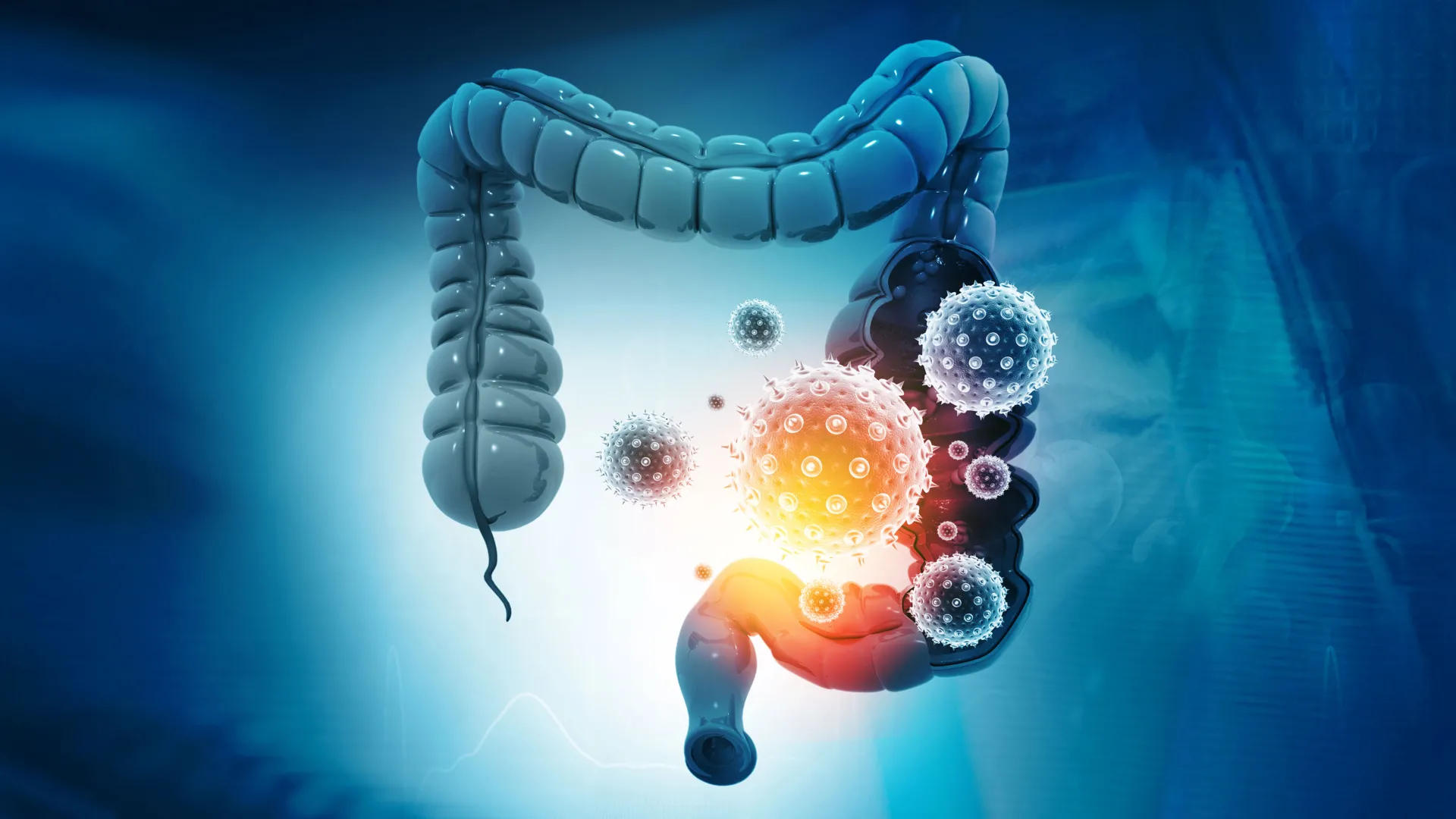
Colorectal cancer is the second leading cause of cancer-related deaths worldwide. When caught early, it is often highly treatable. However, colonoscopies — the primary screening method used today — can be costly and uncomfortable, which discourages many people from getting tested on time.
Researchers at the University of Geneva (UNIGE) have developed a new approach that could change this. Using machine learning, they created the first detailed catalogue of all human gut bacteria at a level precise enough to reveal how different microbial subgroups function in the body. They then used this information to detect colorectal cancer based on bacteria found in simple stool samples, offering a non-invasive and low-cost alternative. The findings, published in Cell Host & Microbe, could also help scientists better understand how gut microbiota influences overall health and disease.
Why Better Screening Tools Are Needed
Many cases of colorectal cancer are diagnosed late, when treatment options are more limited. This highlights the urgent need for easier and less invasive screening methods, especially as cases continue to rise among younger adults for reasons that remain unclear.
Scientists have long known that gut microbiota plays a role in colorectal cancer. However, turning that knowledge into practical medical tools has been difficult. One major challenge is that different strains within the same bacterial species can behave very differently. Some may contribute to cancer development, while others have no effect at all.
Focusing on Microbiota Subspecies
“Instead of relying on the analysis of the various species composing the microbiota, which does not capture all meaningful differences, or of bacterial strains, which vary greatly from one individual to another, we focused on an intermediate level of the microbiota, the subspecies,” explains Mirko Trajkovski, full professor in the Department of Cell Physiology and Metabolism and in the Diabetes Centre at the UNIGE Faculty of Medicine, who led this research.
“The subspecies resolution is specific and can capture the differences in how bacteria function and contribute to diseases including cancer, while remaining general enough to detect these changes among different groups of individuals, populations, or countries.”
Using Machine Learning to Decode the Gut
The research required analyzing massive amounts of biological data. “As a bioinformatician, the challenge was to come up with an innovative approach for mass data analysis,” says Matija Trickovic, PhD student in Trajkovski’s lab and the study’s first author.
“We successfully developed the first comprehensive catalogue of human gut microbiota subspecies, together with a precise and efficient method to use it both for research and in the clinic.”
A Stool Test That Rivals Colonoscopy
By combining their bacterial catalogue with existing clinical datasets, the team built a model that can identify colorectal cancer using only stool samples. The results exceeded expectations.
“Although we were confident in our strategy, the results were striking,” says Matija Trickovic. “Our method detected 90% of cancer cases, a result very close to the 94% detection rate achieved by colonoscopies and better than all current non-invasive detection methods.”
With additional clinical data, the model could become even more accurate and eventually match colonoscopy performance. In practice, this type of test could be used for routine screening, with colonoscopies reserved for confirming positive cases.
Expanding Beyond Cancer Detection
A clinical trial is now being prepared in partnership with the Geneva University Hospitals (HUG) to better define which cancer stages and lesions the method can detect.
The implications extend far beyond colorectal cancer. By examining differences between subspecies within the same bacterial species, researchers can begin to uncover how gut microbes influence a wide range of health conditions.
“The same method could soon be used to develop non-invasive diagnostic tools for a wide range of diseases, all based on a single microbiota analysis,” concludes Mirko Trajkovski.