dailynewsnblog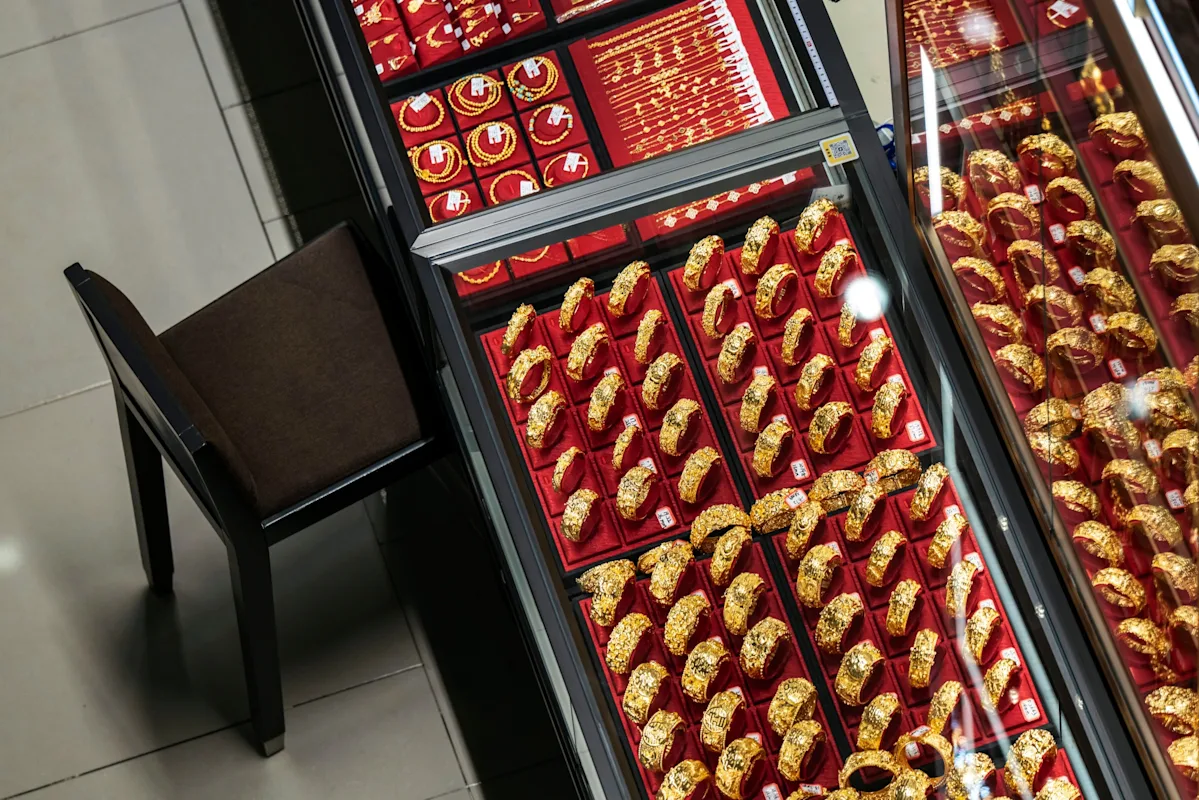

(Bloomberg) — Gold whipsawed after the biggest weekly drop in more than 40 years, as the war in the Middle East entered its fourth week with the US and Iran trading threats of further attacks.
Bullion fluctuated either side of $4,500 an ounce, swinging as much as 1% in either direction, after tumbling nearly 11% in its worst week since 1983. Since the conflict began, surging oil prices have raised inflationary risks and reduced the likelihood of near-term interest-rate cuts by the US Federal Reserve and other central banks. This is a headwind for non-yielding gold, which has declined for eight consecutive sessions.
Most Read from Bloomberg

Gold’s choppy opening mirrored the broader market, with crude retreating after an initial small gain and equity markets also volatile. In the three weeks since the war began on Feb. 28, bullion’s decline of nearly 15% has been driven partly by forced selling as investors seek to cover losses elsewhere in their portfolios.
Over the weekend, US President Donald Trump gave Iran a two-day deadline to reopen the Strait of Hormuz or have its power plants bombed. Iran countered that it would close the strategic waterway “completely” and target energy, information technology and desalination infrastructure if its power facilities come under attack. Trump’s ultimatum came at 7:44 p.m. New York time on Saturday.
“Gold is primed for a bounce in the short term” due to technical reasons, said Kyle Rodda, an analyst at Capital.com Inc. Much will depend “on whether Trump follows through with his threats to hit Iranian power plants,” he said.
Bullion’s 14-day relative-strength index — a gauge of momentum — extended a fall below 30, a level that some traders see as oversold. Hedge funds and other large speculators increased their net-long position for gold to the highest in seven weeks as of March 17, weekly US government data published Friday showed.
Spot gold fell 0.8% to $4,454.90 an ounce at 7:54 a.m. in Singapore. Silver slipped 0.4% to $67.65. Platinum declined while palladium was little changed. The Bloomberg Dollar Spot Index, a gauge of the US currency, was flat after falling 0.5% last week.
Most Read from Bloomberg Businessweek
©2026 Bloomberg L.P.