dailynewsnblog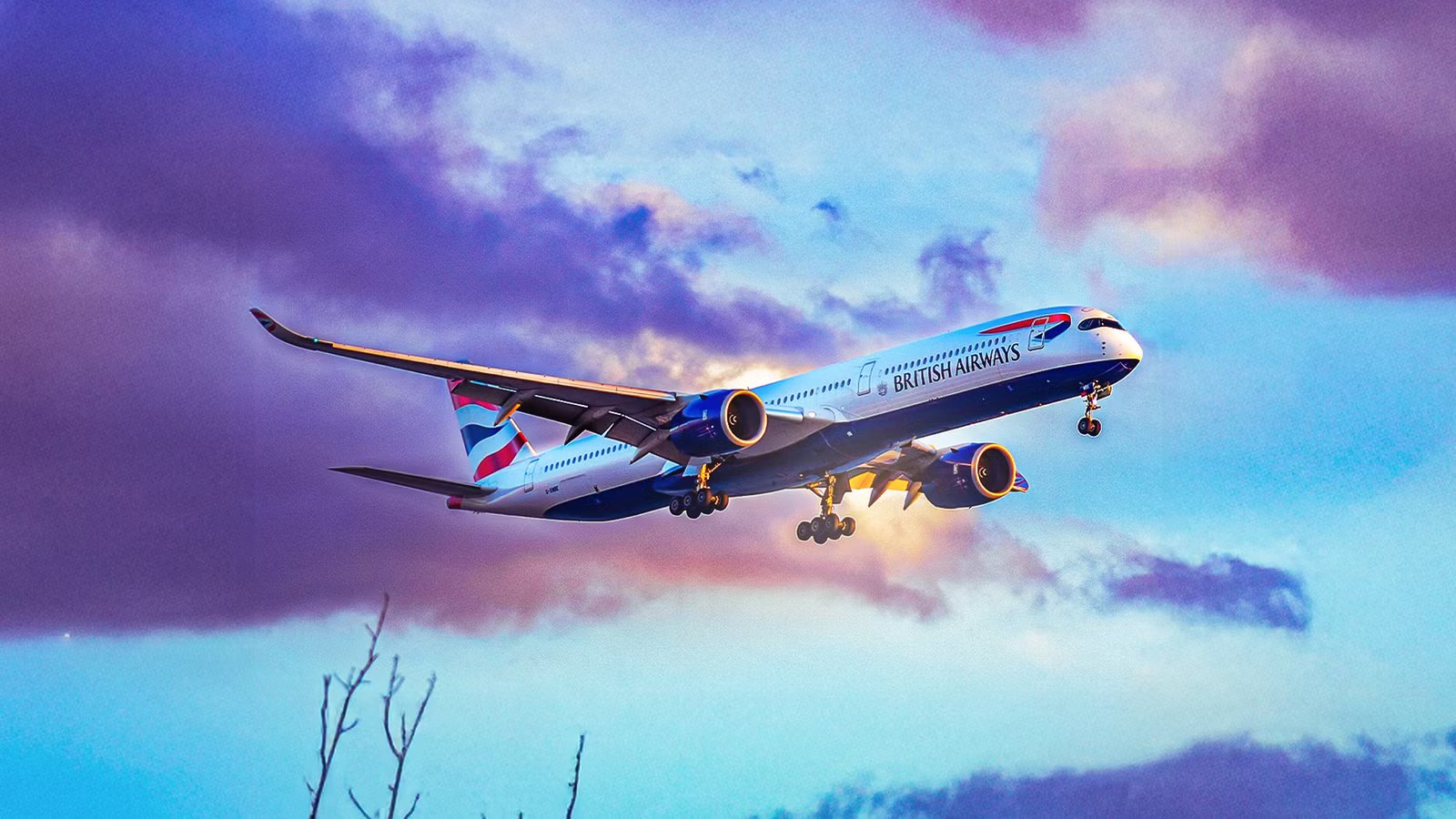
The first aircraft in British Airways’ fleet will have Starlink Wi-Fi connectivity this month, which could potentially also be the first aircraft amongst IAG carriers to have super-fast Wi-Fi equipped. While it does less to differentiate the airline’s services against other legacy carriers, British Airways will have the advantage when it comes to its operations within continental Europe, where the carrier faces competition from various low-cost carriers (LCCs) and ultra-low-cost carriers (ULCCs).
The system will be rolled out fleet-wide and group-wide, which means, going forward, every aircraft within the fleets of all IAG airlines will be equipped with Starlink, including the low-cost carriers within the group’s portfolio.
First Of BA’s Aircraft With Starlink

As per reports by PYOK, UK-carrier British Airways will have the first of its aircraft kitted with Starlink Wi-Fi systems this month. The introduction of Starlink will provide the airline’s customers with super-fast network connectivity on board, and as the system is rolled out across its fleet, more passengers flying to more destinations will be able to enjoy the seamless connectivity. This follows the deal, the airline’s parent company, IAG (International Airlines Group), made back in November 2025, to install Starlink across the group’s fleet.
Starlink on board aircraft essentially allows passengers to have free high-speed network connectivity when flying almost anywhere on the planet, and can perform tasks such as work, stream movies, and even play online games, like they can on the ground. Furthermore, with Starlink, passengers do not need to go through the additional steps of signing up for on board Wi-Fi, nor are the passengers limited to the number of devices they can use, because of the high bandwidth connectivity available.
Additionally, the system can work, even when the aircraft is on the ground, allowing passengers to maintain connectivity from the first moment they step onto the aircraft, rather than having the Wi-Fi connectivity activated above 10,000 feet and having it disabled before landing. Simple Flying has reached out to the airline to know more about the aircraft chosen to have Starlink installed and how it would be deployed.
Rest Of The IAG Members To Follow

Based on the deal made in November, all brands within IAG will have Starlink installed, ensuring the group is able to compete directly with other airlines while enhancing customer experience. This is because other major airline groups in Europe, Air France – KLM and the Lufthansa Group, are also currently (or will soon begin) rolling out Starlink across their fleet. Beyond Europe,  British Airways also faces competition from other global carriers based in the Middle East and North America.
But beyond competing with these carriers, by installing Starlink, IAG members will also gain a competitive advantage over the LCC and ULCC market segments. Because of the competitive nature of Europe, quite often legacy carriers find themselves competing against LCCs and ULCCs on the same route, with very little product differentiation at the lower end of the price range. But at a time when carriers such as easyJet and Ryanair are turning down Starlink on their aircraft, by offering free and reliable, high-speed network connectivity throughout the flight, legacy carriers can differentiate themselves, especially among business travelers who otherwise might be flying with a low-cost carrier.
It is worth noting that, while the mainline carriers of IAG, including British Airways,  Iberia, and
  Aer Lingus, will offer Starlink to all their passengers for free, the deal will allow the group to charge a fee to access Starlink onboard aircraft operated by the group’s low-cost airlines, LEVEL and Vueling.

“Feels Like Home”: British Airways Signs Up For Starlink WiFi
The UK flag carrier has promised high-speed connectivity to every passenger in every cabin.
Some Are For It, Some Are Against It!

In the past few years, more and more airlines around the world have begun installing Starlink on board their aircraft (depending on aircraft certification, of course), thereby elevating passenger experience, and Starlink Wi-Fi connectivity is gradually starting to become the new normal. Some airlines are also relying on Starlink to provide in-flight entertainment to passengers with their preferred content on their own device, rather than traditional entertainment services via seat-back screens, and allowing passengers to stream content that was selected by the airline.
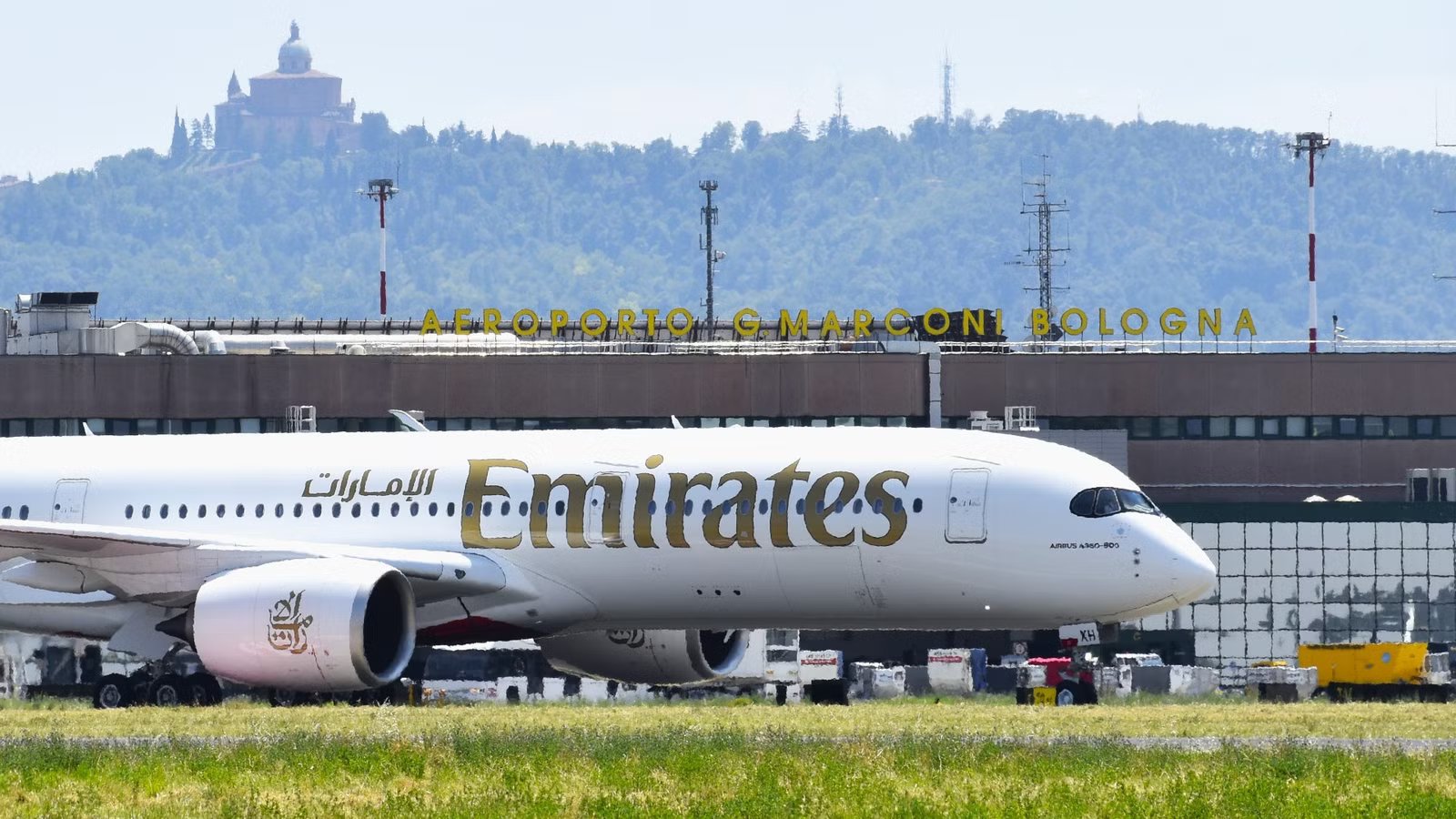
While today this represents reduced costs and reduced weight of seat-back entertainment (at least in economy cabins) for some airlines, there are other premium-focused carriers, such as  Emirates and
  Qatar Airways, offer Starlink beyond their world-class IFE services as an additionarather than traditional entertainment services via seat-back screensl amenity rather than a replacement. As per Starlink’s website, most commercial aircraft types are certified to be equipped with Starlink, while the remaining aircraft are expected to be certified soon, as shown in the table:
|
Aircraft Type |
Expected Certification Date |
|---|---|
|
Airbus A380-800 |
Q2 2026 |
|
Boeing 787-9 |
Q1 2026 |
|
Boeing 737-900 |
|
|
Boeing 757 |
Q3 2026 |
|
Boeing 767 |
Ultimately, whether an airline will equip Starlink or not will essentially come down to the airline’s business model, operational network, and perhaps even the competitive landscape of the market the carrier operates in. Have you experienced Starlink in flight? Let us know of your experience in the comments below!