dailynewsnblog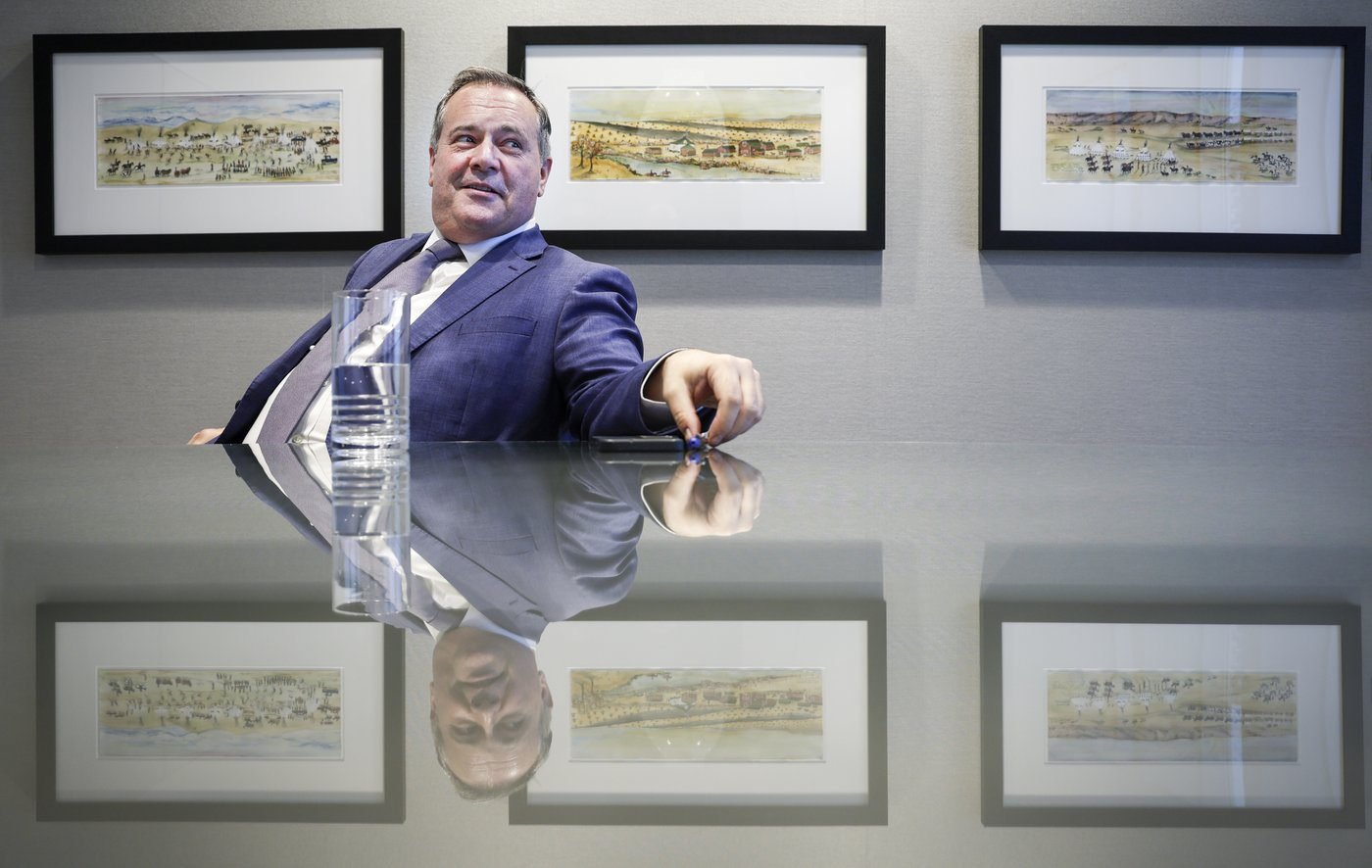
CALGARY — The architect of Alberta’s politician recall legislation says it was never meant to be used as a political weapon, but as an “ultimate tool of accountability” if a politician engages in illegal or unethical behaviour.
Jason Kenney gave the remarks in an interview Thursday as the party he helped create – the United Conservatives – has 14 of its caucus members facing recall petitions from angry citizens using the legislation he crafted when he was Alberta’s first UCP premier.
“My government purposely set very high thresholds,” Kenney said. “Frankly, we replicated the thresholds developed in British Columbia in 1991 under an NDP government to ensure there’s a really broad public demand for a byelection.
“We have it as an ultimate tool of accountability if a politician does something absolutely egregious, illegal, grossly unethical.”
He added, “You get a shot at your MLAs or MP’s once every four years (in a general election). If you have policy differences, that’s where to settle that.”
Kenney served as Alberta’s premier from 2019 before stepping down in 2022. He also served as a cabinet minister in former prime minster Stephen Harper’s government.
Along with the 14 members of Smith’s United Conservative caucus facing recall, Smith herself is expected to soon be added to the list.
A petitioner seeking the recall campaign against Smith says she has been given the green light, but must await a formal announcement before she can begin collecting signatures.
The theme of those seeking recall is that UCP politicians are not listening to constituent concerns, not acting on their behalf and broke trust by overriding teachers’ rights by using the Charter’s notwithstanding clause to end a provincewide strike in October.
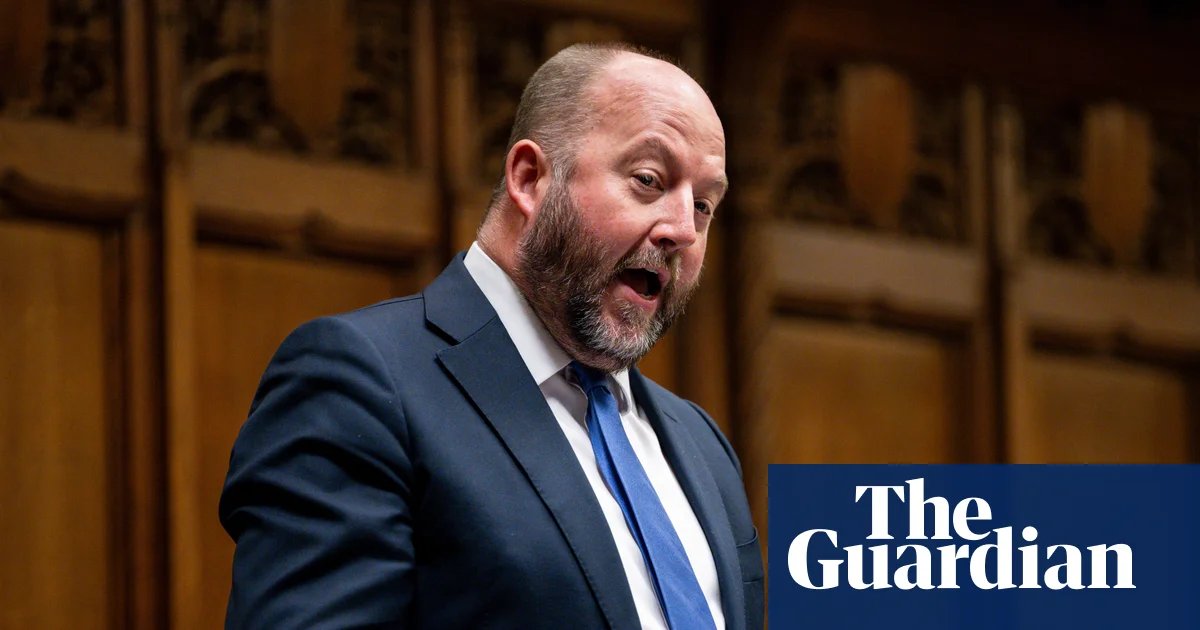
In response, UCP members – backbenchers, cabinet ministers and even house Speaker Ric McIver – reject the allegations and have pointed out specific initiatives and projects that have helped their constituencies on their watch.
A United Conservative caucus spokesperson has said the recall process is meant for major breaches of duty, and not for policy disagreements.
Kenney agreed, saying that when it comes to “taking a position in a union negotiation that you don’t like — you can disagree, fair enough — but you make your case in the next election.”
Kenney said the notwithstanding clause was the result of the 1982 decision to repatriate the Canadian Constitution and requested by all of the premiers, including Saskatchewan’s NDP premier Allan Blakeney.
“The notwithstanding clause is a part of the Charter of Rights. In fact, there would be no Charter of rights without the notwithstanding clause,” Kenney said.
“It’s a very elegant balance between our democratic system and an independent judiciary.”
Kenney said the increased use of the clause is because of the actions of the courts.
“I think that’s more of a reflection of the shrinking humility of the courts to limit themselves to strict interpretation of legislation and to become increasingly aggressive and assertive — and so this is an entirely predictable response to that,” he said.
Under Alberta’s Recall Act, petitioners have three months to collect signatures equal to 60 per cent of the total number of votes cast in the constituency in the 2023 election.
If successful, a vote is held on whether the representative gets to keep their seat. If the member loses, a byelection is held.
This report by The Canadian Press was first published Dec. 5, 2025.
Bill Graveland, The Canadian Press