dailynewsnblog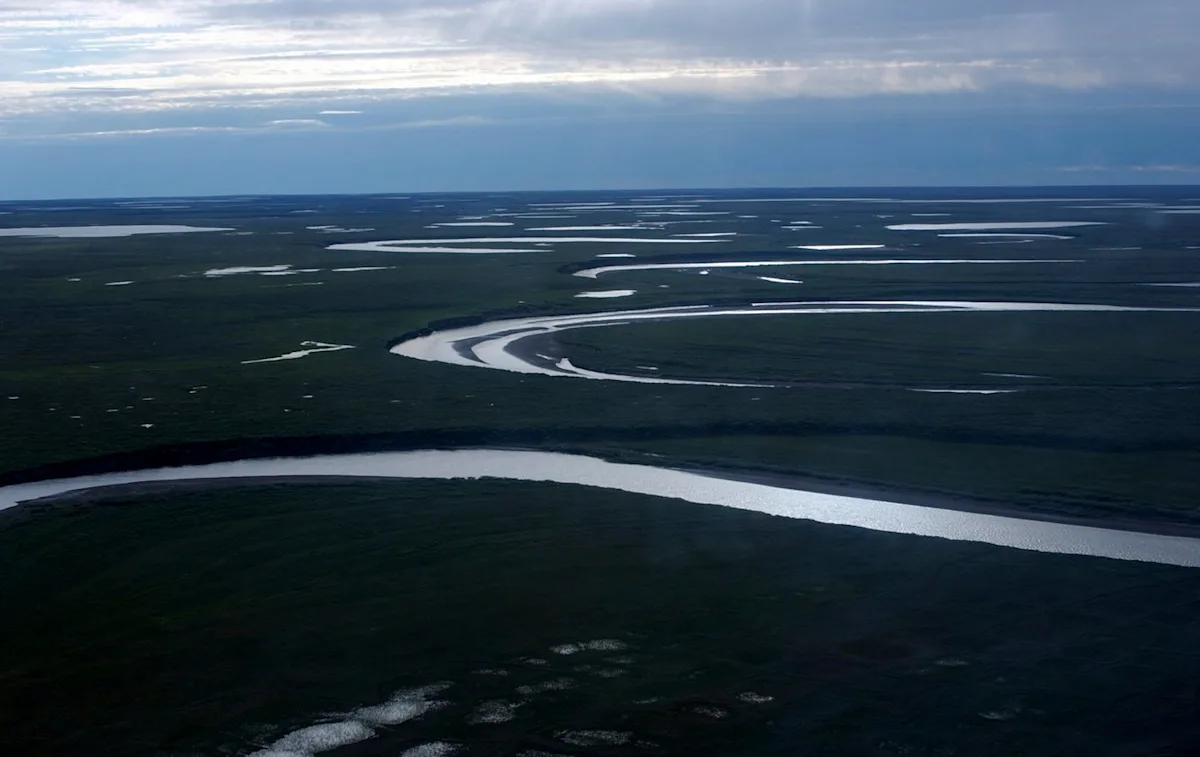
JUNEAU, Alaska (AP) — The first oil and gas lease sale held in years in the National Petroleum Reserve-Alaska was touted by officials Wednesday as the strongest to date, drawing hundreds of bids and interest from major oil companies despite pending legal challenges from environmentalists and some Indigenous groups.
It was the first sale in the reserve since 2019 and the first under a law passed by Congress last year calling for at least five lease sales there over a 10-year period, amid a renewed push by the Trump administration to expand oil and gas development in Alaska. The U.S. Department of Interior said 11 companies submitted bids on 187 tracts covering 1.3 million acres (526,000 hectares). The sale offered 625 tracts over about 5.5 million acres (2.2 million hectares).
State political leaders cheered the result, with Republican Gov. Mike Dunleavy calling it a “major win for our state and our country.” Business, oil and gas and resource development groups issued a joint statement that said the “strong participation and unprecedented results underscore renewed investor confidence in Alaska’s North Slope and the state’s long-term resource potential.” Voice of the Arctic Iñupiat, an advocacy group whose members include North Slope leaders, called the sale an important milestone.
The petroleum reserve is home to the large Willow oil project, authorized in 2023 by the Biden administration and currently under development by ConocoPhillips Alaska. The reserve, roughly the size of Indiana on Alaska’s North Slope, provides habitat for an array of wildlife, including caribou, bears, wolves and millions of migratory birds.
Critics of the drilling push have raised concerns about the potential impacts on parts of the reserve previously designated as special for their wildlife, subsistence or other values, including around Teshekpuk Lake. The lake is the largest in Alaska’s arctic region.
Kristen Miller, executive director of Alaska Wilderness League, in a statement called the region “one of the last truly wild places on Earth, home to millions of migrating birds, vast caribou herds and Indigenous communities whose lives are woven into this land.”
“We will spend every ounce of our energy making sure those leases never become drill pads,” she said.
Several lawsuits challenging the lease sale, the management plan underpinning it or related actions are pending.
Jeremy Lieb, an attorney with Earthjustice, which is representing conservation groups in one of the cases, in statement said amid climate change and high energy prices, “it’s clear that the best way forward is switching to low-cost, clean energy sources – not attempting to produce more expensive, ecologically destructive Arctic oil.”