dailynewsnblog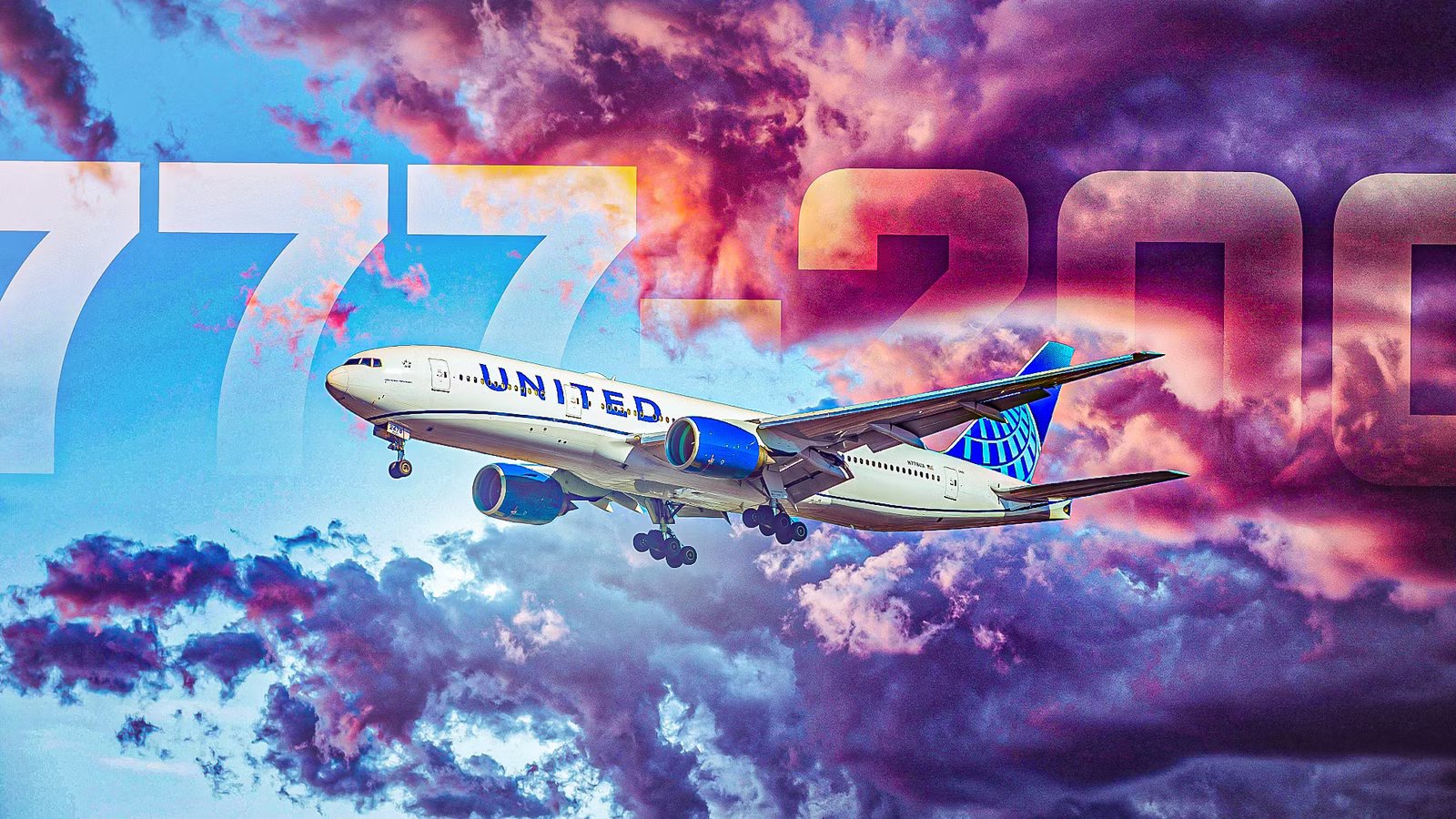
A  United Airlines Boeing 777-200 suffered an engine failure during takeoff at Washington Dulles on Saturday, sparking a brush fire next to the runway. Thick plumes of smoke billowed from the side of the runway as emergency services put out the fire.
During the incident, one of the 777’s engine covers separated from the aircraft after it lost power in an engine. After it entered a holding pattern to jettison fuel, the aircraft landed safely back at Washington Dulles approximately one hour later, with no injuries reported.
United 777 Engine Failure During Dulles Takeoff

The incident took place at Washington Dulles International Airport (IAD) on Saturday afternoon as United Flight 803 to  Tokyo Haneda Airport (HND) took off ahead of its 14-hour journey to Tokyo. The flight shaped up for its takeoff roll from IAD’s Runway 01C at around 12:35 PM local time; however, just moments into its takeoff, the aircraft lost power to one of its GE90 engines before the pilots declared an emergency.
Smoke was spotted coming from the side of the runway, prompting emergency services to respond and extinguish a fire in the brush. The flight leveled its climb at 5,000 feet before entering a holding pattern to dump fuel. It landed safely back at IAD on Runway 01R approximately 45 minutes after takeoff, with none of its 275 passengers or 15 crew injured.
Simple Flying has reached out to United Airlines for comment on this incident and will update this story accordingly. As per a statement from the Federal Aviation Administration (FAA),
“United Airlines Flight 803 safely returned to Dulles International Airport in Virginia around 1:20 p.m. local time on Saturday, Dec. 13, after experiencing an engine failure during departure.”
Engine Cover Separated And Sparked Brush Fire

According to a post on X by US Transportation Secretary Sean Duffy, one of the aircraft’s engine covers separated during its takeoff roll and landed in the grass beside the runway, sparking a fire that was responsible for a significant amount of smoke. In fact, some passengers waiting in the airport or on other planes feared the worst, believing that an aircraft had crashed.
A spokesperson for the Metropolitan Washington Airports Authority confirmed that a fire broke out and had been extinguished by emergency services, adding that the aircraft was inspected after returning to the airport. After a brief ground stop, operations at the airport resumed, with other waiting flights able to use alternative runways.
|
Date |
December 13, 2025 |
|
Airline |
United Airlines |
|
Flight Number |
UA803 |
|
Aircraft |
Boeing 777-200ER (N87004) |
|
Engines |
2x GE90-92B |
|
Departure |
Washington Dulles International Airport (IAD) |
|
Destination |
Tokyo Haneda Airport (HND) |
|
Fate |
Returned to Dulles after fuel jettison |
One passenger, Houman David Hemmati, who was sitting on a different aircraft bound for Los Angeles, told The Washington Post that his flight was diverted to another runway before taking off at 1:00 PM, adding that smoke was still visible in the air. The FAA has confirmed that it is investigating the incident. United Airlines said it was working hard to rebook passengers on the flight, adding that it had temporarily closed a United Club lounge at Washington Dulles to accommodate impacted passengers.

United Airlines Boeing 777-200ER Returns To Washington Dulles After Engine Overheats
Widebody in trouble as a Tokyo-bound United 777 returns to base.
27-Year-Old Boeing 777-200ER Grounded

The aircraft involved in Saturday’s incident is a Boeing 777-200ER (registration: N78004) built in 1998 and delivered to Continental Airlines before passing over to United’s fleet during their 2010 merger. As per data from ch-aviation, the 777 has accumulated almost 125,000 flight hours and 13,000 flight cycles over its 27 years in service.
The widebody is powered by two GE90-92B engines and can seat up to 276 passengers, featuring 50 United Polaris business class seats, 24 United Premium Plus seats, and 202 seats in United Economy, including Economy Plus. With 275 onboard yesterday afternoon, the load factor was just one seat shy of 100%.
Engine failures of any kind are serious safety events but are relatively rare occurrences, with the typical modern jet engine experiencing an in-flight shutdown once every 500,000 to 1,000,000 flight hours. GE Aerospace says the GE90 has an excellent record of reliability with an in-flight shutdown rate of 0.003 per 1000 engine flight-hours.