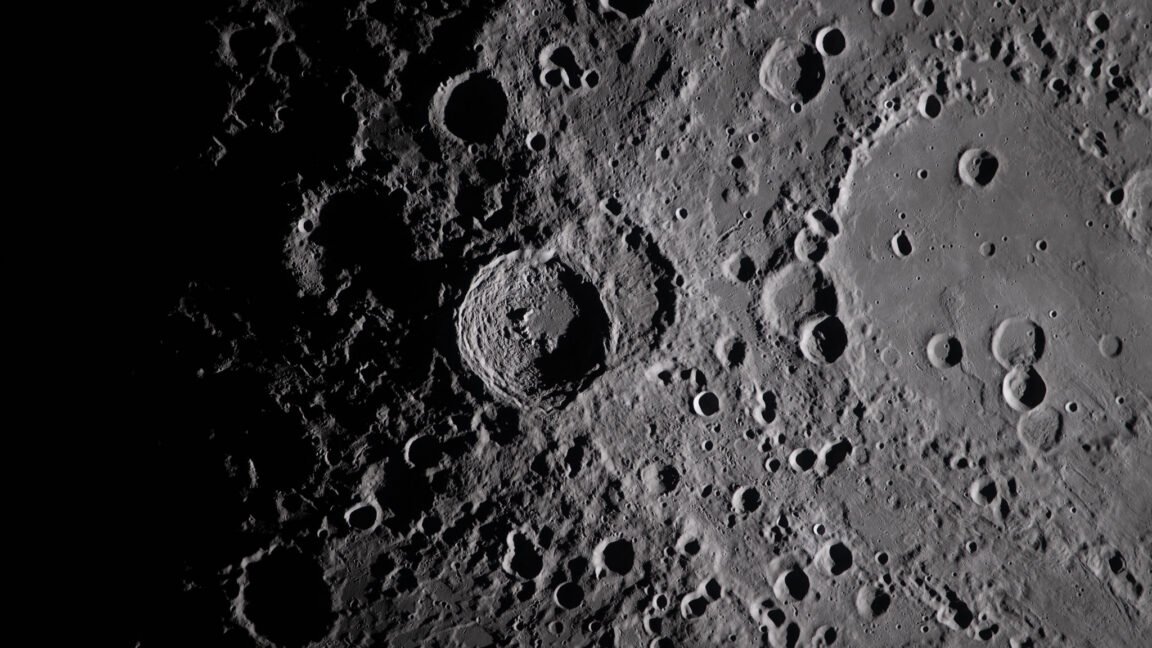
Finally, Artemis delivers some exceptional, high-quality photos of the Moon


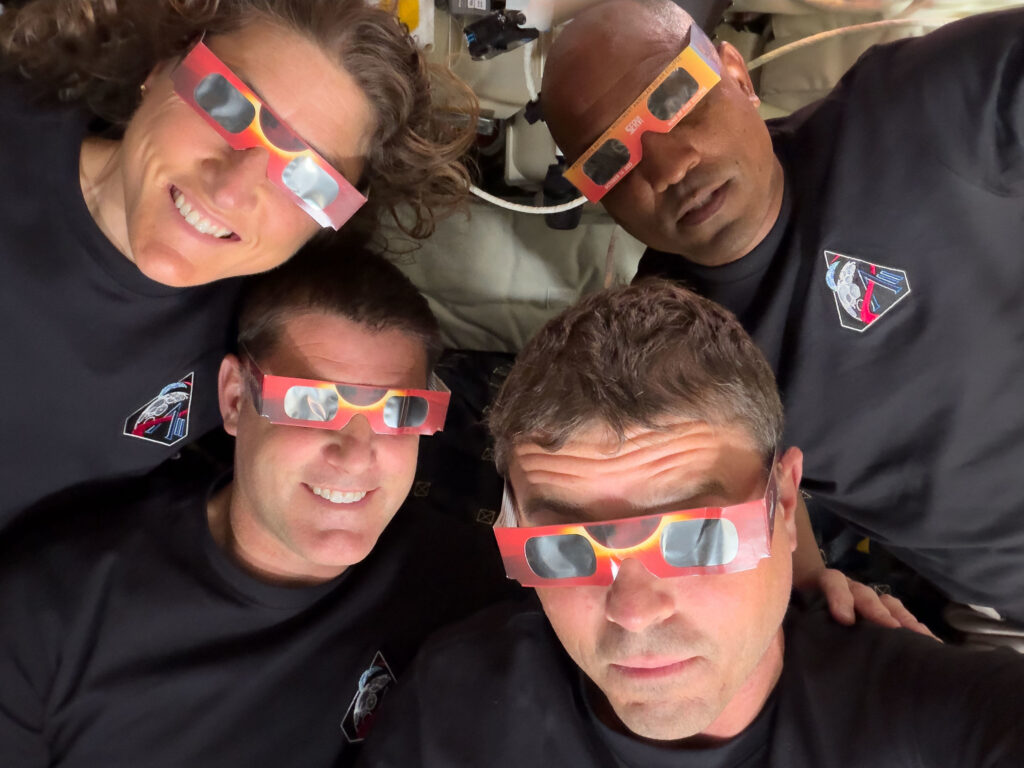
The eclipse glasses are identical to what NASA produced for the 2024 total solar eclipse.

Credit:
NASA

The eclipse glasses are identical to what NASA produced for the 2024 total solar eclipse.


Credit:

NASA

During their flyby of the Moon, the spacecraft got to within 4,067 miles (6,545 km) of the Moon’s surface.
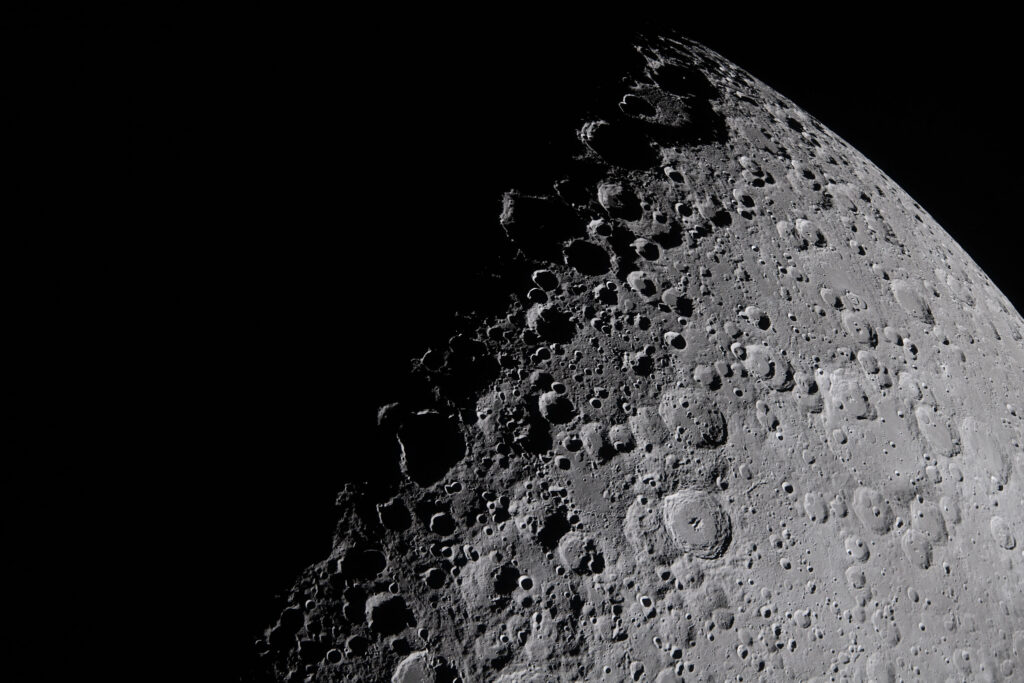
The Artemis II crew captures a portion of the Moon coming into view along the terminator.

Credit:
NASA

The Artemis II crew captures a portion of the Moon coming into view along the terminator.


Credit:

NASA

Only a portion of the Moon is visible in frame below, with its curved edge revealing a bright sliver of sunlight returning after nearly an hour of darkness.
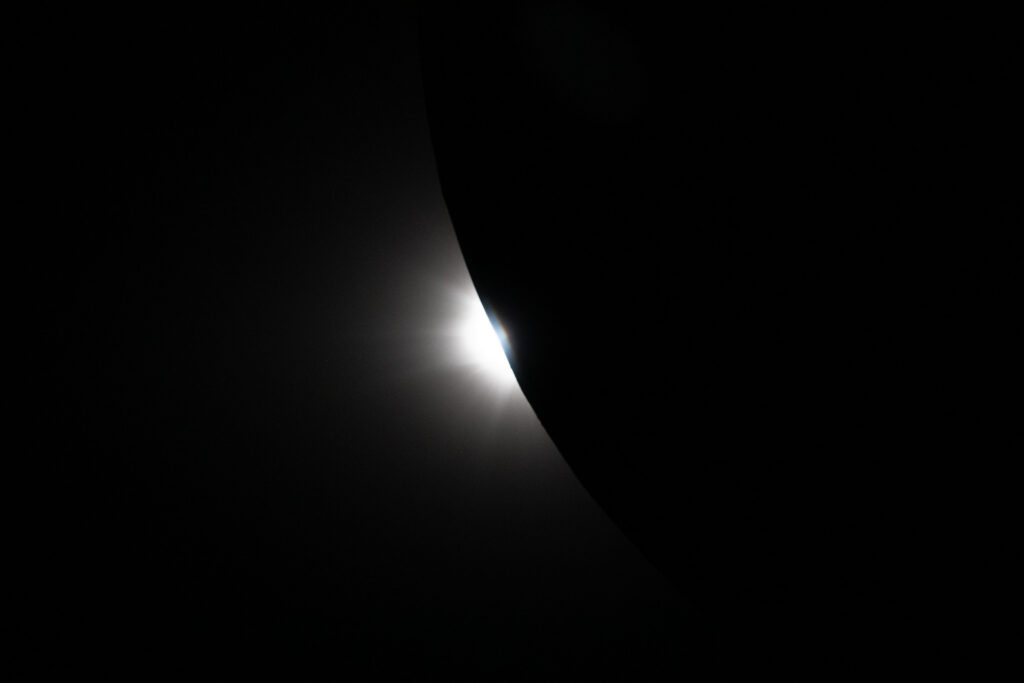
This image shows the Sun beginning to peek out from behind the Moon as the eclipse transitions out of totality.

Credit:
NASA

This image shows the Sun beginning to peek out from behind the Moon as the eclipse transitions out of totality.


Credit:

NASA

Each astronaut took turns photographing and documenting the Moon, both for audiences back on Earth and for the lunar science community.

Glover, the pilot on Artemis II, said the astronauts had trouble taking photos that did the view justice.

“What we’re seeing, we’re just not picking up on the cameras,” Glover said. “After all the amazing sights that we saw earlier, we just went sci-fi. It just looks unreal. You can see the surface of the Moon [from] the Earthshine. You can actually see a majority of the Moon. It is the strangest-looking thing.”
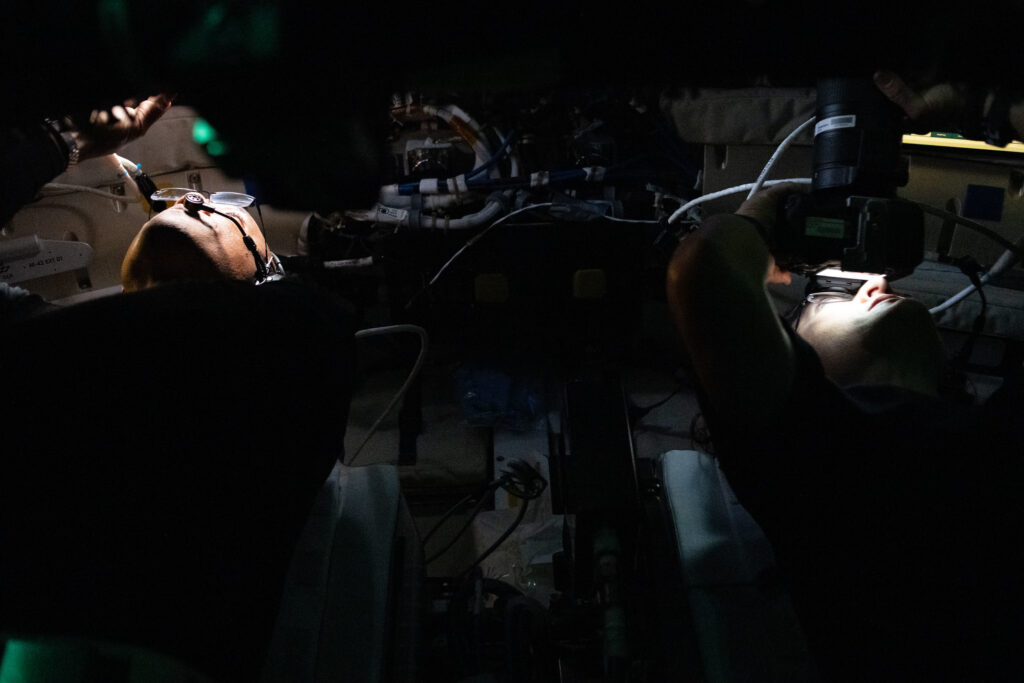
Artemis II Pilot Victor Glover and Mission Specialist Christina Koch gather images and observations of the lunar surface.

Credit:
NASA

Artemis II Pilot Victor Glover and Mission Specialist Christina Koch gather images and observations of the lunar surface.


Credit:

NASA

Humanity has seen similar images to the one below, beginning with the iconic Earthrise image captured by Apollo 8. But these are the highest-resolution images of the phenomenon and hint at a future with far more time spent near, and on, the Moon’s surface.
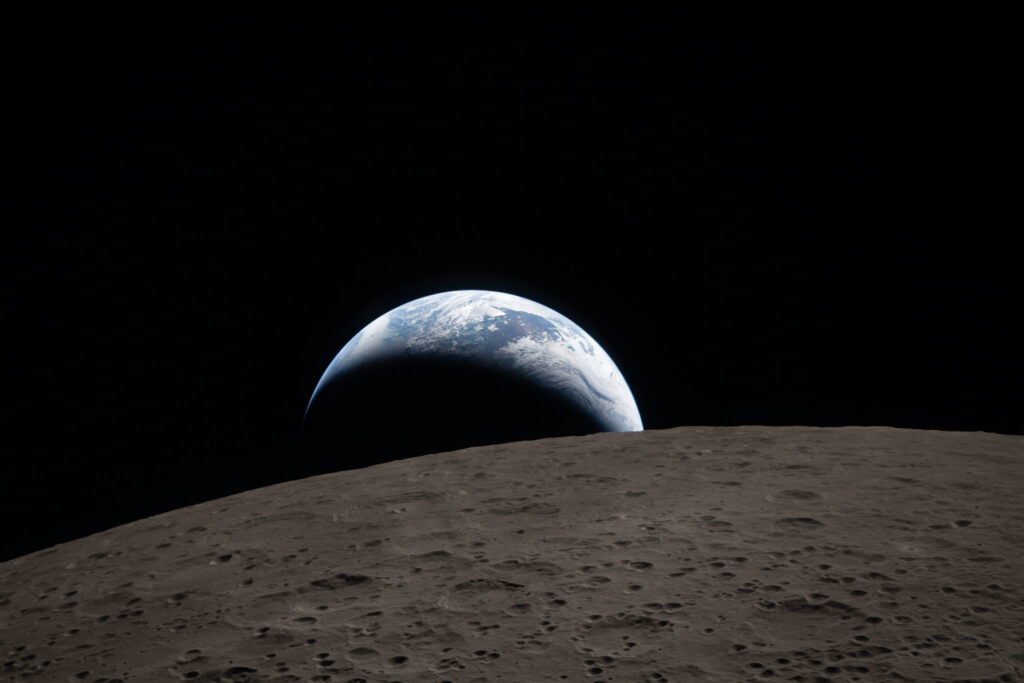
Earthset captured through the Orion spacecraft window at 6:41 pm EDT, April 6, 2026.

Credit:
NASA

Earthset captured through the Orion spacecraft window at 6:41 pm EDT, April 6, 2026.


Credit:

NASA

The Artemis II mission is now speeding back toward Earth, with the spacecraft due to splash down on Friday evening off the coast of California.




Source link

  • Related Posts

    AI Agents Are Coming for Your Dating Life

    On a Monday afternoon in March, I watched a pixel-art avatar prowl the corridors of a virtual office campus looking for a buddy. With dark brown hair and stubbled chin,…

    Rolls-Royce secures nearly £600m in UK government cash to develop small reactors | Rolls-Royce

    Rolls-Royce has secured up to £599m from Britain’s national wealth fund as it races to develop the UK’s first small modular nuclear reactors. The fund will help support Rolls-Royce’s design…

    Leave a Reply

    Your email address will not be published. Required fields are marked *

    You Missed

    Pope Leo, Hours After Trump Criticism, Says He Has ‘No Fear’

    Women’s One-Day Cup 2026, DUR-W vs LAN-W 1st Match Match Report, April 11, 2026

    Women’s One-Day Cup 2026, DUR-W vs LAN-W 1st Match Match Report, April 11, 2026

    Splatoon 3’s Spring Splatfest Has Crowned Its Winner

    Splatoon 3’s Spring Splatfest Has Crowned Its Winner

    Trump lambasts Pope Leo XIV, extending feud over Iran war

    Trump lambasts Pope Leo XIV, extending feud over Iran war

    AI Agents Are Coming for Your Dating Life

    AI Agents Are Coming for Your Dating Life

    Brian Hooker must be charged or released, attorney says

    Brian Hooker must be charged or released, attorney says