dailynewsnblog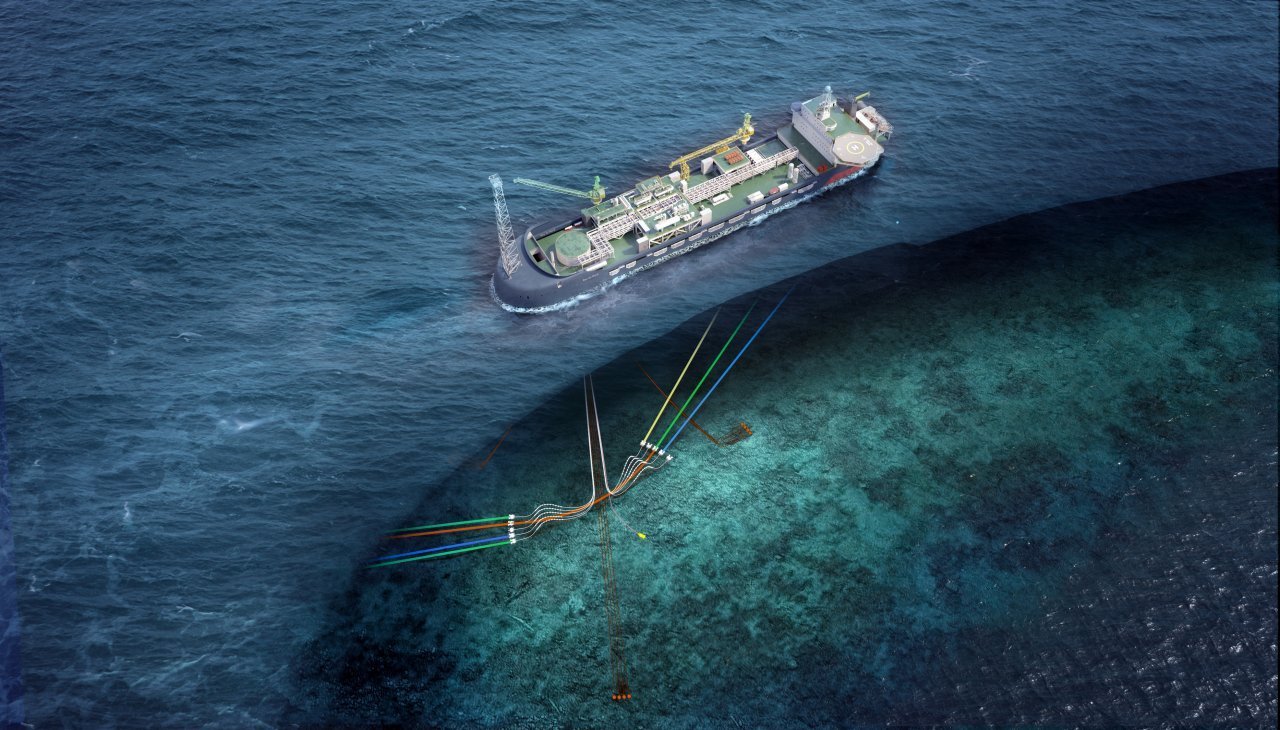
“We have no figures…Journalists can say what they wish,” Environment Minister Julie Dabrusin tells a House committee. “I’m telling you we are negotiating, and this is not public knowledge.”
The federal government and Newfoundland and Labrador are still negotiating Ottawa’s share of Bay du Nord’s UN fees, with Environment Minister Julie Dabrusin saying her government hasn’t committed to a $1B figure.
The comments come a week after the province celebrated reaching a ‘major milestone’ on the project, saying agreements on benefits and royalties had been reached with proponents Equinor and BP.
Fisheries Minister Joanne Thompson confirmed to the Canadian Press that Ottawa had committed to covering international fees for the proposed deepwater oil project located hundreds of kilometers off the province’s coast outside its exclusive economic zone.
The wire service reports that officials with the Newfoundland and Labrador government said the fees could reach $1B during a media briefing.
Pressed to confirm that number during a House committee appearance, Environment Minister Julie Dabrusin said negotiations were underway and the government has yet to land on a figure.
“Journalists can say what they wish… But I can tell you we are negotiating, and this is not public knowledge,” she said in response to questions from Bloc Québécois MP Patrick Bonin.
She added she doesn’t believe Minister Thompson has given a specific number when confirming Ottawa’s commitment to cover the project’s UN fees.
Environmental groups criticized the federal government’s willingness to cover the fees, saying it amounts to subsidizing an oil and gas project and the proponents should be the ones picking up the tab.
The question of who should cover the international fees has plagued the project for years, with proponents declaring a pause in 2023 in a bid to find ways to improve project economics.
A final investment decision is expected sometime next year.
Newfoundland and Labrador has long championed Bay du Nord, with Premier Tony Wakeham blaming the previous federal government’s emissions cap for killing offshore exploration in a province that faces the highest per capita debt in the country.
Under the agreement celebrated last week, the province says it could reap $6.4 billion in direct revenue during the first phase of the project.