dailynewsnblog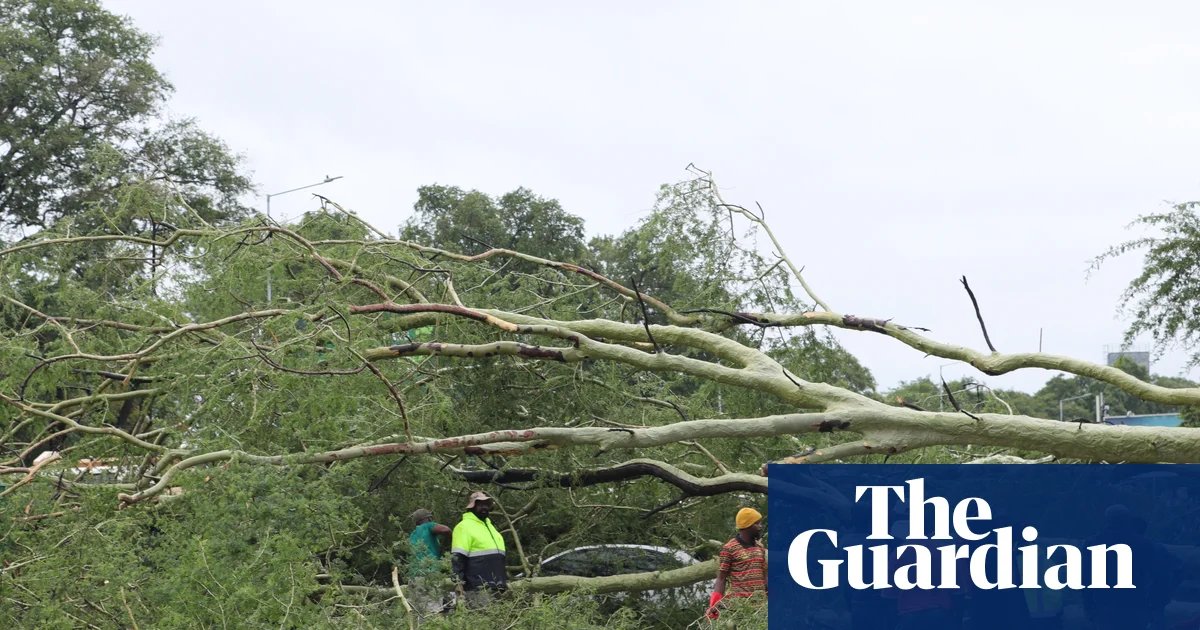
Large areas of north-eastern South Africa and neighbouring Mozambique have been inundated for several days with exceptionally heavy rainfall. Some locations in South Africa recorded hundreds of millimetres of rain over the weekend, such as Graskop in Mpumalanga, where 113mm fell in 24 hours, and Phalaborwa, which recorded about 85mm of rainfall. Rain has continued to fall across the region since the weekend.
The deluge has been driven by a slow-moving cut-off low pressure system that has remained anchored over the region, repeatedly drawing in moisture and triggering intense downpours. Further heavy rainfall is expected on Friday and over the weekend. Maputo, Mozambique’s capital, could expect daily rainfall totals to exceed 200mm by the end of Friday, while western parts of South Africa and north-western Eswatini may record more than 100mm.
The rain has fallen on already saturated ground after an unusually wet December, overwhelming river systems and causing widespread flooding. The South African weather service has raised its flood warning to the highest level as roads have been washed away, infrastructure damaged and large areas rendered inaccessible. Kruger national park has been closed, with flood waters forcing evacuations of staff and visitors.
Since October 2025, parts of Limpopo and Mpumalanga have received about twice their average annual rainfall. The prolonged wet weather is disrupting the harvesting and export of mangoes and lemons, threatening supply chains. Authorities have also warned of displaced wildlife, including crocodiles and hippos, which have been sighted near homes. Emergency services have also rescued residents trapped by rapidly rising rivers.
Meanwhile, in North America, January continued the theme of much of December with further record warmth. The core of the atypical warmth is focused to the north, with temperatures over the last few days 10-15C warmer than usual for this time of year across much of the US as well as in parts of eastern and western Canada.
Temperatures were so anomalous that you would be forgiven for thinking it was late spring in parts of Alberta, Canada, where temperatures exceeded 15C.
More widely across North America, many places experienced exceptionally warm days and nights, breaking January records. Unusually high temperatures are expected to continue across much of the western half of North America over the coming days, while in the eastern half an arctic plunge will bring temperatures well below normal for the time of year.