dailynewsnblog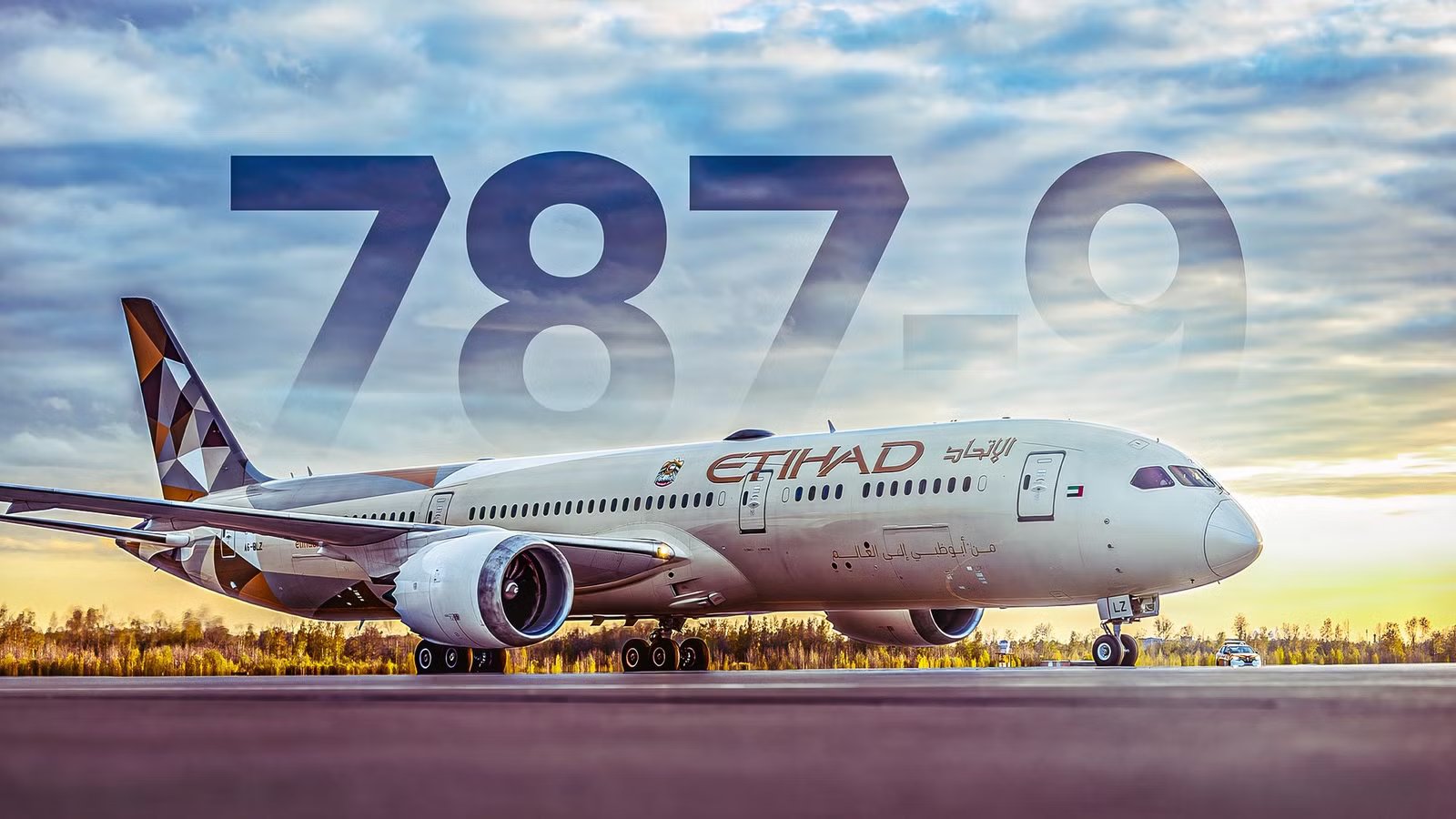
Etihad is one of nine Middle Eastern passenger airlines with US flights this year. Given the ongoing war in Iran, with widespread consequences, the market is, of course, somewhat disrupted, and might be for some time. Nonetheless, big changes are afoot.
According to Etihad’s schedule submission to OAG, its June plan shows an average of 7.1 daily departures from its Abu Dhabi hub to the US. Its offering has increased from 5.0 daily services in June 2025, which is a substantial rise of 42%, albeit from a comparatively small base. It has scheduled more US flights in 2026 than in any other year.
Etihad Has 42% More US Flights In June

While all summer months have substantially more services this year than in 2025 and other years, let’s focus on June. The airline’s development in that month is shown above. Notice the activity between 2015 and 2017, when Dallas/Fort Worth, Los Angeles, and San Francisco were served. This was part of Etihad’s massively loss-making period, which reflected years of excess, overambition, and misdirection.
The subsequent paradoxical ‘shrinking to grow’ is clear, although the pandemic played a role too. It is unclear to what degree the airline’s new foundation is truly solid and fit for future sustainability. And that’s critical, or it’ll be back to where it once was.
In June 2026, Etihad has scheduled the following six US routes. Compared to the same month last year, multiple major changes have materialized, as summarized below. Notice Charlotte. Flights to North Carolina begin on March 20, i.e., the day after this article was written.
Despite the war, there’s no indiction the launch has been postponed. In fact, a notable aircraft substitution has occurred: the 371-seat Airbus A350-1000 has been scheduled from day one, replacing the 303-seat Boeing 787-9. A source says that, “As Amadeus shows that all cabins are wide open in April [i.e., there haven’t been many bookings], it’s a foolish decision.”
How Etihad’s US Flights Are Structured

The image above shows Etihad’s US departures (green) and arrivals (blue) at its Abu Dhabi hub in mid-June. The airline’s second daily operation to  Chicago O’Hare is included. The additional daily service will depart from the UAE at 10:00 am—during the carrier’s largest US-bound departure bank—and return at 7:40 pm the following day, within the second-busiest arrivals bank.
As you can see, the hub’s coordination is extreme. This is for one reason: to drive substantial amounts of transit passengers. According to the US Department of Transportation, Etihad carried 1.11 million passengers to/from the US in 2025. Relating this figure to booking data suggests that just over seven in ten passengers connected to another flight in Abu Dhabi.

New Flights: 18 Of The Most Exciting Airline Routes Launching This Week
See which notable examples made the list this week…
Where Etihad’s US Passengers Went In 2025

Booking data shows that approximately 81% of Etihad’s US passengers traveled to/from South Asia last year. That was a significantly higher proportion than for Qatar Airways (37%) and Emirates (52%). But really, Etihad’s result was massively driven by India, which accounted for two-thirds of the airline’s transfer traffic.
India had around five times the passengers of the second-ranked Pakistan. Etihad’s third most popular country market to/from the US was Thailand, followed by Saudi Arabia, Sri Lanka, Indonesia, Israel, Oman, Bahrain, and Kuwait.
The most popular segment was New York JFK-Mumbai. Etihad had approximately a fifth of that large market. JFK-Delhi was next, followed by Chicago-Hyderabad, JFK-Ahmedabad, JFK-Lahore, Washington Dulles-Hyderabad, JFK-Hyderabad, Chicago-Ahmedabad, Chicago-Mumbai, and Boston-Mumbai. The first market not to include South Asia was JFK-Bangkok, in 30th place.