dailynewsnblog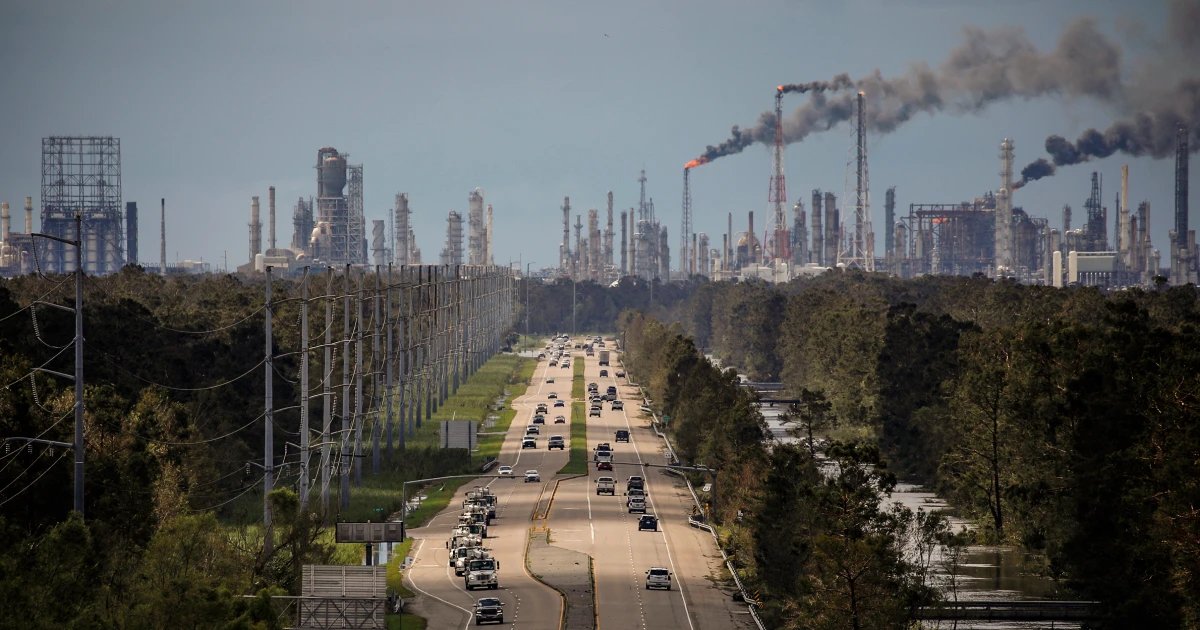
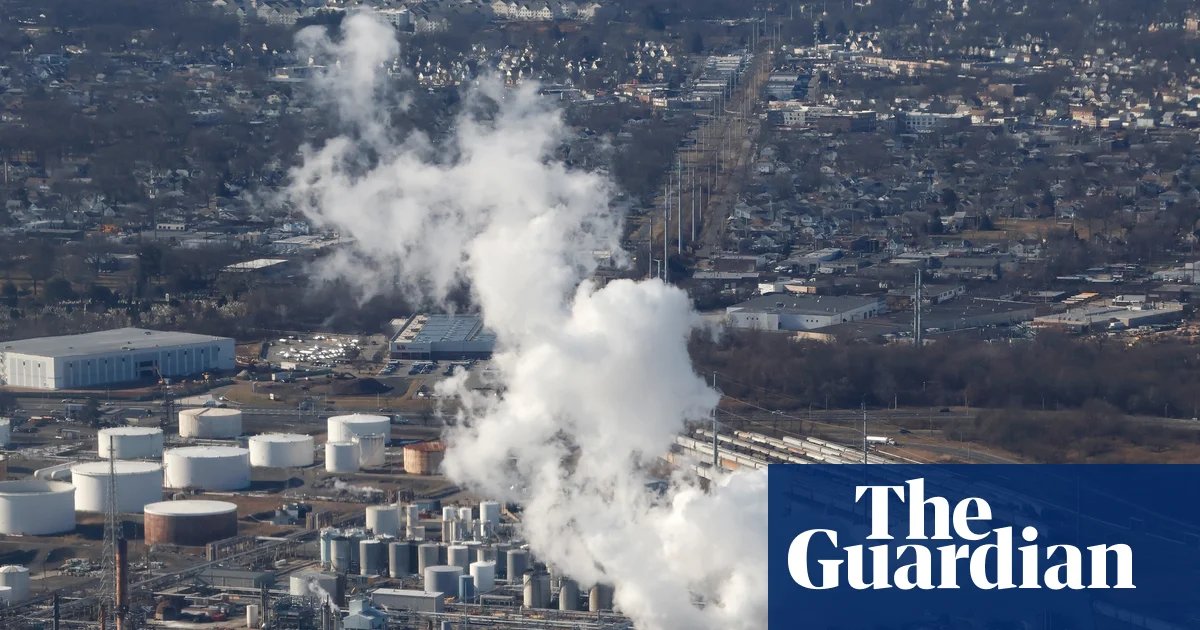
President Donald Trump announced Thursday that the Environmental Protection Agency is rescinding the legal finding that it has relied on for nearly two decades to limit the heat-trapping pollution that spews from vehicle tailpipes, oil refineries and factories.
The repeal of that landmark determination, known as the endangerment finding, will upend most U.S. policies aimed at curbing climate change.
The finding — which the EPA issued in 2009 — said that the global warming caused by greenhouse gases like carbon dioxide and methane endangers the health and welfare of current and future generations.
“We are officially terminating the so called endangerment finding, a disastrous Obama era policy,” Trump said in a news conference Thursday. “This determination had no basis in fact — none whatsoever. And it had no basis in law. On the contrary, over the generations, fossil fuels have saved millions of lives and lifted billions of people out of poverty all over the world.”
Major environmental groups have disputed the administration’s stance on the endangerment finding and have been preparing to sue in response to its repeal.
The endangerment finding underpinned the EPA’s ability to regulate greenhouse gas pollution from vehicles and power plants and to mandate that companies report their emissions. It required the federal government to take action on climate under the Clean Air Act.
The Supreme Court in 2007 ruled that the EPA had the authority to regulate heat-trapping greenhouse gases and acknowledged that harms associated with climate change are “serious and well recognized,” which led to the creation of the endangerment finding two years later.
The White House and the EPA have called the finding’s repeal “the largest deregulatory action in American history.” It’s the Trump administration’s most significant attempt yet to diminish efforts to address climate change. The U.S. officially left the 2015 Paris Agreement for the second time last month and is also expected to withdraw from the United Nations Framework Convention on Climate Change, leaving America without a meaningful voice in global climate talks.
Trump, who has called climate change a “con job,” canceled nearly $8 billion in funding for clean energy projects in October (though a judge later ruled that some of those terminations were unlawful). And the Energy Department announced Wednesday that it will spend $175 million to extend the life of six coal plants — the latest in a series of moves to prop up coal.
Last year was the third-warmest in modern history, according to the European Union’s Copernicus Climate Change Service. The last 11 years have been the 11 hottest ever recorded.

Trump and EPA Administrator Lee Zeldin also announced Thursday that the agency is removing all greenhouse gas emissions standards for vehicles.
“We are repealing the ridiculous endangerment finding and terminating all additional green emissions standards imposed unnecessarily on vehicle models and engines between 2012 and 2027 and beyond,” Trump said.
The EPA will still regulate pollutants in tailpipe emissions that hamper air quality, such as carbon monoxide, lead and ozone.
At a news briefing last month, Manish Bapna, the president and CEO of the Natural Resources Defense Council, called the expected repeal “a gift-wrapped package for the fossil fuel industry.”
“It is unscientific, it is bad economics and it is illegal, so we’re going to fight it. We will see them in court,” he said.
Following Trump’s announcement Thursday, several other organizations announced their intention to sue, including the American Lung Association, American Public Health Association, Alliance of Nurses for Healthy Environments and Physicians for Social Responsibility.
“As organizations committed to protecting public health, we will challenge this unlawful repeal,” they said in a statement.
The coming legal battles will almost assuredly take years to resolve, with the administration’s justifications for its repeal up against ample scientific evidence of climate change’s harms in court.
In its draft of the rule repealing the endangerment finding, the EPA argued that it had overstated the risks of heat waves, projected more global warming than had taken place and discounted benefits of increases in carbon emissions, like increased plant growth. Independent science organizations have dismissed many of those arguments and pushed back against a controversial Energy Department report that the EPA cited in its proposal.
“The climate is changing faster than ever before, driven by human activities, and the resulting impacts on people and the world we depend on are becoming ever more dire,” the American Geophysical Union said in a statement about the Energy Department report.
“The changing climate is directly causing or exacerbating global average temperature increases and heat waves, sea level rise and storm surge, and ocean acidification, and is causing extreme weather events such as hurricanes, floods, wildfires, and drought to occur with greater frequency, intensity, or both.”
The administration has said it is reconsidering other policies that hinge on the endangerment finding, including regulations on methane, a potent greenhouse gas.
Interior Secretary Doug Burgum said Wednesday on Fox Business that repealing the finding would boost the coal industry.
“CO₂ [carbon dioxide] was never a pollutant,” he said. “The whole endangerment thing opens up the opportunity for the revival of clean, beautiful American coal.”