dailynewsnblog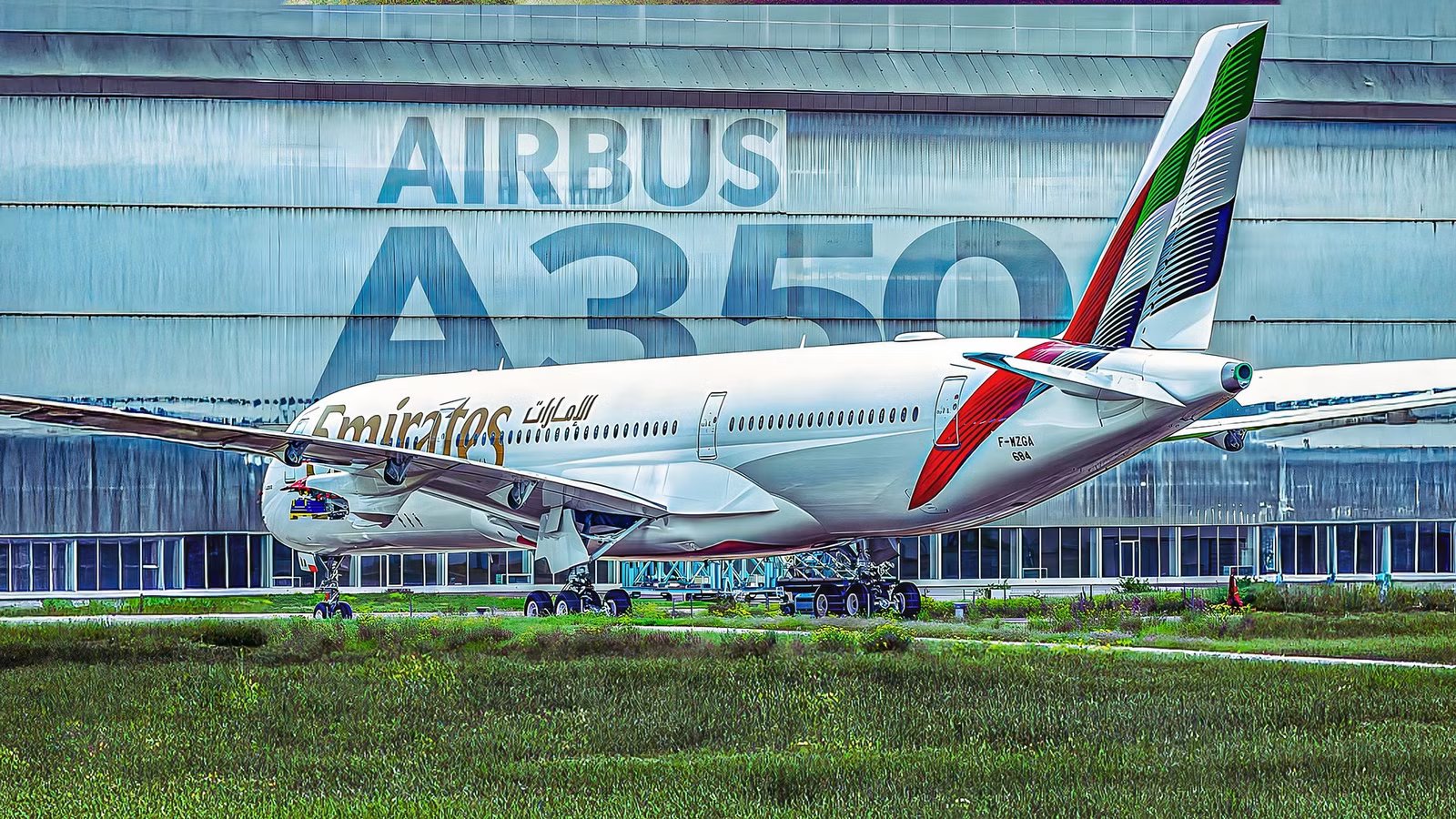
On January 13,  Emirates revealed that Helsinki will finally join its network. It has been a long time confirming. The Gulf giant will now have passenger flights to 41 European airports this year—unless, of course, even more routes are announced. It came shortly after Etihad Airways added an odd new European route.
Emirates’ narrowbody-operating sibling  flydubai served Helsinki between 2018 and 2022. Neither Etihad Airways nor Qatar Airways fly to Helsinki. However, the Qatari flag carrier did fly there until 2022, when partner and fellow oneworld member Finnair took over Doha-Helsinki on its behalf.
Emirates To Helsinki

In the 12 months to October 2025, booking data shows that more than 13 million local passengers flew between Europe and Dubai. They did not go elsewhere. And with 60,000 local passengers, the Helsinki to  Dubai market is a decent size.
It was always ‘when’ not ‘if’ Emirates would serve the city, or flydubai would return. The market has been part of Finnair’s network for years and, in the past, was also served by Norwegian, TUIFly Nordic, etc. Unsurprisingly, Finnair only serves Dubai on a winter basis.
Emirates’ brand-new route has now been confirmed, with the first flight taking off on October 1. It will start in time for the critical winter period, with Helsinki—like other Nordic capitals—having strong demand for Asian hotspots.
Emirates will serve Helsinki daily year-round. Flights will use its new Airbus A350-900, although it is currently unclear if the 298-seat or 312-seat configuration will be scheduled. It’ll provide a huge amount of capacity compared to when flydubai served the market. Will it be too much? Still, meaningful belly-hold freight can now be transported. Recently, Emirates added the A350 on five more routes—make that six with the addition of Helsinki.
Where Will Passengers Go?

To maximize two-way connectivity in Dubai, Helsinki flights will depart from the UAE during Emirates’ busiest departure bank of European-bound flights. And, you can guess, they’ll arrive home around midnight, which is during the airline’s busiest arrivals bank of European services. These things can be seen in the image above from OAG for the first week of October.
Emirates’ new route will focus massively on Asian traffic. Finnair serves some of the most popular cities on a nonstop basis. Of course, it must detour en route to avoid Russian and Ukrainian airspace, so flying Emirates’ via Dubai, including to Northeast Asia, is not as dramatic as it might otherwise be.
The top 15 markets are Bangkok (134,000 passengers), Tokyo (92,000), Shanghai (82,000), Seoul (61,000), Hong Kong (50,000), Delhi (49,000), Singapore (49,000), Phuket (35;000; getting a third daily Emirates flight), Manila (24,000), Taipei (18,000), Ho Chi Minh City (15,000), Mumbai (15,000), Sydney (14,000) Colombo (13,000), and Nairobi (13,000). Finnair will start Australian flights this year.
|
Dubai To Helsinki; Local Times |
Helsinki To Dubai; Local Times** |
|---|---|
|
8:45 am-2:55 pm |
4:45 pm-12:20 am+1 |
|
* Shown in Simple Flying’s new time format |
** Shown in Simple Flying’s new time format |

British Airways Has Ended Airbus A380 Flights On 8 Routes: Full List
The double-decker quadjet is no longer used to eight airports on four continents or regions.
Emirates’ 41st European Destination

Based on the airline’s schedule submission to OAG, it plans to operate the passenger routes shown above, encompassing 41 European airports. Of course, this reflects the situation as of January 13, and is certainly likely to change. It has one long-served stopping route: Dubai-Larnaca-Malta. And two routes continue to the US: Dubai-Athens-Newark and Dubai-Milan Malpensa-New York JFK.
In October, when Helsinki flights will be operating, Emirates will now have an average of 80 daily departures to Europe. They’ve risen by 7% compared to October 2025 and by a more modest 3% compared to before the pandemic in October 2019. Due to the entry and growing use of the lower-capacity A350, seats per flight have fallen from 444 seven years ago to 435 in October 2025 and 420 in 2026. That decrease will only continue.