dailynewsnblog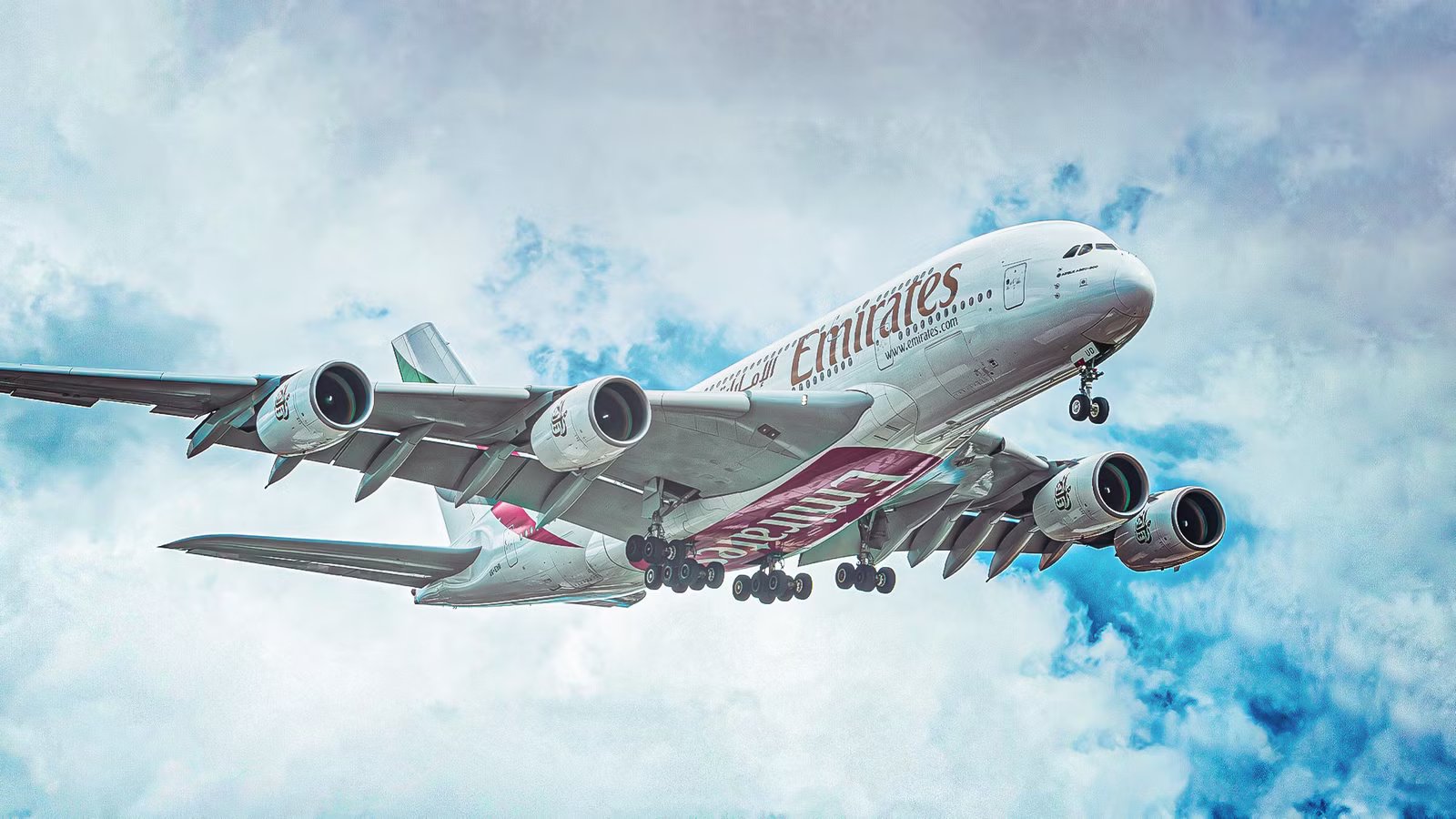
An Emirates Airbus A380 was among two commercial aircraft damaged during Iran’s initial drone attacks on  Dubai International Airport (DXB) in the early stages of the ongoing 2026 Iran Crisis. The superjumbo suffered an unspecified level of damage while parked at DXB, while a Saudia Airbus A321 was also reportedly damaged around the same period.
Gulf airlines continue to operate hundreds of daily flights despite the threat of Iranian drones and other airspace hazards. Although special measures have been implemented to safeguard commercial aircraft operating in the region, the vulnerability of commercial aircraft remains a major concern.
Emirates A380 And Saudia A321 Damaged By Iran Strikes

As first reported by The Wall Street Journal, sources familiar with the matter have revealed that an Emirates A380 sustained damage during Iranian suicide drone attacks on Dubai’s primary airport during the early weeks of the current conflict. The exact date that this occurred has not been disclosed, but there have been multiple instances of Iranian drones hitting the airport. The first attack took place on February 29 — just one day after Israel and the US began their campaign against Iran — while the most recent strike of note hit a fuel tank during the early hours of March 16.
Even unsuccessful drone strikes can damage aircraft due to falling debris from interceptions. Along with the  Emirates superjumbo, one of Saudia’s Airbus A321 narrowbodies was also damaged in Dubai over the past few weeks. The extent of damage sustained by both aircraft is not known at this time. Simple Flying has reached out to Emirates for more information and will update this story accordingly. A handful of private aircraft have also reportedly sustained damage, including three planes hit by interception debris at Tel Aviv’s Ben Gurion Airport (TLV) within the past week.
Is It Safe To Fly In The Middle East?

Airlines in the Gulf region have demonstrated considerable resilience to keep their networks intact, albeit with significant cuts, despite the chaotic situation surrounding their hub airports. However, airlines are skirting a razor-thin line between operational consistency and safety, with many flights taking off or landing within minutes of explosions and drone incidents occurring.
For example, a WSJ analysis found that around 40 passenger aircraft have continued to take off or land at DXB within five minutes of incoming drone alerts, jeopardizing the safety of thousands of passengers. This also doesn’t account for the scores of approaching aircraft occupying high-risk airspace around the airport.
UAE airspace has seen the highest instance of drone and missile strikes from Iran, experiencing more than double the rate of incidents compared to neighboring countries. Given the UAE’s proximity to Iranian territory, the country has as little as two minutes’ warning for ballistic missiles and around 15 minutes for drone attacks, according to Osprey Flight Solutions.

Fragile Reset: Middle East Hubs Cautiously Reopen Under Threat Of Continued Drone Strikes
Airlines in the region maintain caution and continue to operate with paramount safety.
Safety Procedures In Place

Gulf carriers like Emirates,  Etihad Airways and
  Qatar Airways are doing their best to ensure the safety of passengers flying in and out of the region. Special flight corridors have been established, while jet fighters have also been dispatched to escort commercial jets and protect them from possible drone attacks.
As it stands, Emirates is operating around 60% of its pre-conflict schedule. The airline is eyeing a full restoration of operations by the end of this month, stating that it will resume operations to 100% as of March 29, but this is dependent on the security situation. Qatar Airways has yet to restore its schedule to this degree, instead sending many of its aircraft into storage.
According to Dubai Airports Chief Executive Paul Griffiths, systems to detect and intercept incoming threats have so far proven “very, very effective and efficient.” Since the outbreak of hostilities in the Middle East, more than one million passengers have flown through UAE airports. While this is much lower than typical numbers over the same period, it is still a significant amount of traffic passing through an area of extreme risk.