dailynewsnblog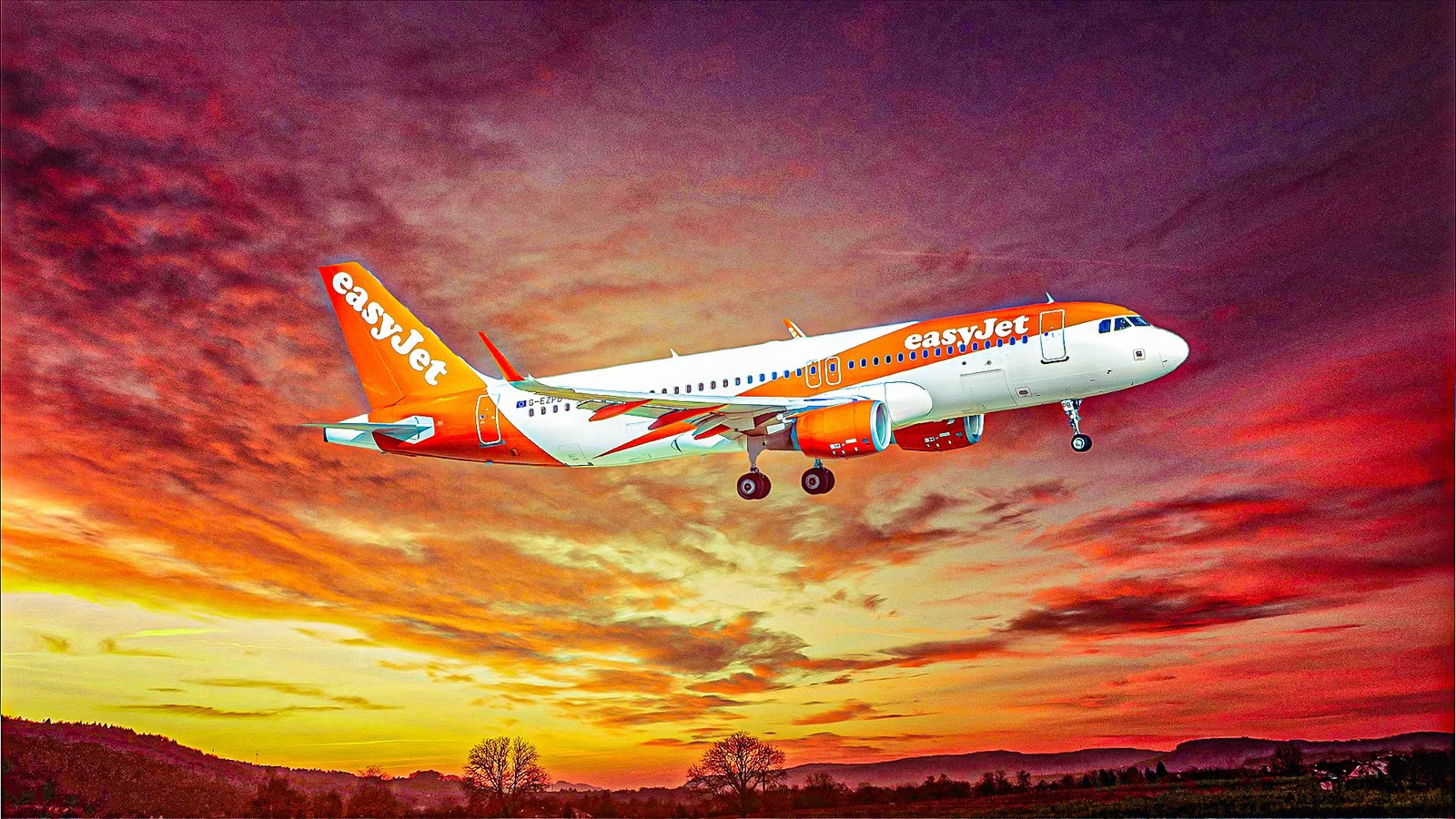
An easyJet flight was forced to abort its landing at Paris Orly Airport (ORY) after a nearby wedding procession set off mortar-style fireworks directly beneath the aircraft’s final approach path. A series of bangs and smoke plumes prompted the flight crew to make an emergency go-around before being redirected to land on a different runway.
A wedding procession of approximately 15 vehicles in the town of Villeneuve-le-Roi, which sits on the edge of the Paris Orly perimeter, had been shooting fireworks into the air as the flight descended. easyJet has confirmed that its aircraft was not hit during the incident, adding that the safety of passengers and crew was not in danger.
Fireworks Send easyJet Flight Into Go-Around

As first reported by Le Parisien, the incident occurred on Easter Sunday as easyJet flight U2 4874 was on its final approach to Paris Orly following a flight from Venice Marco Polo Airport (VCE). At 05:40 PM local time, the Airbus A320 was on its final approach to Runway 3 when the flight crew spotted smoke and small explosions near the runway threshold. The captain immediately aborted the landing by performing a go-around, climbing away from the hazard and circling the airport. Data from Flightradar24 shows the flight reached an altitude of around 500 feet before pulling up, and would eventually land safely on Runway 4 around 15 minutes later.
|
Date |
April 5, 2026 |
|
Airline |
easyJet |
|
Flight Number |
U2 4874 |
|
Aircraft |
Airbus A320 |
|
Departure |
Venice Marco Polo Airport (VCE) |
|
Destination |
Paris Orly Airport (ORY) |
|
Fate |
Landed safely after go-around due to nearby fireworks |
The source of the disruption was traced to a large wedding procession of around 15 vehicles, consisting of luxury cars and quad bikes, which had gathered in a suburb directly below the airport’s approach corridor. A witness reportedly captured video of the procession shooting several fireworks into the air, and has handed this footage over to law enforcement. easyJet confirmed the incident had taken place, stating that the flight went around “due to perceived fireworks in the vicinity of the runway.” An easyJet spokesperson added,
“easyJet’s pilots are highly trained in order to perform ‘go-arounds’ as a precaution and in line with our procedures and the flight landed normally. At no point was the safety of the passengers onboard compromised.”
Runway Closes For 90 Minutes

The easyJet flight was initially cleared to land on Paris Orly’s Runway 3 before its abrupt deviation. The airport immediately closed operations on Runway 3, keeping the runway out of operation for approximately 90 minutes. During this period, ground teams worked to ensure the runway was safe and clear of any foreign object debris (FOD) that may have landed.
ORY’s Runway 4 is typically used for departures only at that time of day, but the easyJet A320 was cleared to land on it, as opposed to the airport’s Runway 2, which is reserved for emergencies or other exceptional circumstances. The airport would continue to divert traffic to Runway 4 until it was able to reopen Runway 3 at approximately 07:00 PM local time.
It isn’t known how many passengers and crew were onboard the flight on Sunday. An easyJet A320 can seat up to 186 passengers in an all-economy layout, and is typically overseen by a crew of eight, including six flight attendants and two pilots.

Fireworks Don’t Fly: TSA Warns Against Dangerous Goods During Peak Independence Day Travel
The TSA has reiterated that there are rules how to fly with dangerous goods, including replica firearms.
How Dangerous Are Fireworks To Commercial Flights?

Although easyJet has confirmed that the aircraft was not hit by anything during the incident, the consequences of a direct hit by fireworks could be devastating. The landing phase is one of the most critical periods of a flight, where an aircraft is more vulnerable due to its reduced speed and lower altitude.
Firework debris could cause various safety threats, such as engine failure if ingested, while smoke and explosions are visible distractions for pilots during the landing phase. As mentioned previously, debris on the runway is also a major safety concern, potentially leading to tire blowouts or engine ingestions during high-speed takeoff rolls.