dailynewsnblog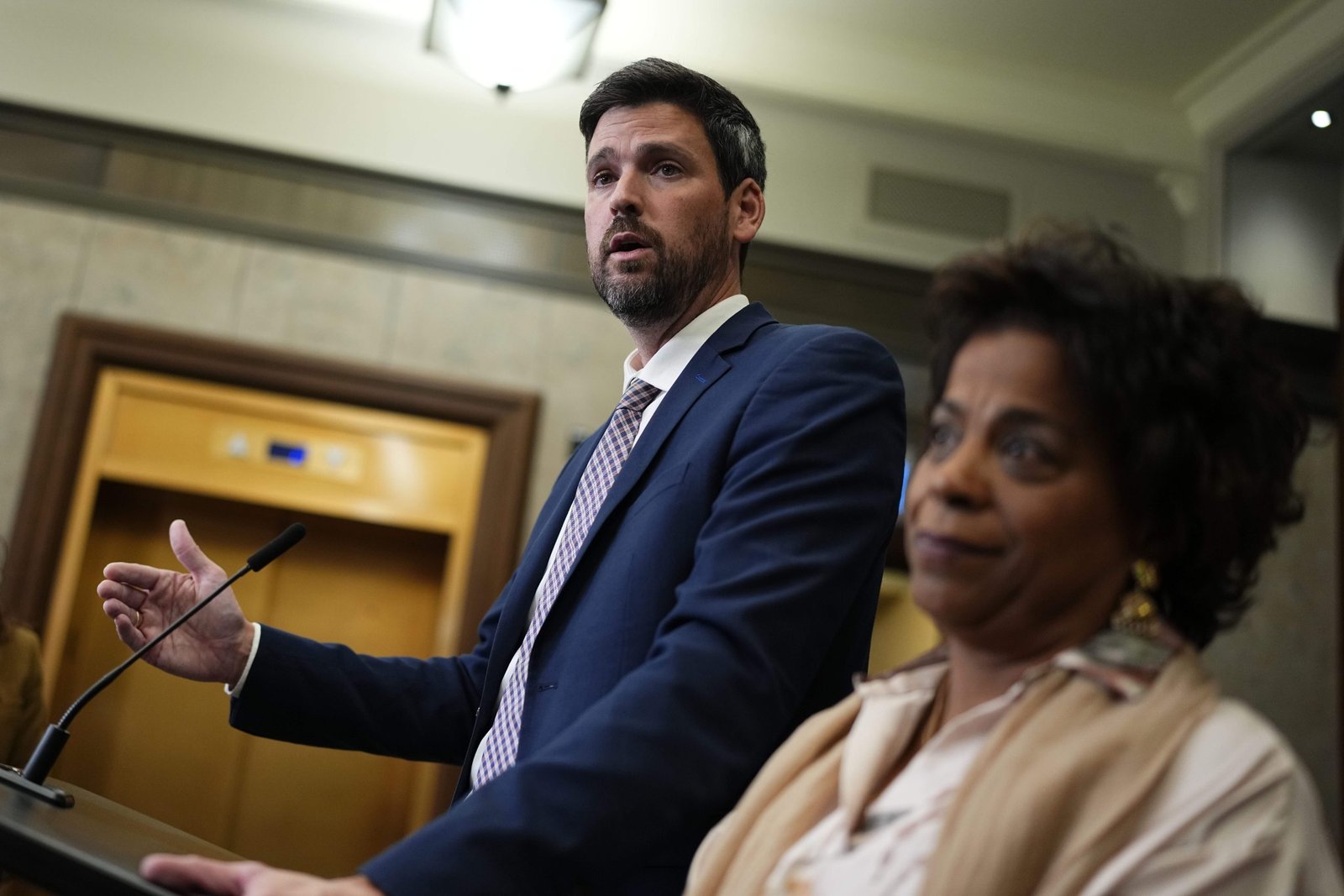
The Liberals are planning to table legislation to cancel the planned expansion of medical assistance in dying for people whose sole underlying condition is a mental illness, Justice Minister Sean Fraser announced Wednesday.
The decision is a direct recommendation from a report tabled in the spring by a special parliamentary committee tasked with examining the MAiD framework.
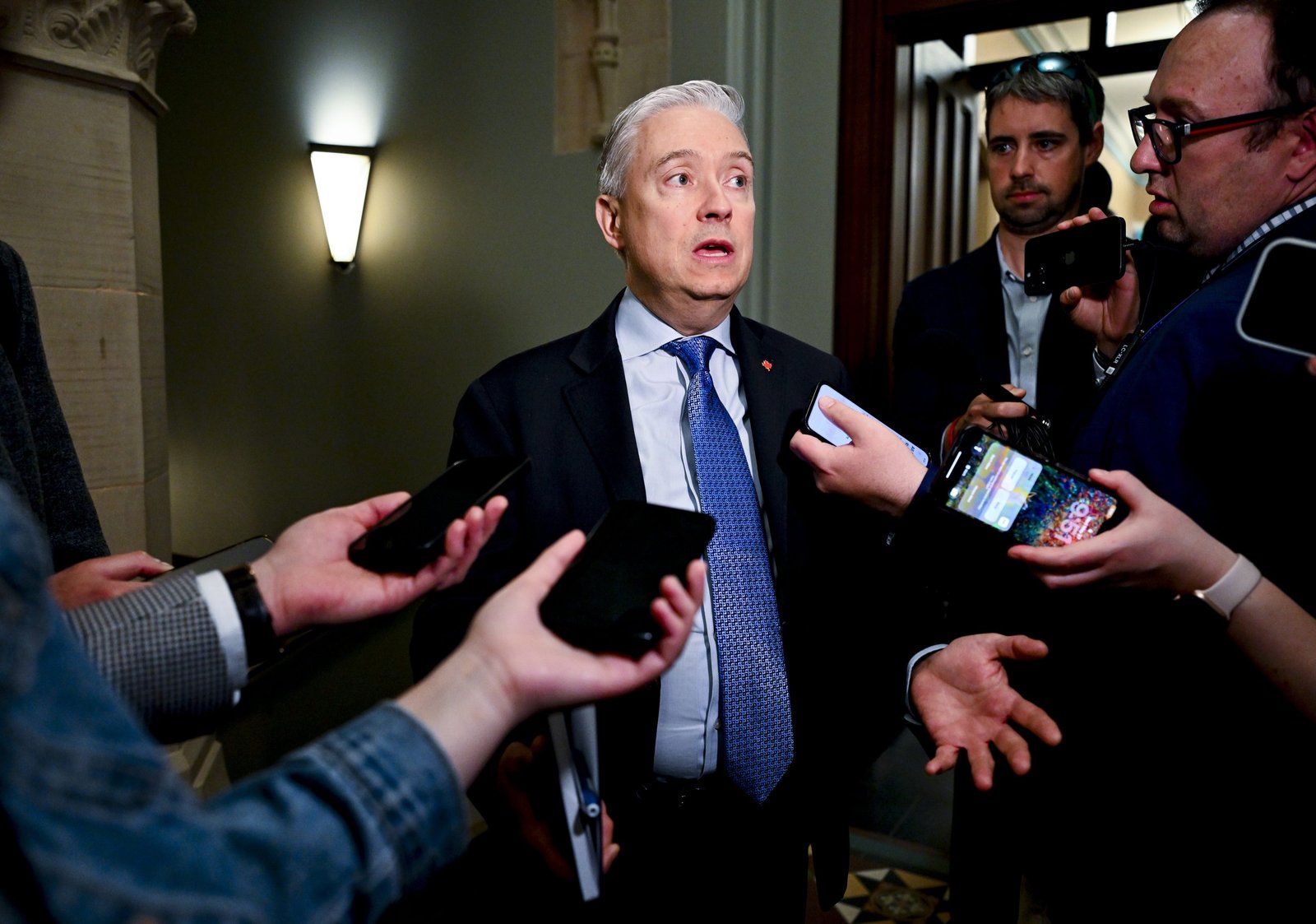
Fraser told reporters outside West Block that legislation wasn’t coming this week, but he wanted to put the government’s position on the record as MPs prepare to vote on a Conservative private member’s bill on Wednesday.
“While there is not a perfect consensus on this issue, we believe this is the correct approach at this particular time,” he said, citing concerns such as the lack of access to mental health supports in some communities.
Tamara Jensen’s bill would have removed mental illness alone as a condition for accessing MAiD. Fraser said the government opposes it because its use of the term mental disorders is overly broad and could remove MAiD access from those who have serious neurological diseases.
Marco Vigliotti reports.

Canada’s industry minister said Wednesday Stelco Holdings Inc. cannot use the trade war to justify cutting jobs it committed to when it bought the Hamilton, Ont.-based steel plant, particularly when the head of its U.S. parent company has publicly backed steel tariffs.
Mélanie Joly told reporters that the chief executive of U.S.-based Cleveland-Cliffs has supported steel tariffs and therefore cannot characterize the company’s plan to lay off up to 500 workers due to tariffs and market pressures as beyond its control.
“He’s in favour of these U.S. tariffs against steel,” she said, referring to Cleveland-Cliffs CEO Lourenco Goncalves’ public support of American steel tariffs.
“They cannot say that this is now an act of God or force majeure.”
The Canadian Press has more.
Mining industry representatives worry Ottawa is backing away from a 2025 Liberal campaign promise to let flow-through funds cover the engineering, economic and feasibility studies required before a mine can be built.
Backed by companies, provinces and First Nations, the Association for Mineral Exploration has spent the last few months pressing Ottawa to widen what qualifies for Canadian exploration expense claims.
The change is the only request the association plans to make ahead of the budget, as it looks to capitalize on a government that has made the natural resources sector a priority.
Its CEO, Todd Stone, met with federal officials in Ottawa last week as part of that push and came away cautiously optimistic the change could be in the next budget.
Aya Dufour has that story.

Also, Michigan Republican Senate candidate Mike Rogers has broken with U.S. President Donald Trump over his trade war with Canada.
In a campaign ad posted on social media today, Rogers says people in Michigan “know that Canada is not our enemy” and calls for an end to the “tariff war.”
While Rogers doesn’t mention Trump’s name in the ad, it marks a change in tone for the former congressman, who previously said tariffs are necessary.
The president’s trade war with Canada has become a ballot issue in the close race between Rogers and Democrat candidate Abdul El-Sayed.
The race could prove critical to determining which party controls the Senate after the midterm elections next month.
CP’s got this one.
In Other Headlines
Sponsored Content
Phase 2 of Canada’s LNG journey launches, expanding opportunities in Canada and beyond
Internationally
Elsewhere, satellite images show attack jets stationed at a new Chinese military facility in Laos, which opened last week and gives Beijing’s air force its first foothold in mainland south-east Asia.
Images provided by the commercial satellite provider Vantor show eight light attack aircraft positioned at Ban Keun airport alongside what appear to be more than a dozen military vehicles lined up in rows.
The planes’ shape matches that of the Chinese-made Hongdu JL-8 jet, a two-seat trainer that can be deployed in combat to carry bombs. Laos is reported to have four such aircraft, according to the London-based International Institute for Strategic Studies.
In a rare example of Beijing’s overseas military expansion, China opened what it said was a joint “support and training centre” at Ban Keun on 29 September.
The Guardian has more.
Less than a month before the midterms, the price of fuel is becoming a powerful election issue.
This week, President Trump issued an executive order aimed at lowering costs for frequent diesel users by making a type of fuel called “dyed diesel” more accessible through the end of the year.
Could this lower the cost of diesel?
Prices for all kinds of oil products have risen this year because fewer ships have been getting through the Strait of Hormuz and transporting crude to refineries worldwide — but the diesel supply chain has been uniquely hit. Ukraine’s recent attacks on Russian refineries have taken many of them offline, and Russia has cut back on its diesel exports. China has, too.
Read more from NPR.