dailynewsnblog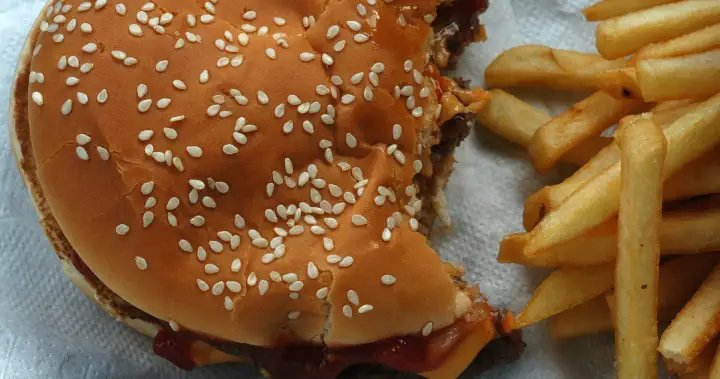
Canadian fast food chain A&W told its investors on Thursday that sales were up nationally, despite affordability challenges plaguing Canadians and causing many to cut back on eating out.

The spike in sales was fuelled, in large part, by a consumer focus on value deals, CEO Susan Senecal said in a statement. Experts say it likely reflects a bigger trend of people looking to stretch their dollars as food prices — including at many fast food chains — increase.
“When people are suffering from affordability issues, they start looking for ways to economize. If fast food places can come out and say, ‘We’ll give you a burger, fries and a drink for five bucks,’ that’s going to catch people’s attention,” Concordia University economist Moshe Lander said.
Senecal said the chain’s sales rose by $14.6 million for the final quarter of 2025 compared with this time last year. The company pointed to its Value Deals menu, which was introduced last year and has a variety of menu offerings under $4, as being crucial to attracting more customers.
A&W is not alone, as Restaurants Brands International — the company behind Tim Hortons, Burger King, Popeyes and Firehouse Subs — posted a $113-million profit for the last quarter of 2025.
The search for value is also driving people towards discount stores, such as Dollarama, which saw its stock surge last year.
According to some reports, fast food prices in the U.S. rose by 3.2 per cent year over year in 2025, which was above the increase of inflation, driving low-income consumers away from big chains.

Get weekly money news
Get expert insights, Q&A on markets, housing, inflation, and personal finance information delivered to you every Saturday.
While food inflation in Canada was around 4.8 per cent in January, Statistics Canada showed that restaurant inflation was much higher at 12.3 per cent.
In an earnings call with investors last month, McDonald’s CEO Christopher Kempczinski said they’ve been able to win back their low-income customers with promotions such as their McValue deals.
“We’ve seen traffic hold up pretty well with upper-income consumers and traffic has been pressured with lower-income consumers. And of course, lower-income consumers are more value and affordability sensitive,” he said.


“Unfortunately, diet is the first thing to go when you have to try and find ways to save money. And so that economy-size bag of Doritos is going to beat out fruits and vegetables,” Lander said.
“We’re not only seeing a downturn diet, but the interesting thing, too, is the way that shrinkflation has been changing people’s diets,” he said, pointing to social media trends of people comparing how much smaller food packets are compared with a few months ago.
While fast food chains may offer “value” meals, Lander warns that the size of their offerings could end up shrinking.
“The fries are smaller in size or the burgers are a little bit thinner, the toppings are a bit less. Probably the same thing goes for the pop,” he said.
A Desjardins report released Thursday said that while overall inflation more or less stayed around the two per cent mark last year, food inflation has accelerated.
“Food inflation accelerated sharply after the pandemic. And while conditions briefly improved, food price growth picked up again in 2025,” Desjardins economist LJ Valencia said in the report.
“After the COVID‑19 pandemic, food price growth accelerated at a pace not seen since the early 1980s. And more recently, food inflation has run hotter in Canada than it has south of the border,” the report added.
A combination of demand outstripping supply, U.S. tariffs, supply chain disruptions and climate change is contributing to higher food prices across the board, Lander said.
“If I’m hungry at two o’clock in the afternoon in the way that I didn’t used to be, and I need something to hold me over, I’m going to go to Dollarama to buy a cheap bag of chips,” he said.
— with files from The Canadian Press
© 2026 Global News, a division of Corus Entertainment Inc.