dailynewsnblog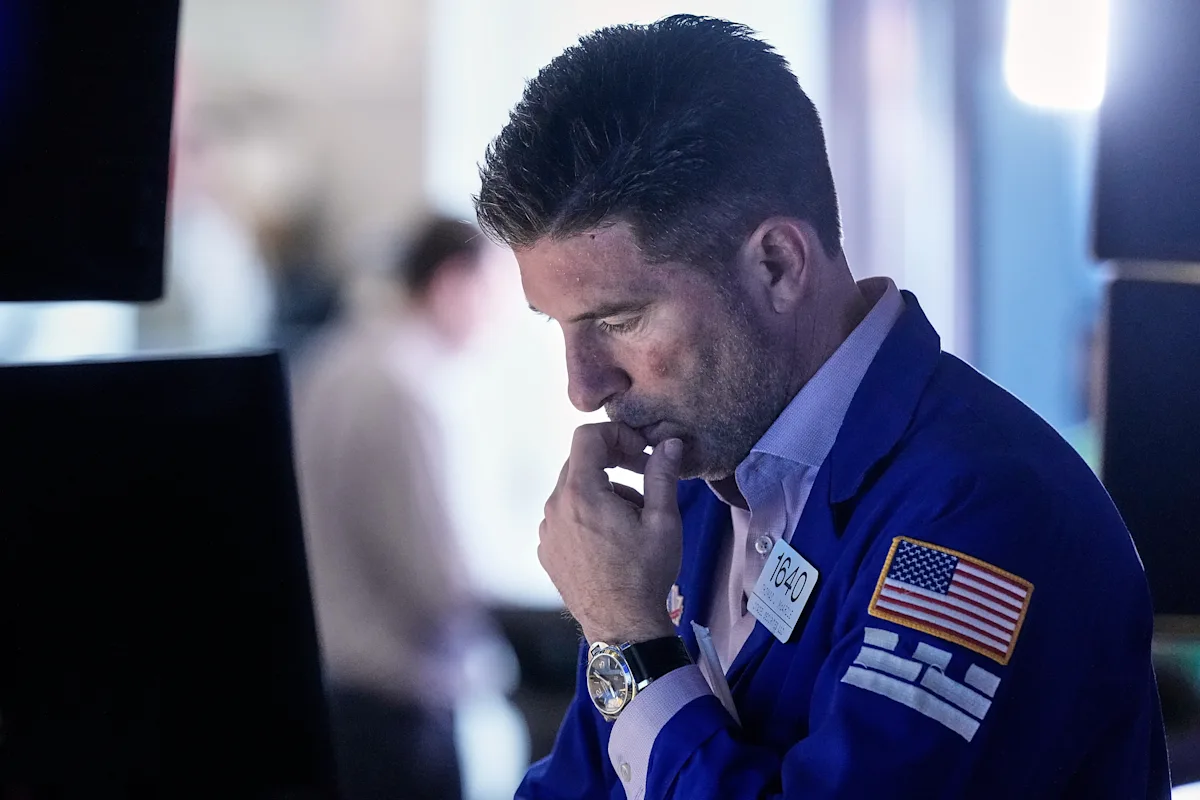
US stock futures plummeted Sunday night while oil prices surged, as coordinated military strikes by the US and Israel on Iran jolted global markets.
Futures tied to the Dow Jones Industrial Average (YM=F) dropped about 1%, or over 500 points. Contracts on the S&P 500 (ES=F) and Nasdaq 100 futures (NQ=F) also sank around 1%.
The strikes came late Saturday after Tehran rejected US demands to scale back its nuclear program. Iranian leaders have promised a strong response, raising the possibility of a broader regional confrontation.
Oil markets reacted immediately. Brent crude futures (BZ=F), the international benchmark, jumped roughly 13% in early trading to trade around $80 a barrel, while US benchmark WTI (CL=F) traded around $73. Iran is OPEC’s fourth-largest producer, and questions remain about political leadership and stability in the aftermath of Supreme Leader Ali Khamenei’s death. Gold (GC=F) futures also jumped.
The geopolitical shock adds to an already uneasy environment for equities. The S&P 500 (^GSPC) ended Friday lower and closed February in negative territory as renewed volatility in artificial intelligence and software stocks rattled markets. Investors have increasingly questioned whether rapid AI adoption could undermine traditional software companies’ business models.
Headlining the week’s economic calendar is Friday’s February jobs report, with Wall Street expecting the US to have added 60,000 jobs, down from January’s stronger-than-expected 130,000 gain that eased recession fears.
In corporate news, earnings season continues, with Broadcom (AVGO) reporting on Wednesday, followed by Marvell Technology (MRVL) on Thursday. Retail earnings will also be in focus, led by Target (TGT) and Costco (COST).
Coming soon
Stock market coverage for Monday, March 2, 2026.