dailynewsnblog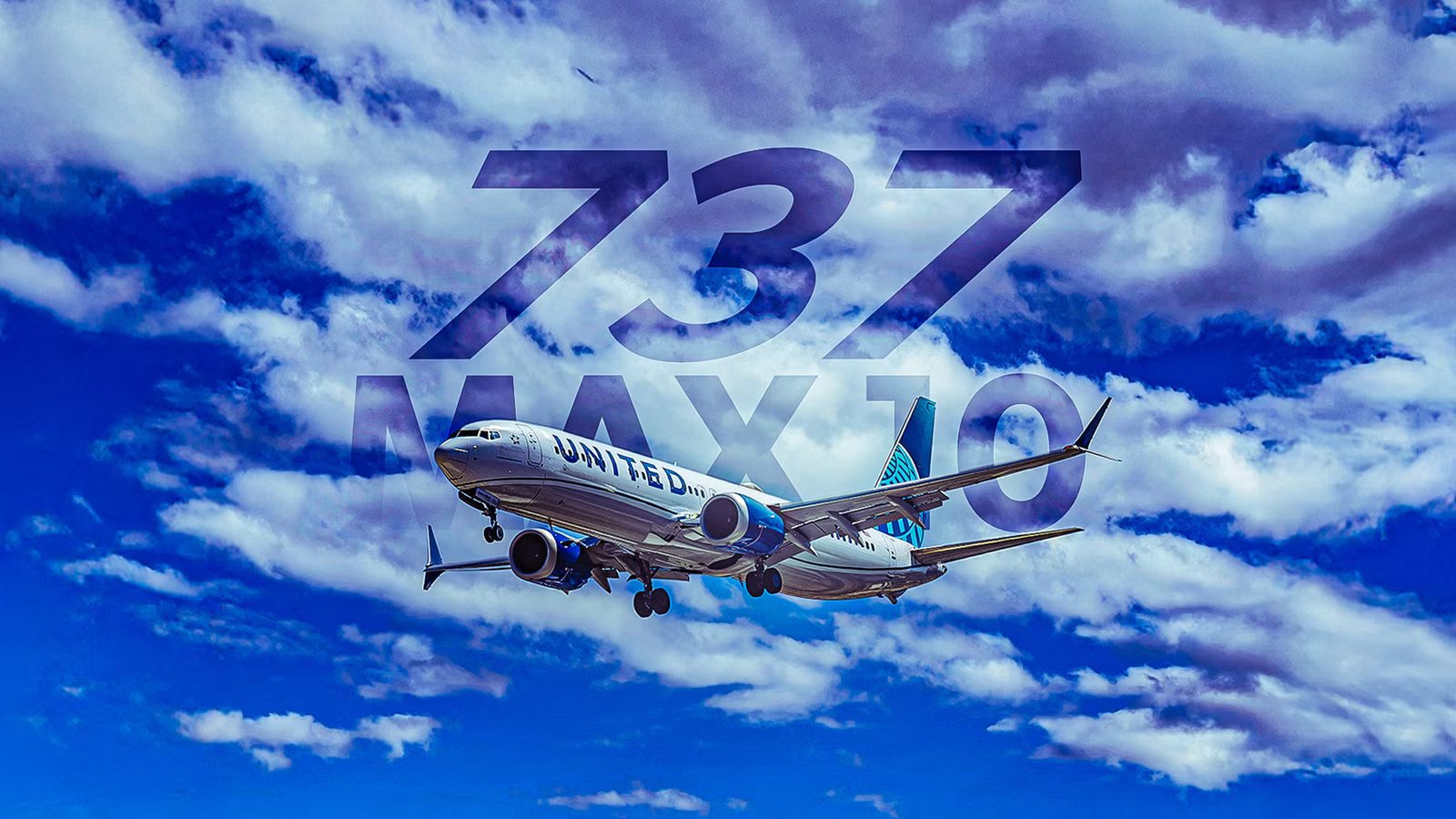
Oversight of the maintenance practices at  United Airlines by the Federal Aviation Administration has been suggested as being hindered by ineffective workforce training, inadequate staffing, and ‘hurdles’ towards the access of air carrier data. This has been suggested by the federal watchdog after an audit of FAA supervision published in a recent report by Reuters.
Following a string of safety incidents leading up to 2024, intervention was boosted for the FAA to provide additional oversight into the airline. Most recently, the US Transportation Department Office of Inspector General requested an audit of the FAA supervision for the carrier.
Insufficient To Oversee Safety Risks

The office of the Inspector General noted this week that the FAA has inadequate staffing, with the lack of inspectors often resulting in inspections being undertaken virtually, rather than in person, or postponed to save time. This suggests the FAA has insufficient capabilities and poor oversight to audit and understand the safety risks for the airline.
This report also found that the department managing the United Airlines oversight has 33% vacancies in positions and struggles with high amounts of staff turnover. This failure to fill critical positions has left the FAA United Office understaffed and thus ill-equipped to manage the surveillance responsibilities for the airline. United Airlines provided a statement, as noted by David Shepardson on X:
“United has long advocated in favor of providing the FAA with the resources it needs for its important work. We work closely with the FAA every day, as well as employing our own robust internal safety management system and maintenance procedures to maintain the safety and reliability of our fleet.”
Plenty Of Job Vacancies

In the report, the OIG was told by the FAA that it plans to implement a systematic approach to be able to boost inspector capacity and take other measures to ensure that its staffing levels are at a capacity where it can meet the expected surveillance requirements. Back in 2024, the FAA noted it found new significant safety issues for United Airlines, which saw the end of the advanced oversight and approval process, for the airline to be able to increase the number of aircraft in its fleet, and boost additional services.
During this time, the FAA has also been forced to deploy inspectors to other aircraft to ensure the oversight of more than 500 Boeing 737 aircraft, which include the MAX 8 and 9, which are integral to the United Airlines fleet, and make up more than half of the airline’s total number of aircraft.
In contrast, the FAA has just three inspectors who are assigned to the 767 family of aircraft, to which United operates around 53. Overall, it suggests, however, that the current resources are not sufficient to ensure all required surveillance on the Boeing 737 fleet.

Which Aircraft Is United Airlines The Largest & Only US Operator Of?
United Airlines holds a unique distinction in its fleet, operating an aircraft that no other US airline does.
Not Just United Airlines

These current criticisms against the FAA for its oversight of United Airlines are not isolated, with the Office of the Inspector General also previously criticizing the oversight of other major carriers. This includes American Airlines, and the NTSB board in January noted that it believed systemic failures by the Federal Aviation Administration directly impacted the mid-air collision in January last year, which saw 67 people killed when an American Eagle regional jet and a U.S Army helicopter collided above the Potomac River.
American Airlines Flight 5342 was operated by PSA Airlines on behalf of American Eagle. The flight, which was traveling from Wichita, Kansas to Ronald Reagan Washington National Airport, when during its decent to the airport runway, collided with a Sikorsky UH-60 Black Hawk helicopter operated by the United States Army. The collision occurred around one-half mile (800 m) short of the airport runway, at an altitude of 300 feet (100 meters).
The final report of this flight, which was released earlier this month, concluded that a probably cause of the crash was due to the FAA’s placement of the helicopter, failure in the agency’s oversight, and the over-reliance on visual separation. This accident marked the deadliest air crash in the United States since American Airlines Flight 587 back in 2001.