dailynewsnblog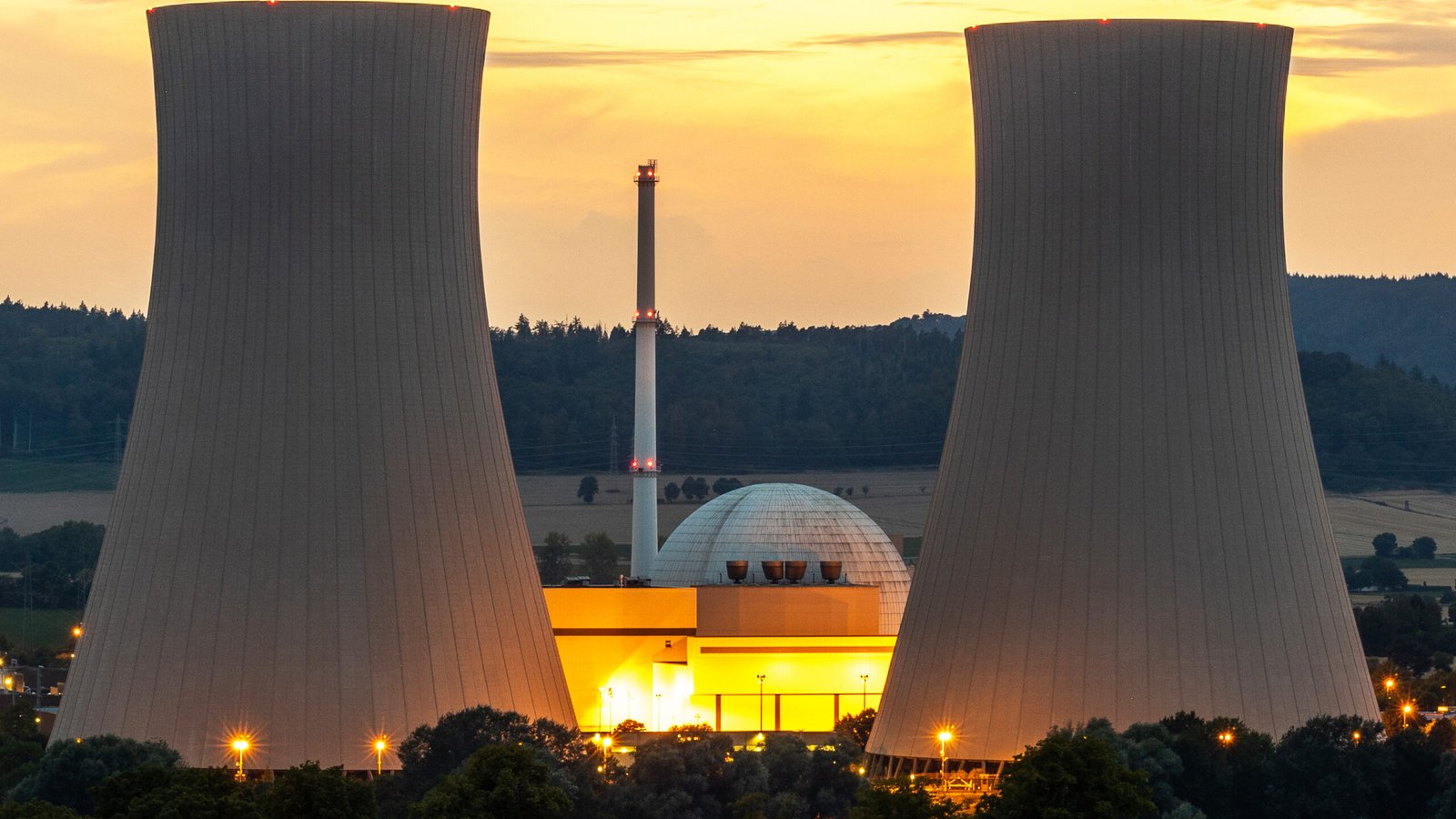
The DOE spokesperson said its radiation standards “are aligned with Gold Standard Science… with a focus on protecting people and the environment while avoiding unnecessary bureaucracy.”
The department has already decided to abandon the long-standing radiation protection principle known as “ALARA”—the “As Low As Reasonably Achievable” standard—which directs anyone dealing with radioactive materials to minimize exposure.
It often pushes exposure well below legal thresholds. Many experts agreed that the ALARA principle was sometimes applied too strictly, but the move to entirely throw it out was opposed by many prominent radiation health experts.
Whether the agencies will actually change the legal thresholds for radiation exposure is an open question, said sources familiar with the deliberations.
Internal DOE documents arguing for changing dose rules cite a report produced at the Idaho National Laboratory, which was compiled with the help of the AI assistant Claude. “It’s really strange,” said Kathryn Higley, president of the National Council on Radiation Protection and Measurements, a congressionally chartered group studying radiation safety. “They fundamentally mistake the science.”
John Wagner, the head of the Idaho National Laboratory and the report’s lead author, acknowledged to ProPublica that the science over changing radiation exposure rules is hotly contested. “We recognize that respected experts interpret aspects of this literature differently,” he wrote. His analysis was not meant to be the final word, he said, but was “intended to inform debate.”
The impact of radiation levels at very low doses is hard to measure, so the US has historically struck a cautious note. Raising dose limits could put the US out of step with international standards.
For his part, Cohen has told the nuclear industry that he sees his job as making sure the government “is no longer a barrier” to them.
In June, he shot down the notion of companies putting money into a fund for workplace accidents. “Put yourself in the shoes of one of these startups,” he said. “They’re raising hundreds of millions of dollars to do this. And then they would have to go to their VCs and their board and say, listen, guys, we actually need a few hundred million dollars more to put into a trust fund?”
He also suggested that regulators should not fret about preparing for so-called 100-year events—disasters that have roughly a 1 percent chance of taking place but can be catastrophic for nuclear facilities.
“When SpaceX started building rockets, they sort of expected the first ones to blow up,” he said.
This story originally appeared on ProPublica.
ProPublica is a Pulitzer Prize-winning investigative newsroom. Read the original story here. Sign up for The Big Story newsletter to receive stories like this one in your inbox.
Pratheek Rebala and Kirsten Berg contributed research.