dailynewsnblog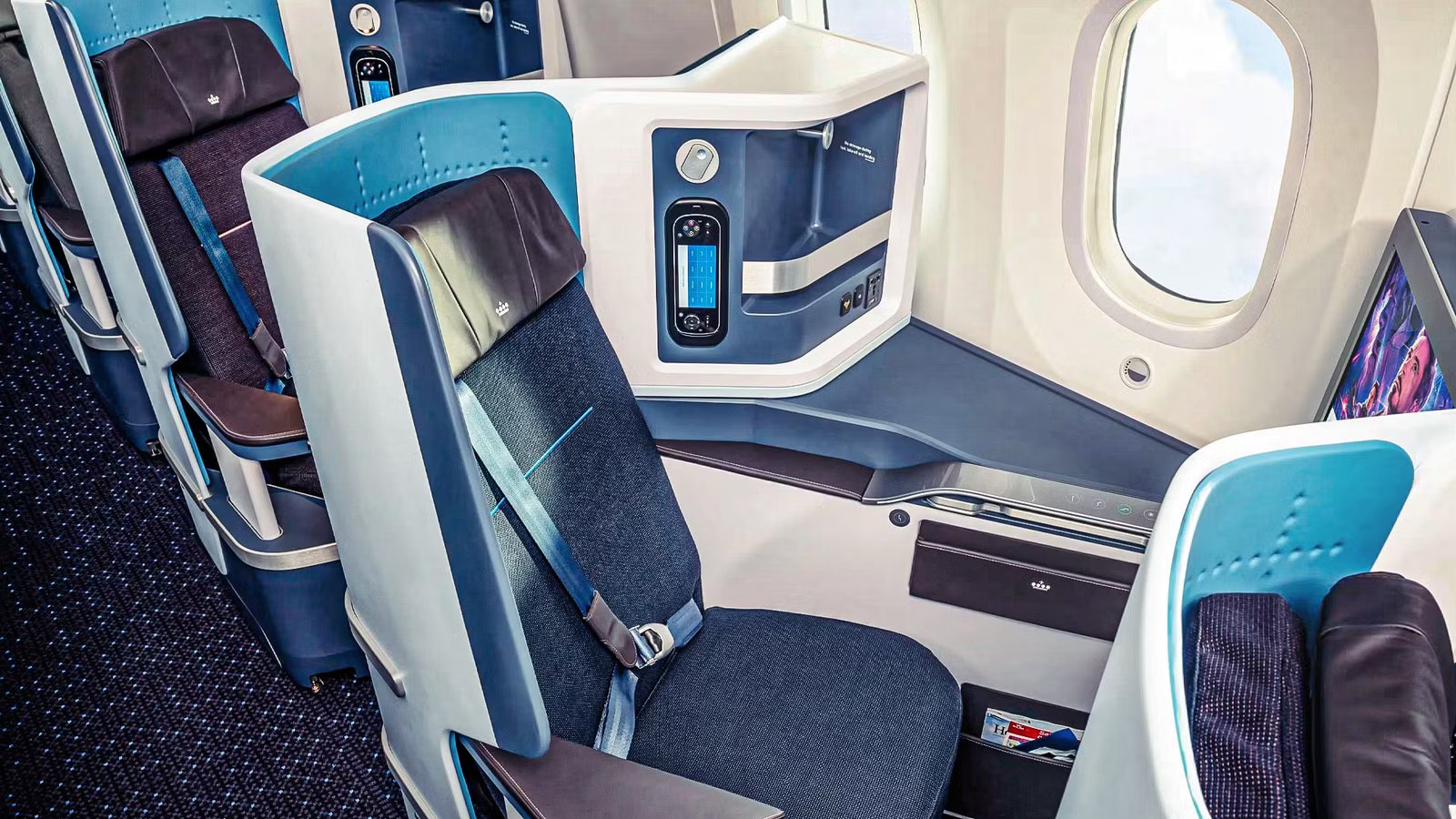
For many travelers, the idea of upgrading to business class at the airport sounds like a last-minute travel hack. A passenger books an economy ticket, waits until check-in, and then secures a luxurious seat for far less than the original price. The question naturally follows: does upgrading to business class at check-in actually cost more, or can it be a cheaper way to experience premium travel ? It is a common question among frequent flyers and casual travelers alike, particularly as airlines increasingly promote paid upgrades during online check-in or at the airport.
The answer is more nuanced than many travelers expect. Airlines use dynamic pricing systems, availability rules, and customer loyalty strategies that can dramatically influence upgrade costs. Sometimes the price offered at check-in is lower than buying a business class ticket outright. In other cases, it can be surprisingly expensive. This article explores how airline upgrade pricing works, what factors influence the cost at check-in, what airlines and experts say about the process, and how those prices compare with other upgrade options. By the end, travelers will have a clearer understanding of whether waiting until the airport truly saves money.
Is Upgrading To Business Class At Check-In Usually Cheaper?

Upgrading to business class at check-in can sometimes be cheaper than buying the ticket upfront, but it does not consistently guarantee a lower price. Airlines frequently offer discounted upgrades shortly before departure in order to fill empty premium seats. These offers may appear during online check-in, at airport kiosks, or directly at the check-in counter. When Premium Cabins still have available seats, airlines may reduce upgrade prices to generate additional revenue from passengers who originally booked economy.
Airlines operate on sophisticated revenue management systems designed to maximize income on each flight. If business class seats remain unsold as departure approaches, offering discounted upgrades becomes a logical strategy. A seat that would otherwise remain empty can still generate extra income, even at a reduced price. Some travelers report upgrades for a few hundred dollars on long-haul flights that originally cost thousands when booked as a full-business class ticket.
That said, discounted upgrades are not guaranteed. Airlines sometimes maintain relatively high upgrade prices even close to departure, particularly when demand is strong. Routes popular with business travelers or flights scheduled during peak travel periods often sell out premium cabins long before check-in. In those situations, upgrade offers may be expensive or unavailable altogether. According to travel industry guidance discussed by travel sources such as The Points Guy, pricing varies widely depending on airline strategy and seat availability.
What Factors Influence The Cost Of A Check-In Upgrade?

Several factors determine whether an upgrade offered at check-in will be inexpensive or costly. Airlines assess demand, booking trends, passenger loyalty status, and route popularity before presenting upgrade prices. These variables can change rapidly, which explains why two travelers on the same flight may receive different offers.
One major factor is seat availability in the business class cabin. When many seats remain unsold, airlines often reduce upgrade prices to fill them before departure. Another important element is route demand. Flights between major business centers tend to sell more premium tickets, leaving fewer upgrade opportunities. The timing of the upgrade also matters. Prices may fluctuate between online check-in, airport check-in counters, and boarding gates. Additionally, frequent flyer status sometimes influences upgrade offers, as airlines prioritize loyal customers with exclusive deals or points-based upgrades.
Real-world traveler experiences highlight these differences. Discussions among passengers show a wide range of upgrade offers, sometimes varying dramatically from flight to flight. In one example shared in a travel discussion on Reddit, a passenger flying  American Airlines encountered a business class upgrade offer significantly higher than expected, illustrating how dynamic pricing can lead to unpredictable results. Meanwhile, other travelers occasionally report upgrade deals that feel like exceptional bargains when flights depart with spare premium seats. An upgrade could also be the best chance to try the most comfortable business class seats on the A380, or on the A350-1000.

How Much Does It Cost To Upgrade To Premium Economy At Check-In?
Is waiting until the last minute the best strategy for your wallet?
What Do Airlines And Travel Experts Say About Last-Minute Upgrades?

Airlines and travel experts generally agree that upgrade pricing is highly dynamic. Carriers rarely publish fixed upgrade rates for airport purchases because the price depends on the specific flight. Travel insurance provider Battleface notes that last-minute upgrades sometimes appear at attractive prices when airlines attempt to monetize unsold premium seats rather than letting them go unused.
Travel experts also emphasize that passengers should not rely solely on airport upgrades as a strategy. Travel specialists frequently advise that while discounted offers exist, availability remains uncertain. A traveler who hopes to upgrade at check-in may find that the business class sold out days earlier, leaving no opportunity to upgrade at any price. For that reason, some experts recommend monitoring upgrade offers during the entire booking lifecycle rather than waiting until the airport.
The broader implication is that airlines treat premium seats as flexible inventory. If a flight appears likely to depart with empty business class seats, the system may gradually reduce the upgrade price as departure approaches. However, when demand remains high, those seats retain premium pricing. Travelers who want certainty generally book business class from the beginning, while passengers comfortable with uncertainty sometimes gamble on last-minute offers.
How Does Upgrading At Check-In Compare With Other Upgrade Options?

Upgrading at check-in represents only one of several ways travelers can move from economy to business class, and it is often just the final opportunity in a sequence of upgrade offers that airlines provide throughout the booking journey. Many airlines present upgrade opportunities earlier in the travel process, sometimes beginning shortly after a ticket is purchased.
These offers may appear through promotional emails, notifications within airline mobile apps, or structured bidding systems that allow passengers to submit upgrade offers. By comparing these options across the timeline of a trip, travelers can better understand whether waiting until check-in truly provides better value or whether earlier offers might actually be more advantageous.
Upgrades purchased shortly after booking can sometimes provide excellent value because airlines know the traveler has already committed to the flight. Some carriers also run upgrade bidding programs, in which passengers submit offers, and the airline accepts bids above a certain threshold. Loyalty program upgrades using miles or status benefits offer another pathway into premium cabins. Each approach has advantages. Early upgrades provide certainty, while bidding or check-in upgrades may deliver lower prices but involve uncertainty.
|
Upgrade Timing |
How It Works |
Typical Price Range |
|
During booking |
The passenger selects a business class seat immediately. |
Highest cost |
|
After booking (online) |
Paid upgrade offers sent via email or airline app |
Moderate |
|
Online check-in |
Discounted upgrades sometimes appear |
Moderate to low |
|
Airport check-in |
Last-minute offers if seats remain |
Low to moderate |
|
Gate upgrade |
Final attempt to fill empty seats |
Often lowest but rare |
In practice, travelers often monitor upgrade options across multiple stages. An offer received through an airline app a few days before departure might already be competitive, making it unnecessary to wait until the airport. Conversely, when a flight appears lightly booked, some passengers prefer to wait and see whether a last-minute deal emerges. Both approaches have merit, depending on flexibility and risk tolerance.

Here’s How Much More Spacious Premium Economy Is Compared To Economy Class
Premium Economy delivers 5–8 more inches of legroom, wider seats, and deeper recline—offering a calmer, more comfortable upgrade from standard Economy
Are Check-In Upgrades Always Worth It?

While last-minute upgrades can offer excellent value, they are not always the best deal for every traveler. The biggest issue is that the offer presented at check-in may look more attractive than the full business class fare, even though the actual value depends heavily on the flight itself. A short domestic flight with a standard recliner seat may not deliver the same experience as a long-haul route with lie-flat seating, yet upgrade prices can still be substantial.
Another important detail is that not all upgrades include the full set of business class benefits. Some airlines sell what are effectively seat-only upgrades, meaning passengers receive the premium cabin seat but not necessarily the entire bundle of services that normally comes with a business class ticket. Lounge access, additional baggage allowance, and mileage earning rates may vary depending on airline policy. Travelers considering a last-minute upgrade should review the details carefully before accepting the offer.
Frequent flyer status can also influence upgrade availability. Many airlines prioritize elite members when offering complimentary or points-based upgrades before check-in opens. By the time standard passengers arrive at the airport, the number of available business class seats may already be limited. For travelers who strongly prefer flying in a premium cabin, relying entirely on a last-minute upgrade therefore involves a degree of uncertainty.
What’s The Overall Takeaway?

Upgrading to business class at check-in does not automatically cost more than upgrading earlier in the booking process. In fact, when airlines still have unsold premium seats close to departure, they often present discounted upgrade offers during online or airport check-in. These deals can allow travelers to experience business class for a fraction of the original ticket price.
However, the availability and cost of these upgrades depend on several factors, including demand for the route, the number of remaining seats, and the airline’s revenue strategy. On flights with strong demand for premium cabins, upgrades may remain expensive or disappear entirely. For this reason, travelers who hope to secure a deal should monitor upgrade offers throughout the booking process rather than waiting exclusively until they arrive at the airport. Ultimately, upgrading at check-in works best as an opportunistic strategy rather than a guaranteed travel hack. Passengers willing to take the risk may occasionally find excellent last-minute offers, particularly on lightly booked flights. But for those who want certainty, booking a business class from the beginning or securing an upgrade earlier in the process remains the most reliable approach.