dailynewsnblog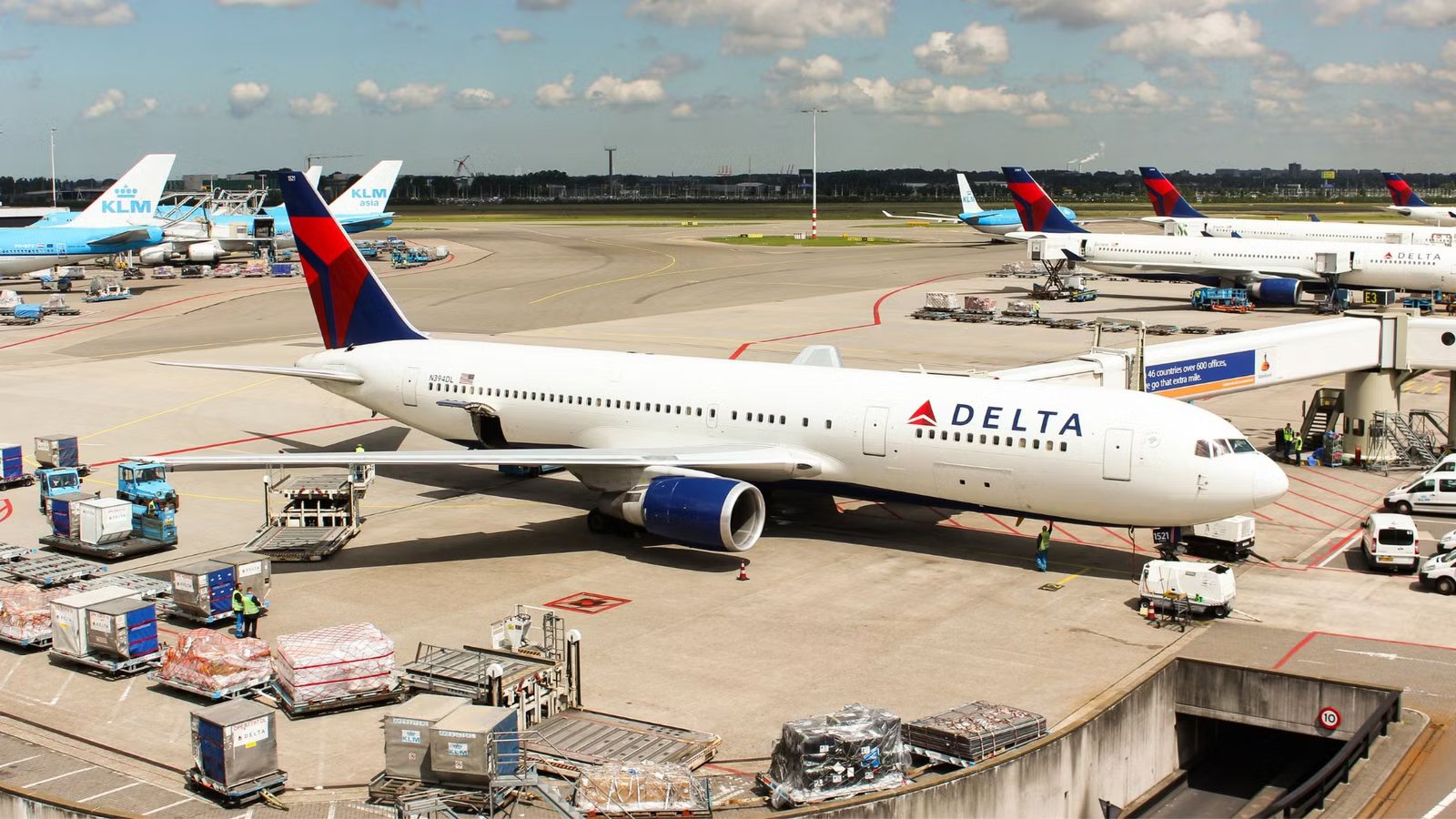
United States rapper Chika has accused  Delta Air Lines of damaging her high-end luggage during a recent flight, sparking a viral online backlash, reports the New York Post. The artist said she discovered multiple suitcases were cracked upon arrival, with the total value estimated at around $5,000 (around €4345). She shared images and criticism on social media on March 18, 2026, quickly drawing widespread attention. The incident has reignited debate around airline baggage handling standards and passenger compensation.
The luggage in question reportedly included premium suitcases from luxury brand Rimowa, known for durable but expensive designs. Chika’s complaint gained traction not only because of the damage, but also due to claims that this was not her first negative experience with the airline. High-profile incidents like this often amplify ongoing concerns among travelers about how checked baggage is treated. The case offers insight into both airline liability limits and the risks of transporting valuable items.
US Rapper Chika Calls Out Delta After Costly Luggage Damage

Chika said the suitcases, which she had bought fairly recently, were returned with visible cracks after being checked on a Delta flight. She shared images online showing structural damage across several pieces, pointing to possible mishandling during transit. Industry data shows most baggage damage occurs during loading and unloading rather than in-flight. The luggage was reportedly in good condition beforehand and not overpacked, making the extent of the damage more unusual. Some reports suggest the exact models may now be discontinued, complicating replacement options.
The artist further suggested this was not a one-off situation, claiming she had experienced similar damage to luggage on a previous journey with the same airline. This has intensified scrutiny, especially as the US Department of Transportation regularly records thousands of mishandled baggage reports each month across major carriers. In many cases, compensation is capped, typically around $3,800 (€3300) for domestic US flights, unless a higher value is declared in advance. It highlights the financial risk passengers face when checking in expensive items without additional coverage or insurance. The US Department of Transportation states:
“Airlines are responsible for repairing or reimbursing a passenger for damaged baggage and/or its contents when the damage occurs while the bag is under the airline’s control during transportation.”
Baggage Mishandling Remains A Persistent Airline Challenge

Baggage mishandling remains a persistent issue in global aviation, particularly during peak travel periods when ground operations are under pressure. While outright loss is relatively rare, physical damage can still occur due to automated systems and manual transfers between aircraft. High-value items are especially vulnerable if not properly declared or protected. Cases involving public figures tend to draw more attention, but similar complaints are common among everyday travelers.
Under international aviation agreements like the Montreal Convention, airlines are subject to compensation limits for lost or damaged baggage. These limits often fall below the value of luxury goods, unless passengers pay for excess valuation coverage. As a result, disputes frequently arise when expensive items are involved. Airlines typically require immediate reporting at the airport and supporting documentation before processing claims.
Delta operates one of the largest baggage networks in the world, handling millions of bags annually across its global routes. Despite improvements in tracking technology, including barcode and RFID systems, physical handling remains a key vulnerability. Industry data shows that even a small error rate can translate into thousands of affected passengers. This makes clear communication of policies and claims processes essential.

Where Exactly Does Your Checked Bag Go After Check-In?
Just waved goodbye to your checked bag? Here’s what happens next.

Social Media continues to play a major role in how airline service issues are escalated and resolved. Viral posts can increase pressure on carriers to respond promptly and transparently. In some cases, companies have issued compensation or apologies following widespread online attention. Chika’s posts fit into a broader trend of passengers using public platforms to seek accountability.
Airlines have invested heavily in baggage system upgrades over the past decade, aiming to reduce mishandling rates and improve tracking visibility. Technologies such as real-time bag tracking through mobile apps are becoming more common. However, preventing physical damage remains more complex, especially during tight aircraft turnaround schedules. Continued operational improvements will be necessary to reduce incidents like this.
Ultimately, the situation underscores the importance of understanding airline policies before travel. Passengers carrying valuable belongings may benefit from insurance or cabin transport where possible. While most journeys proceed without issue, cases like this highlight the potential downsides.