dailynewsnblog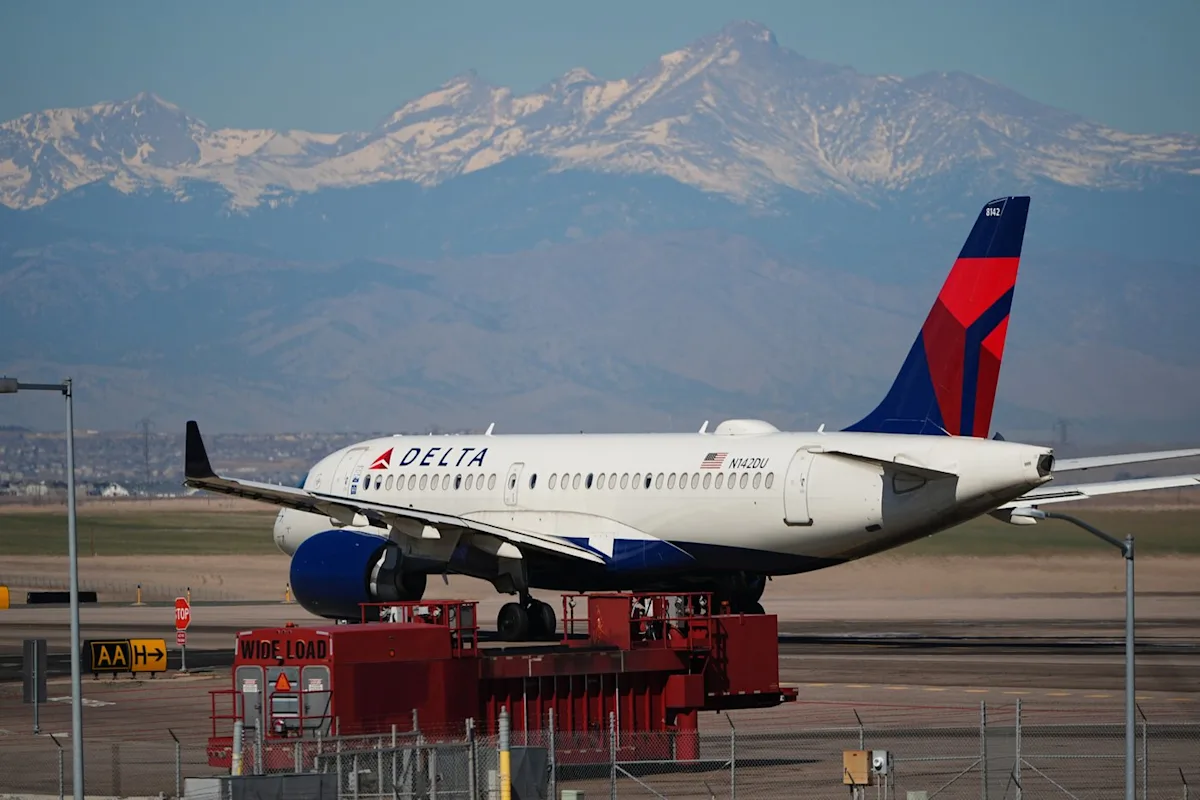
Delta Air Lines announced Tuesday it is raising checked baggage fees, part of a broader wave of U.S. carriers responding to higher jet fuel prices tied to the war in the Middle East.
Beginning Wednesday, most passengers on domestic and short-haul international routes will pay $10 more for their first and second checked bags, and $50 more to check a third. That brings the fees to $45 for the first bag, $55 for the second and $200 for the third, according to Delta.
“These updates are part of Delta’s ongoing review of pricing across its business and reflect the impact of evolving global conditions and industry dynamics,” the carrier said in a statement.
The change marks Delta’s first increase in checked baggage fees on domestic routes in two years. Fees for long-haul international flights are not affected.
CEO Ed Bastian told investors last month that the jump in jet fuel prices had already added about $400 million to Delta’s operating expenses since the conflict began on Feb. 28. Executives at United Airlines and American Airlines reported similar increases.
The average price for a gallon of jet fuel in Chicago, Houston, Los Angeles and New York was $4.69 on Monday, up from $2.50 just before the war, according to Argus Media. The energy market intelligence company’s U.S. Jet Fuel Index tracks average prices across those major hubs.
Delta said complimentary bags will still be available to customers flying in premium cabins, active-duty military personnel, eligible co-branded credit card holders and members of certain loyalty tiers.
The carrier’s move follows similar announcements from United and JetBlue, both of which raised baggage fees last week while maintaining complimentary first checked bags for some customers.
Airlines around the world have been grappling with volatile oil markets as fighting near the Strait of Hormuz — where roughly a fifth of the world’s oil passes — disrupts global supplies. Because jet fuel is refined from crude oil, swings in energy prices quickly feed into a carrier’s costs. Fuel typically ranks as the second-largest expense after labor.
In addition to raising ticket prices, analysts say U.S. carriers are more likely to lean on ancillary fees to offset the higher expenses, while many non-U.S. carriers are responding by adding or increasing fuel surcharges.
Rio Yamat, The Associated Press