dailynewsnblog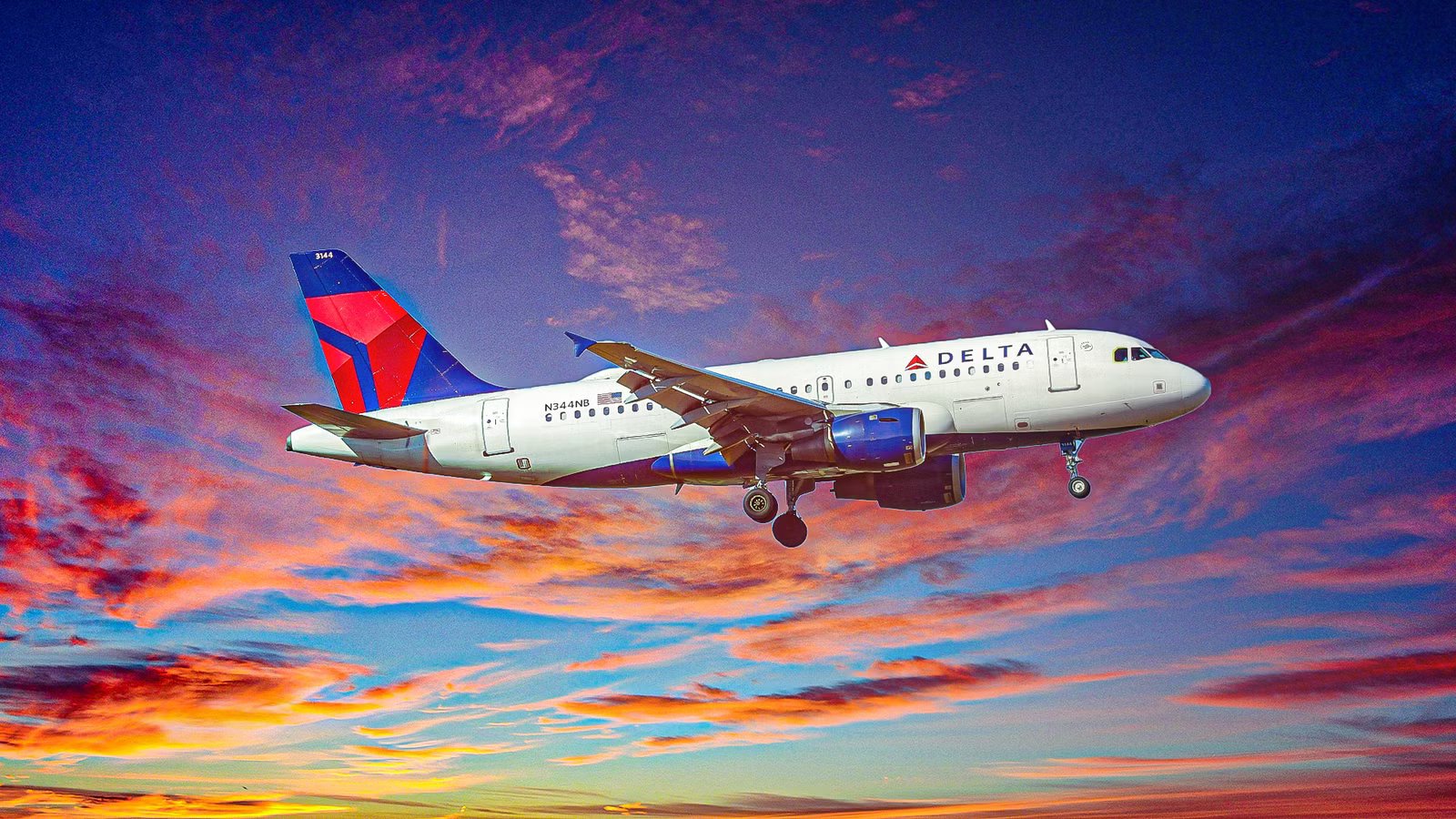
Poor weather conditions have thrown travel plans into chaos at one of America’s busiest airports this weekend, with travelers reporting being stuck on aircraft for up to 11 hours at  Hartsfield-Jackson Atlanta International Airport (ATL). Hailstorms, strong winds, and rain forced the evacuationof the air traffic control tower, according to Paddle Your Own Kanoo.
These delays are likely to cost  Delta Air Lines millions, as they face fines after travelers remained stranded on planes for most of the day on Friday. The disruption caused at the Georgia airport saw the Federal Aviation Administration (FAA) issue a ground stop after the storm, and extended Delta’s outage longer after its operations continued to be chaotic.
Atlanta Had Not Expected Such Wild Weather

According to the National Weather Service, the city of Atlanta was forecasted to receive showers and thunderstorms; however, this escalated to sever nickel sized hail, lighning and strong gusty winds. These conditions led to the evacuation of the airport’s control towers until the storm had safely passed.
This weather disruption inadvertently disrupted many Delta Air Lines flights with Flightaware suggesting more than 150 flights were cancelled, and 1,000 delayed. One case being reported was that passengers were stuck on a Delta aircraft for up to 11 hours, while other reports have claimed that they were stuck on board for three or four hours. This comes as Delta Air Lines staff scrambled to handle the situation, with a lack of ramp workers to move planes, not enough gate agents, and no tug operators to make room for new planes.
Due to these challenging conditions, this also led to travelers allegedly sleeping on the floor at Atlanta, one of the world’s busiest airports, according to Atlanta News First.
Delta Requested A Ground Delay Until 10:00 am

Delta requested the ground delay from the Federal Aviation Administration on Friday morning, which meant that any DL flight from ATL that had yet to depart was delayed for an average of one hour, with close to 200 flights cancelled. This left passengers’ travel plans in chaos and widespread frustration.
Others spent hours stuck on aircraft sitting on the tarmac, many arriving late at night, but becoming stranded on board until the early hours of the morning. One report identifies the plane arrived at 11:30 pm, but they were unable to deplane until 4:00 am the following morning.
With this chaos ensuring, passengers’ frustrations have met boiling point, with one traveler claiming that they were stuck at the gate for more than five hours before the flight was cancelled. Delta was quick to issue a statement, reiterating that they had not experienced such challenging weather conditions, and due to the hail, aircraft and ground equipment would need to be inspected:
“We apologize to our customers, as we know that a delay on the tarmac waiting for an arrival gate is frustrating,” the company said. “Delta people worked through severe weather challenges in ATL that drove gating constraints overnight. The safety of our customers and crew is our highest priority.”

Equipment Outage Ripple Effect At Hartsfield–Jackson Atlanta Airport Leads To Over 600 Delays
The delays have caused significant disruptions for passengers.
US Law Relating To Tarmac Delays

As analysed by PYOK, Delta now faces an uphill battle with fines looming in the millions of dollars. United States law requires that all airlines have a contingency plan when they face tarmac delays. This should include the opportunity for passengers to disembark if the delay has surpassed a certain timeframe.
If a domestic flight is involved, the passengers should be permitted to disembark after three hours or more, and international flights are set at four hours. There is an exception to this rule, which is if it would jeopardize the safety or security of passengers and crew.
Delta, one of the United States largest carriers, is a  SkyTeam member and calls Atlanta home. It operates around 5,400 flights daily across its network, serving up to 325 destinations across 52 countries. It is the second-oldest airline in the United States, and employs more than 100,000 team members.