dailynewsnblog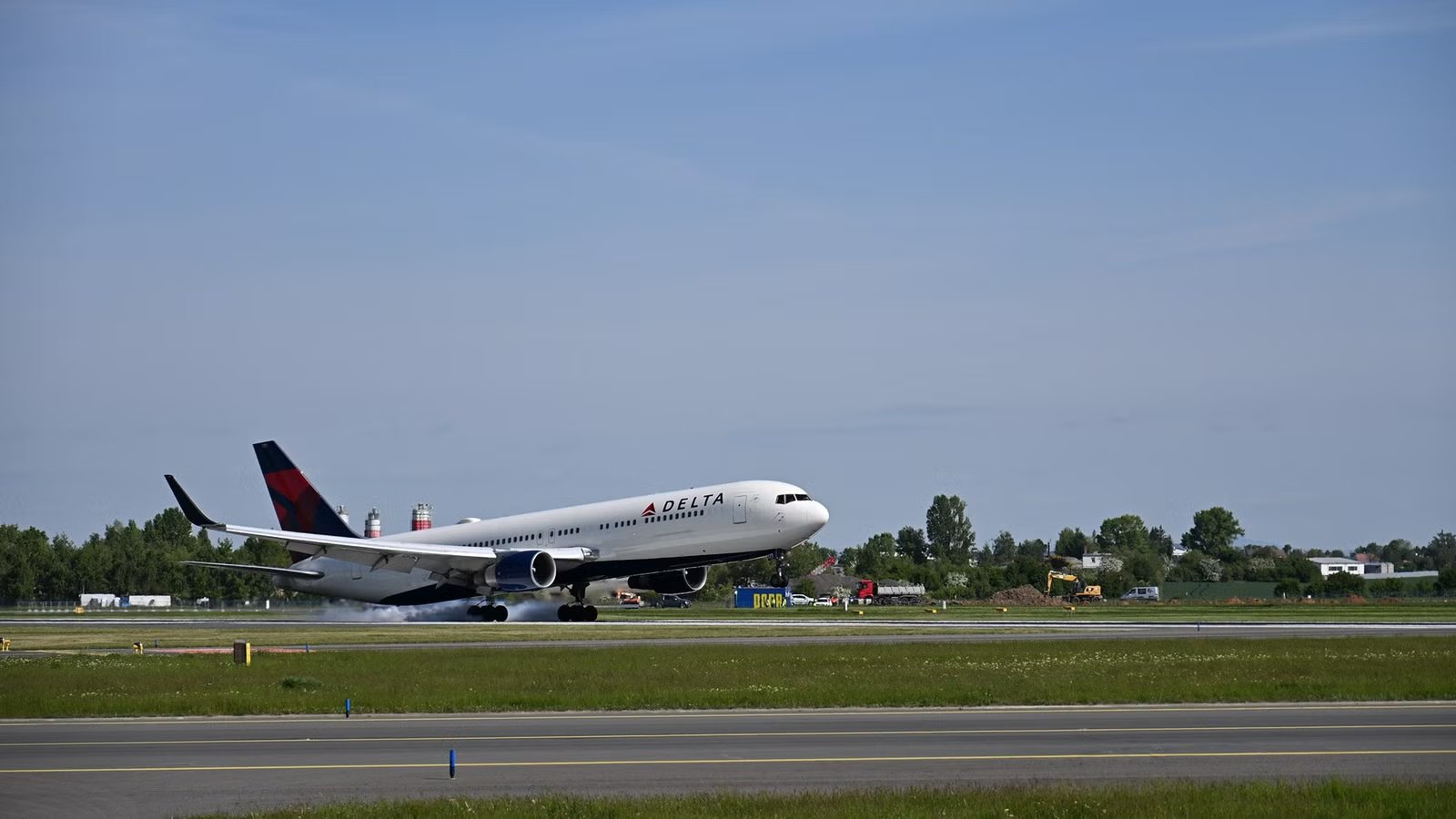
 Delta Air Lines has bid adieu (goodbye) to its oldest widebody Boeing 767-300ER aircraft. N171DN flew its final flight on Friday, April 10, from Atlanta to Birmingham, where it will be destined for the scrap heap. This widebody has accumulated more than 150,000 flight hours, and according to one viewer on Facebook, it had just enough for its ferry flight to the scrapper.
N171DN joined the Delta fleet back in June 1990 and has been a loyal servant for the  SkyTeam carrier ever since. It has predominantly worked on long-haul services in its younger years; more recently has been an integral part of the airline’s transcontinental and domestic or short-haul network. Its final revenue flight was from
  San Francisco International Airport (SFO) to
  Hartsfield-Jackson Atlanta International Airport (ATL) on April 9.
N171DN: A Loyal Servant For Delta Air Lines

This incredible milestone for the aircraft to have amassed such a long-standing tenure with Delta has led to the aircraft’s final flight to be scrapped on Friday. The aircraft has been suggested to have run out of hours, with only enough for the final ferry flight. For an aircraft to have lasted this long is a true testament to the commitment of the Delta maintenance teams and  Boeing.
N171DN took its first test flight at Boeing back on April 22, 1990, and was delivered to Delta later that year on June 9. It had flown consistently for the carrier under the same registration since delivery, with a brief stint in storage during the depths of the COVID-19 Pandemic, where the plane was parked between January 2020 and April 2021.
The aircraft has had a consistent following in its final years, with many capturing photos and videos and sharing them on social media. As of March 31, 2025, ch-aviation reports that the airframe had surpassed more than 147,000 flight hours and, within its final year of service, passed the 150,000 mark.
Aircraft History For N171DN

Current data from ch-aviation identifies that Delta has a total of 37 767-300 in its fleet; however, many of these are gradually being replaced with the more modern and fuel-efficient Airbus A350 and A330neo. For N171DN, its configuration to carry up to 175 passengers in economy class, and 36 in Domestic First has supported the airline’s utilization of this airplane for domestic and short-haul international services.
In the final weeks of operation, N171DN has flown transcontinental services between Atlanta, Phoenix, New York, and San Francisco. The final revenue flight as per Flighradar24, DL715, departed from San Francisco at 2:44 pm on April 9 and arrived in Atlanta at 9:47 pm later that evening, marking the end of an era for the airline’s longest-serving aircraft. Further aircraft characteristics detailed below:
|
Aircraft Registration |
N171DN |
|---|---|
|
Serial Number (MSN) |
24759 |
|
First Flight Date |
April 22, 1990 |
|
Plane Age |
36 years |
|
Hex Code |
A11D3C |
|
Configuration |
36 First Class / 175 Economy Class |
|
Type |
Boeing 767-332ER |
Having come incredibly close to the 36-year-old mark, this plane will retire just weeks before its first flight date, and will now be retired in Birmingham and destined for scrap, with the city serving as a commercial aircraft and dismantling operation near Birmingham-Shuttlesworth International Airport (BHM).

Why Delta Air Lines Is Retiring Its Boeing 767-300ERs
Delta will retire its aging Boeing 767-300ERs by 2030, replacing them with fuel-efficient A350s and A330neos while keeping the 767-400ER flying.
How N171DN And Other Aircraft Are Used For Scrap

Retired aircraft are often sent to the scrap heap once they are past their life cycle. The process of dismantling and using aircraft for parts is a meticulous process, where disassembly and part-out are used for 90% of the plane’s mass to be recycled and reused. Planes are often ferried to specialized locations, such as Birmingham, Alabama, where they are stripped of engines, avionics, and other components and then sold into the aviation aftermarket.
The highest value of part-out (harvesting) is for engines, which remain valuable and can be worth millions of dollars. These engines can be removed, overhauled, and then recertified and resold for use on other aircraft. For the likes of cockpit screens and navigation systems, they can be reused and repaired.
Harvested parts must be inspected and repaired to become used serviceable material, and offer a cost-effective alternative for second-hand parts for airlines. Other parts, such as evacuation slides, landing gear, and other airframe components, can be refurbished and reused.